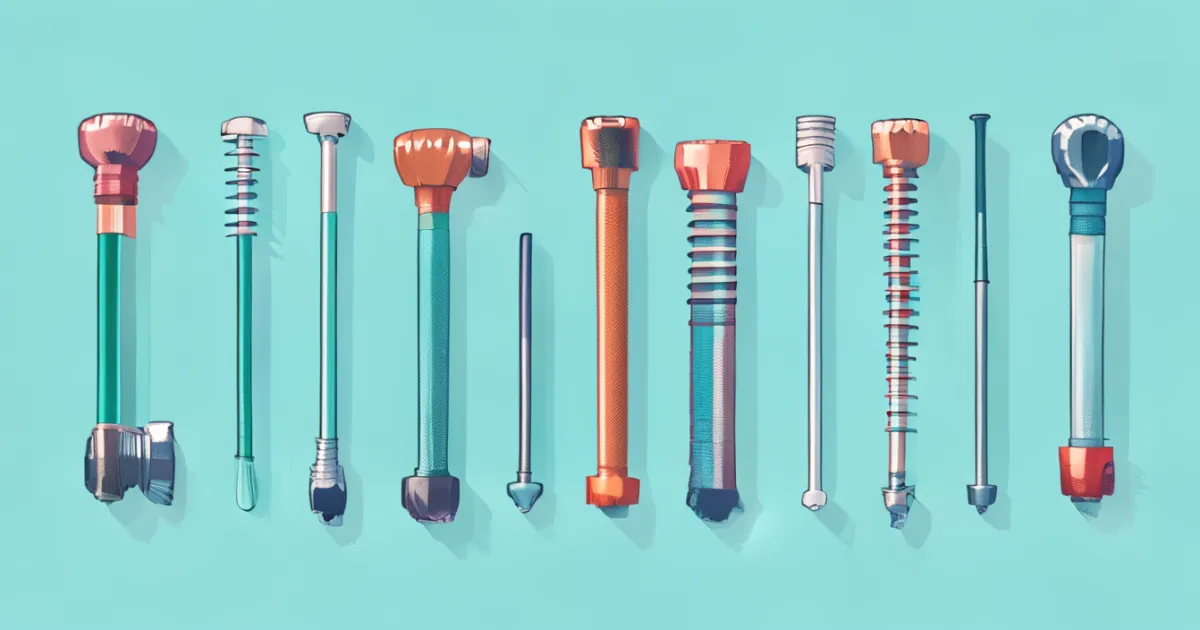
Comprehensive overview of self-tapping screw classifications including thread-forming, thread-cutting, and specialized variants for different materials and applications.
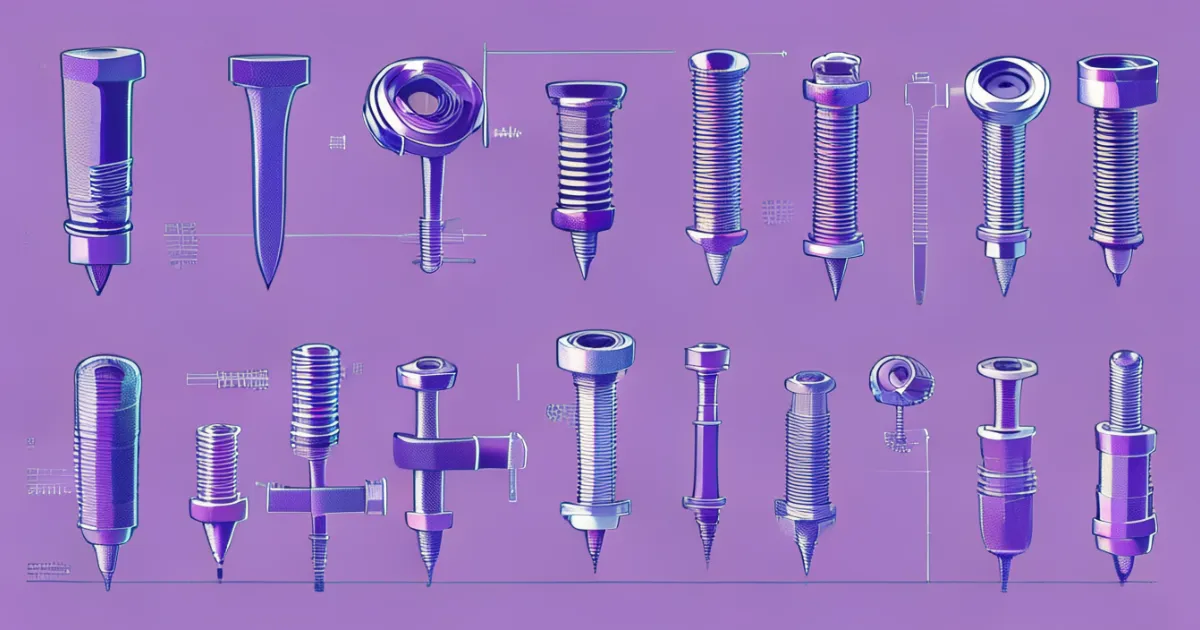
In-depth technical specifications and classifications for self-tapping screws
Mastering the technical knowledge behind self-tapping screws is essential for selecting the right fastener for any application. The world of self-tapping fasteners encompasses diverse screw types, each engineered for specific materials and performance requirements. From thread-forming designs that create their own path through ductile materials to thread-cutting variants that machine precise threads in tougher substrates, understanding these fundamental differences ensures optimal fastening results.
The complete landscape of self tapping screw types includes specialized variants for metal, plastic, and composite materials. Thread-forming screws excel in applications involving softer materials like plastics and thin metals, where they compress material to form strong, vibration-resistant connections. Conversely, thread-cutting screws feature sharpened flutes that remove material during installation, making them ideal for harder materials like thick metals, hardwoods, and reinforced plastics. This fundamental distinction between thread cutting vs thread forming approaches represents the cornerstone of fastener selection methodology.
When evaluating fastener capabilities, understanding self tapping screw strength rating systems becomes critical for engineering applications. These ratings encompass tensile strength, shear capacity, and pull-out resistance, all expressed through standardized classification systems. Material composition plays a vital role, with stainless steel variants offering corrosion resistance but different strength characteristics compared to hardened steel alternatives. The interplay between material properties, thread design, and heat treatment determines the ultimate performance envelope of each fastener type.
Navigating the complex world of fastener dimensions requires access to comprehensive sizing references. A proper self tapping screw sizes chart serves as an essential tool for engineers and fabricators, providing detailed measurements across diameter, length, and thread pitch parameters. These charts also correlate imperial and metric measurements, helping bridge the gap between different industrial standards. Understanding how major diameter, minor diameter, and thread pitch interact enables precise hole preparation and torque specification development.
The technical considerations extend beyond basic dimensions to include head styles, drive types, and coating options. Each configuration serves specific functional requirements, from hex washer heads providing high torque transmission to pan heads offering flush finishes. Coating technologies range from simple zinc plating for basic corrosion protection to advanced polymer coatings for harsh chemical environments. These technical details, while seemingly complex, form the foundation for reliable fastening solutions across countless industries and applications.
For professionals working with metal self tapping screws, understanding material compatibility and thread engagement characteristics becomes particularly important. The relationship between screw hardness and base material properties determines whether thread-forming or thread-cutting designs will provide superior performance. This technical knowledge ensures long-lasting connections while preventing material damage or fastener failure.
As fastening technology continues evolving, staying informed about emerging standards and innovative designs helps maintain competitive advantage in manufacturing and construction applications. The technical knowledge surrounding self-tapping screws represents a continuously advancing field, with new materials and thread geometries expanding application possibilities across virtually every industry.
Comprehensive overview of self-tapping screw classifications including thread-forming, thread-cutting, and specialized variants for different materials and applications.
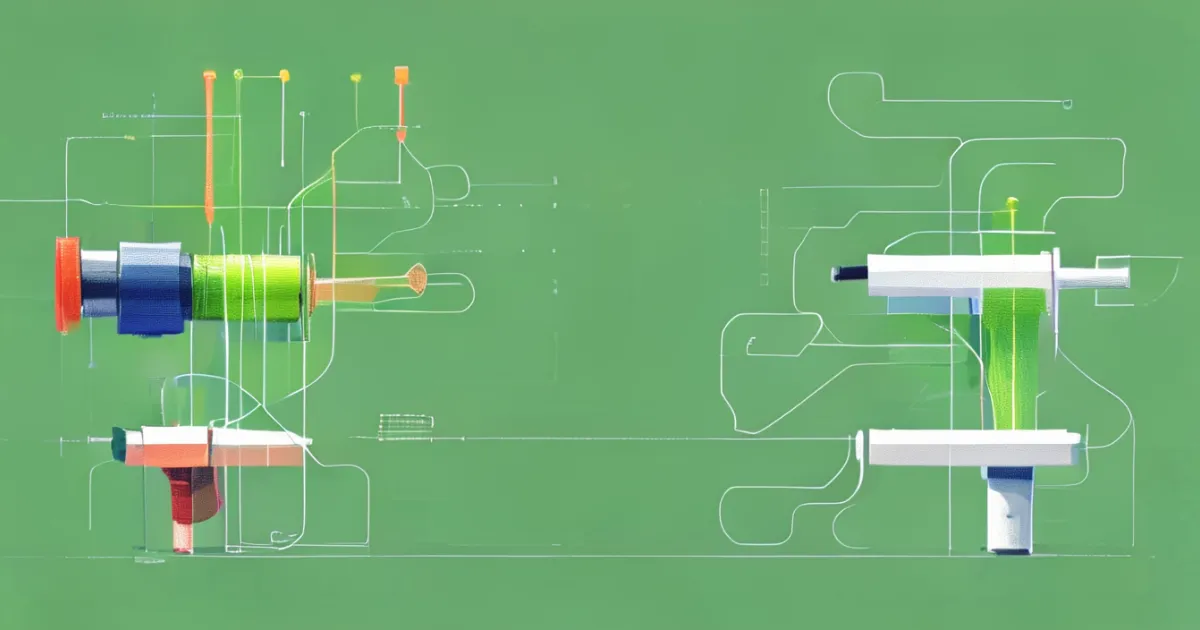
Detailed comparison of thread-cutting and thread-forming self-tapping screws, including applications, materials, and performance characteristics.
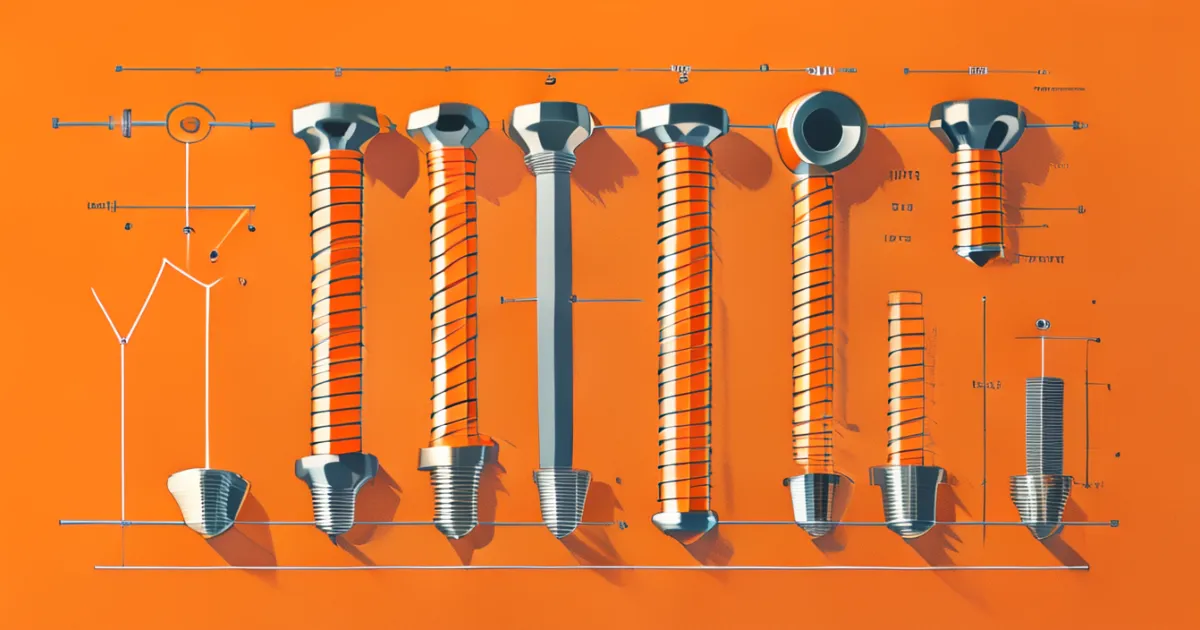
Comprehensive sizing guide for self-tapping screws including diameter, length, and thread pitch measurements with industry standard comparisons.

Technical guide to self-tapping screw strength classifications, load capacity ratings, and material property considerations for engineering applications.