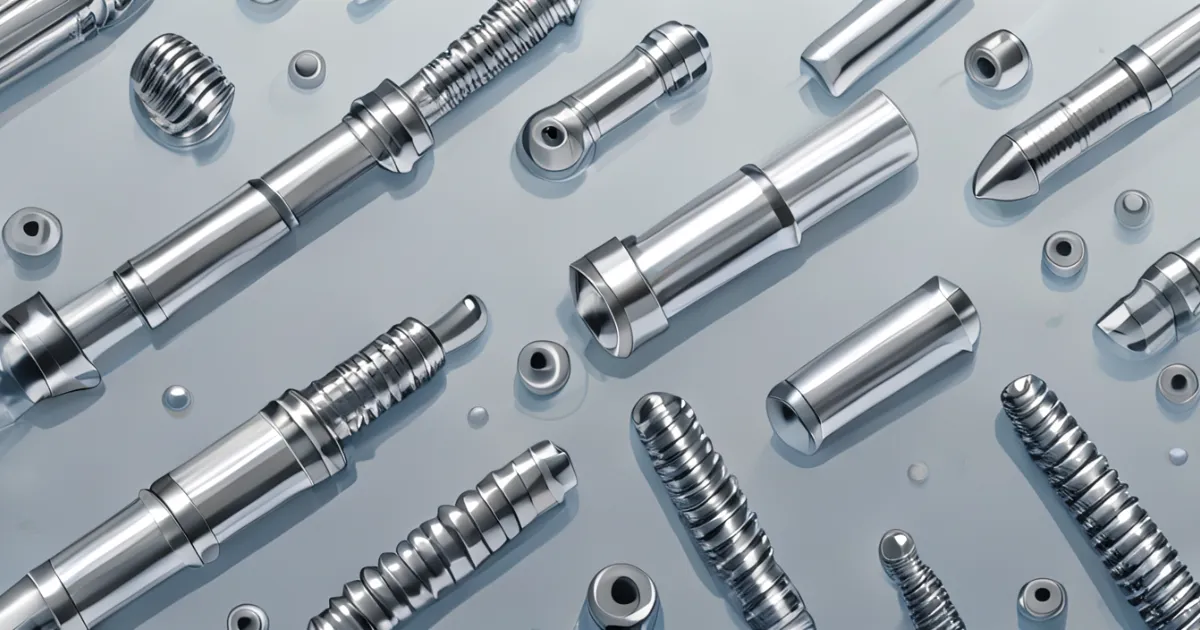
Specialized guide for self-tapping screws in metal applications, including steel, aluminum, and alloy materials with coating recommendations.
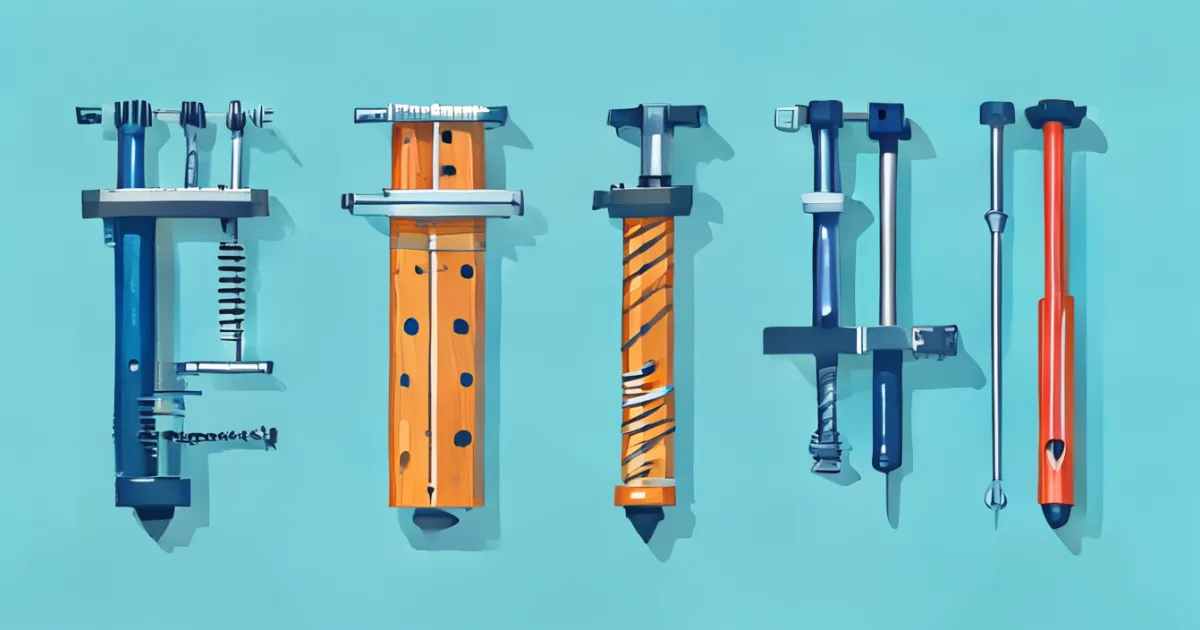
Specialized self-tapping screws for different materials and industrial applications
Selecting the perfect self-tapping screw requires deep understanding of material compatibility and application-specific requirements. Each substrate material presents unique challenges that demand specialized fastener designs, thread configurations, and installation techniques. The science of material-appropriate fastening combines metallurgical knowledge with mechanical engineering principles to create reliable connections across diverse industrial applications.
When working with metallic substrates, metal self tapping screws must account for material hardness, thickness, and corrosion potential. Steel-to-steel applications typically require hardened fasteners with sharp cutting edges to machine through the workpiece material effectively. Aluminum applications, conversely, benefit from thread-forming designs that prevent work hardening and material galling. The selection process also considers environmental factors, with coastal applications requiring enhanced corrosion protection through specialized coatings or material choices like stainless steel variants.
The unique properties of polymeric materials necessitate specialized plastic self tapping screws that account for material elasticity and stress distribution. Unlike metals, plastics exhibit creep behavior under sustained loads, requiring fastener designs that maintain clamping force over time. Thread geometry becomes particularly critical, with wider thread pitches and specialized profiles preventing stress concentration and material cracking. The relationship between screw insertion speed, torque application, and material temperature significantly affects final joint integrity in plastic applications.
Head configuration choices significantly impact both installation efficiency and final joint performance. The hex washer head self tapping screw represents an optimal solution for high-torque applications requiring secure fastener engagement. This design combines the high torque transmission capabilities of hexagonal drive geometry with the load distribution benefits of integrated washers. The large bearing surface prevents material damage while ensuring consistent clamp force transmission. This head style proves particularly valuable in structural applications, automotive assemblies, and heavy equipment manufacturing where reliable fastener engagement proves critical.
Material-specific considerations extend beyond basic fastener selection to include installation parameters and performance expectations. Metals typically allow higher torque values and faster installation speeds compared to plastics, which require careful torque management to prevent material damage. Temperature fluctuations affect different materials variably, with thermal expansion coefficients influencing preload retention over time. Understanding these material-specific behaviors enables engineers to design joints that maintain integrity throughout their service life.
The evolution of material science has expanded fastening possibilities across increasingly diverse applications. Advanced composites, engineered polymers, and high-strength alloys each present unique fastening challenges that drive innovation in screw design and thread geometry. Manufacturers continuously develop specialized fastener variants optimized for these emerging materials, incorporating features like reduced thread angles, specialized coatings, and unique drive systems.
For applications involving dissimilar materials, additional considerations come into play. Galvanic corrosion between metal fasteners and certain substrates requires careful material selection or protective coating applications. Thermal expansion differentials between joined materials can create stress concentrations that lead to joint failure over time. These challenges highlight the importance of comprehensive material compatibility analysis during the fastener selection process.
Professional installers must also consider access constraints and installation environment when selecting fasteners. Confined spaces may require specialized drive systems or reduced head profiles, while outdoor applications demand enhanced environmental protection. Each application scenario presents unique optimization challenges that require balancing performance requirements with practical installation considerations.
The integration of material science with fastening technology continues advancing the boundaries of what's possible in mechanical joining applications. As new materials emerge and manufacturing processes evolve, the importance of proper material-specific fastener selection becomes increasingly critical for ensuring long-term reliability and performance.
Specialized guide for self-tapping screws in metal applications, including steel, aluminum, and alloy materials with coating recommendations.

Essential guide for using self-tapping screws in plastic materials, including thread design considerations and material compatibility.
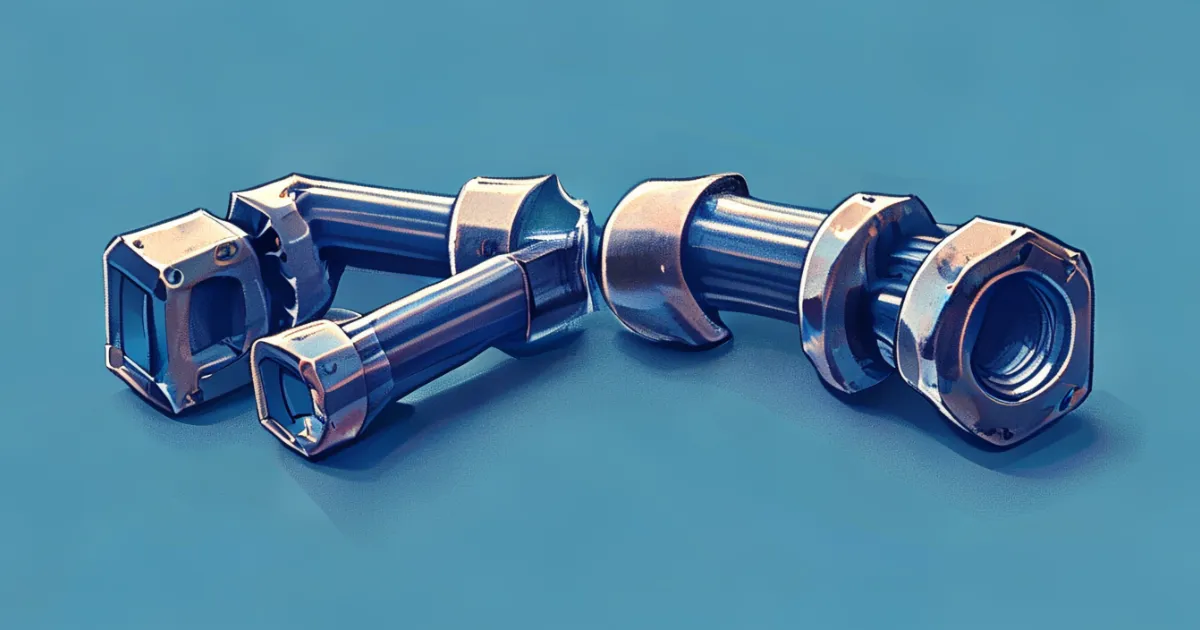
Technical overview of hex washer head self-tapping screws, including torque specifications, head dimensions, and industrial applications.