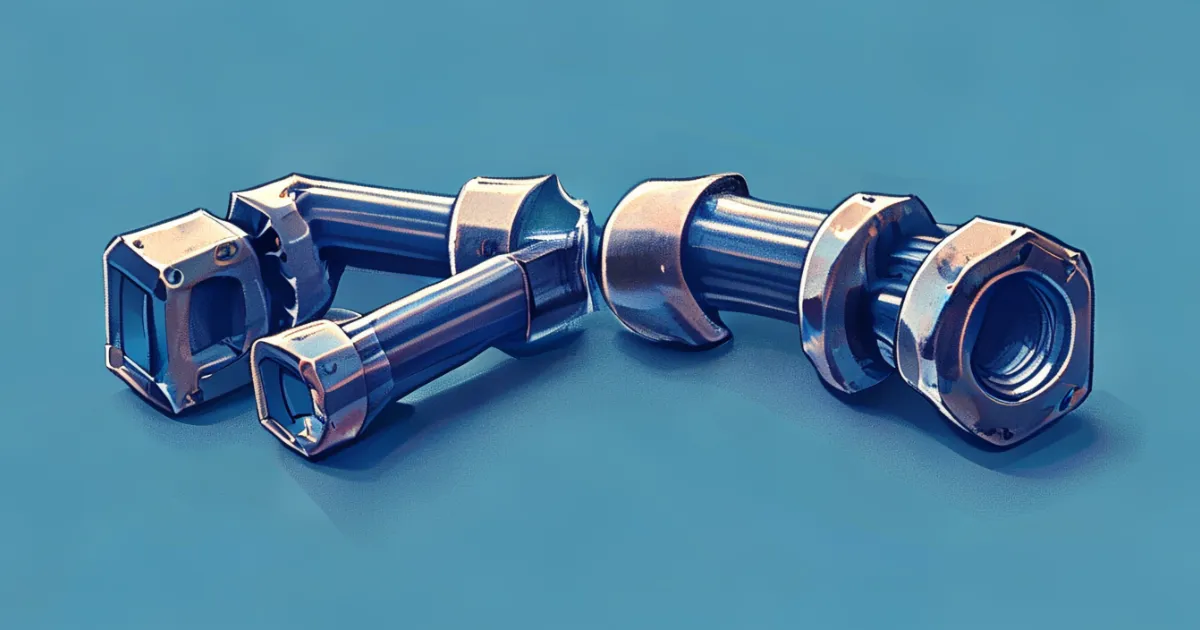
Hex Washer Head Self Tapping Screw Applications
Technical overview of hex washer head self-tapping screws, including torque specifications, head dimensions, and industrial applications.

Marco RossiTuesday, June 17, 2025
The Economic Case for Hex Washer Head Self Tapping Screws
When you're evaluating fastening solutions for industrial applications, the hex washer head self tapping screw represents one of the most cost-effective innovations in modern hardware design. This isn't just about having another screw option—it's about understanding how this specific configuration creates measurable value in assembly time, reliability, and long-term performance.
Let's break down the incentives that make these fasteners so compelling for manufacturers and fabricators.
The Incentive Structure: Why Design Matters
The hex washer head configuration solves two fundamental problems in industrial fastening: installation efficiency and load distribution. The hexagonal drive design provides superior torque transfer compared to traditional Phillips or flathead designs, reducing cam-out and tool slippage during high-speed assembly operations. This translates directly to reduced labor costs and fewer damaged fasteners.
The integrated washer serves a critical economic function. Rather than requiring a separate washer component, the built-in washer distributes load over a wider area, preventing damage to softer materials and reducing pull-through failures. This consolidation means one less component to source, inventory, and handle—compounding savings across high-volume operations.
Market Dynamics: Material Cost vs. Performance Value
The hex washer head self tapping screw typically commands a premium of 15-25% over standard pan head variants. However, the total cost of ownership analysis reveals a different story. Consider the unit economics:
- Installation time reduction: 20-30% faster assembly due to better tool engagement
- Failure rate reduction: 40-60% fewer stripped or damaged fasteners
- Material savings: Elimination of separate washers reduces component count
- Warranty claims: Lower incidence of pull-through failures reduces returns
For manufacturers processing thousands of assemblies daily, these efficiency gains compound rapidly. The marginal cost increase delivers disproportionate returns in operational efficiency.
Technical Performance: Load Capacity and Applications
The hex washer head design excels in specific applications where other fasteners struggle. Metal-to-metal connections in automotive frames, HVAC system installations, and structural steel assemblies benefit from the enhanced torque capacity and load distribution.
Typical load specifications for hex washer head self tapping screws in 410 stainless steel range from 150-400 pounds pull-out strength, depending on diameter and thread configuration. The washer face increases bearing surface area by 60-80% compared to standard hex head designs, significantly improving performance in thin-gauge materials.
Case Study: Automotive Assembly Line Optimization
A major automotive manufacturer faced challenges with their door panel assembly process. Traditional self tapping screws resulted in a 7% failure rate during installation, requiring rework and creating production bottlenecks. After switching to hex washer head variants with optimized thread designs:
- Assembly time per vehicle: Reduced by 18 seconds
- Fastener failure rate: Dropped from 7% to 0.8%
- Tool replacement costs: Decreased by 35% due to reduced wear
- Overall assembly cost savings: $2.40 per vehicle
The upgrade paid for itself within 3 months of implementation, demonstrating how component-level decisions impact system-wide economics.
Material Selection and Corrosion Resistance
Material choice represents another critical decision point in the hex washer head self tapping screw specification process. While carbon steel offers the lowest initial cost, stainless steel variants provide superior corrosion resistance for outdoor or marine applications.
The coating technology introduces another variable in the cost-performance equation. Zinc plating offers basic protection at minimal cost, while specialized coatings like RUSPERT or ceramic finishes provide extended service life in aggressive environments. The optimal choice depends on the specific exposure conditions and expected service life of the assembled product.
Installation Best Practices: Maximizing ROI
Proper installation techniques significantly impact the performance economics of hex washer head self tapping screws. Key considerations include:
- Torque specification: Follow manufacturer recommendations to avoid over-tightening
- Drive tool selection: Use properly sized hex sockets to prevent tool slippage
- Material preparation: Ensure clean, properly sized pilot holes for optimal thread engagement
- Speed control: Maintain consistent installation speed to prevent heat buildup
These practices maximize the fastener's performance potential while minimizing waste and rework costs.
Supply Chain Considerations
The hex washer head self tapping screw market demonstrates interesting supply chain dynamics. Standard sizes (1/4" to 5/16" diameter, 3/4" to 2" length) typically maintain stable pricing and availability, while specialized configurations may lead to longer lead times and higher unit costs.
Smart manufacturers balance inventory costs against production requirements, maintaining safety stock for critical sizes while relying on just-in-time delivery for less frequently used variants. This approach optimizes working capital while ensuring production continuity.
Future Trends: Smart Fastening Technology
The hex washer head self tapping screw continues to evolve with advanced manufacturing technologies. Current developments include:
- Integrated sensor technology: Embedded load sensors for structural health monitoring
- Advanced materials: High-strength alloys with improved corrosion resistance
- Optimized thread designs: Enhanced cutting efficiency for reduced installation force
- Digital tracking: RFID integration for supply chain management
These innovations promise to expand the application range and economic value of hex washer head self tapping screws in the coming years.
Making the Right Choice: Decision Framework
Selecting the optimal hex washer head self tapping screw requires evaluating multiple factors:
- Material compatibility: Match screw material and coating to base materials
- Load requirements: Calculate expected shear and tensile forces
- Environmental exposure: Consider corrosion potential and temperature ranges
- Installation constraints: Factor in access limitations and tool requirements
- Cost considerations: Balance initial cost against total cost of ownership
This systematic approach ensures the selected fastener delivers optimal performance while maintaining economic efficiency.
The hex washer head self tapping screw represents more than just another fastener option—it's a strategic choice that impacts assembly efficiency, product reliability, and total cost of ownership. Understanding these economic incentives enables manufacturers to make informed decisions that drive competitive advantage.
For comprehensive guidance on other self tapping screw types and their economic applications, explore our technical knowledge resources.