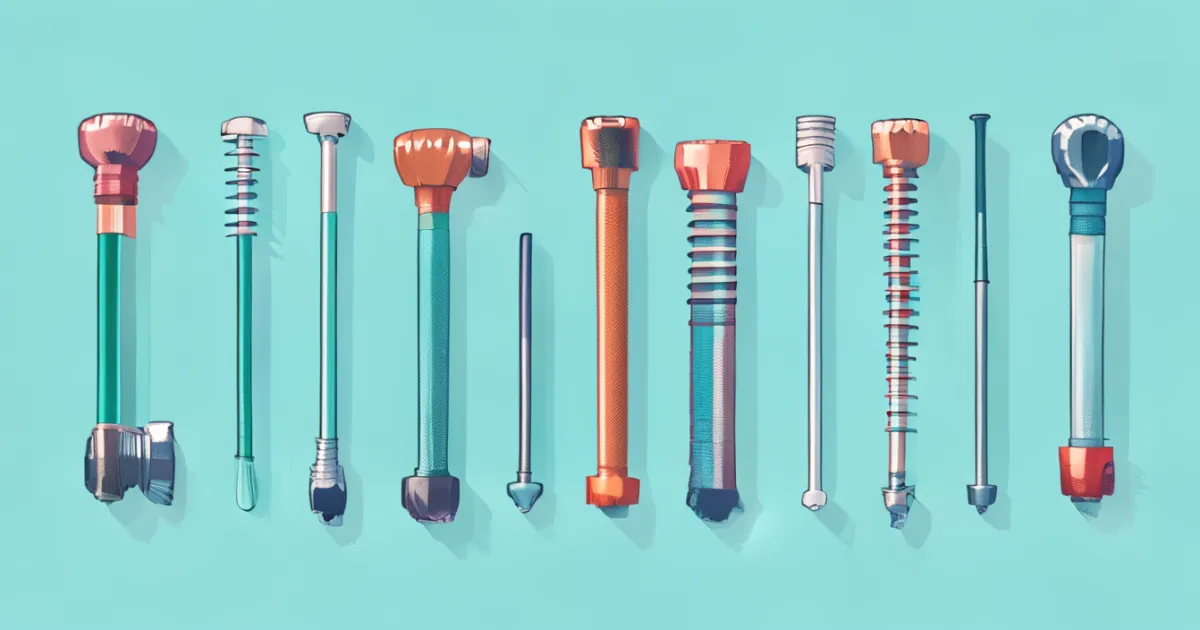
Complete Guide to Self Tapping Screw Types
Comprehensive overview of self-tapping screw classifications including thread-forming, thread-cutting, and specialized variants for different materials and applications.

Marco RossiTuesday, June 17, 2025
Understanding Self Tapping Screw Types: Market Dynamics and Material Selection
The self tapping screw types market represents a fascinating case study in engineering efficiency and material science optimization. When we analyze the competitive landscape of these fasteners, we're really examining how different thread configurations and head designs create distinct economic advantages in various applications. The fundamental incentive driving this market is simple: reduce installation time while maintaining structural integrity.
Thread Forming vs Thread Cutting: The Core Innovation Decision
Two primary categories dominate the self tapping screw types ecosystem, each solving different material challenges. Thread-forming screws, also known as rolling taps, work by displacing material rather than removing it. This approach creates stronger joints in ductile materials like plastics and soft metals because the material's grain structure flows around the thread, maintaining density. Think of it as cold forging the threads in place rather than cutting them.
The economic logic becomes clear when we consider installation costs. Thread-forming screws typically require 30-50% more driving torque but generate 40-60% stronger joints. For manufacturers, this trade-off makes perfect sense when product reliability outweighs assembly speed concerns.
Thread-cutting screws incorporate flutes or cutting edges that actively remove material during installation. This design excels in brittle materials or applications where material displacement would cause cracking or deformation. The cutting action reduces installation torque by 25-40%, which translates directly into faster assembly lines and lower labor costs—a critical factor in high-volume manufacturing.
Head Type Economics: Performance vs Accessibility Trade-Offs
The choice between various head types in self tapping screw types reflects pure economic reasoning. Hex washer heads provide maximum torque transmission, making them ideal for structural applications where fast installation matters more than aesthetics. The additional cost of the washer face gets justified through reduced installation time and better load distribution.
Pan head screws offer the middle ground between appearance and function. They're the compromise solution when manufacturers need reasonable torque capacity without sacrificing surface aesthetics. Flat heads disappear into countersunk holes, creating flush surfaces but at the cost of reduced head area and potential cam-out during installation.
The market has clearly segmented around these trade-offs. High-end automotive applications favor hex washer heads for their serviceability, while consumer electronics companies select pan heads for their balance of functionality and appearance.
Material Selection Incentives: Corrosion Resistance vs Strength
Stainless steel variants dominate outdoor and corrosive environments because the cost of failure far exceeds the material premium. When a fastener failure could cause property damage or safety hazards, the marginal increase in material cost becomes irrelevant. This explains why 410 stainless steel has become the default choice for self tapping screw types in marine and construction applications.
Zinc-plated carbon steel screws represent the rational choice for indoor applications where corrosion resistance isn't critical. The economic incentive here is straightforward: why pay for stainless steel when you can achieve the required structural performance at a fraction of the cost? These screws typically deliver 80% of the performance at 40% of the cost in protected environments.
Size Standardization: The Network Effect in Action
The consistency of sizing across self tapping screw types creates powerful network effects. Standard diameters (#8, #10, #12, #14) and thread pitches reduce inventory costs for both manufacturers and users. This standardization also enables tool compatibility—users can install different screw types with the same drivers, reducing the total cost of ownership for installation equipment.
Specialty sizes exist, but they command premium prices due to lower production volumes and the need for specialized tooling. The market has clearly signaled that standard sizes represent the equilibrium between application specificity and economic efficiency.
Application-Specific Evolution: Market Segmentation
Different self tapping screw types have evolved to serve specific market segments. Roofing screws incorporate rubber washers to address the waterproofing requirement unique to that application. Deck screws prioritize rust resistance and pull-out strength to handle outdoor exposure. The economics are clear: specialized screws cost more but solve specific problems that would otherwise require additional components or compromise performance.
Metal framing screws demonstrate another case study in market optimization. These self tapping screw types feature drill points and aggressive threads designed specifically for steel studs and metal framing. The investment in specialized tooling gets justified through reduced installation time in high-volume construction projects.
Bottom Line: Making the Right Selection
Choosing the right self tapping screw types comes down to a simple cost-benefit analysis. For structural applications where failure isn't an option, stainless steel thread-cutting screws with hex heads provide the best risk-adjusted return. For consumer products where aesthetics matter, pan head thread-forming screws in carbon steel balance appearance with performance.
The key is understanding that each screw type represents a market-tested solution to a specific set of constraints. Rather than optimizing for a single variable, successful specifiers consider the total cost of ownership, including installation time, maintenance requirements, and potential failure scenarios.
For those working with metal applications, understanding metal self tapping screws provides additional context for material-specific requirements. Similarly, knowing the fundamental differences in thread cutting vs thread forming helps clarify the material compatibility considerations that drive many specification decisions.
The market has already done the R&D on these fasteners—our job is simply to align the application requirements with the appropriate economic solution.