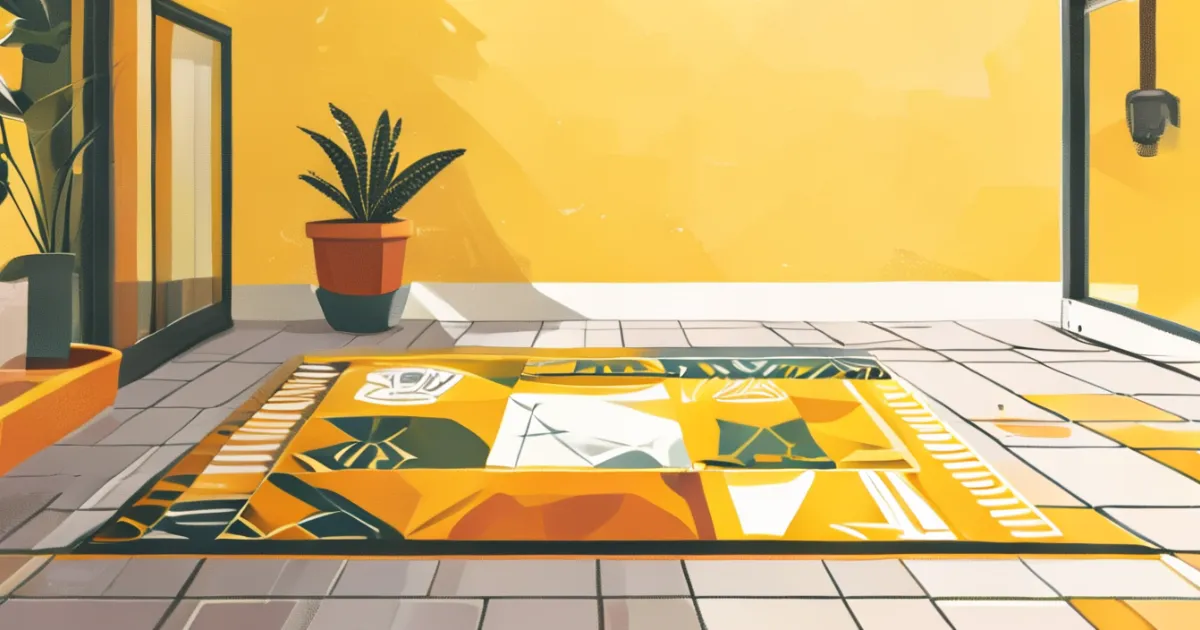
Transform your patio or deck with weather-resistant geometric outdoor rugs designed to withstand the elements while adding style.
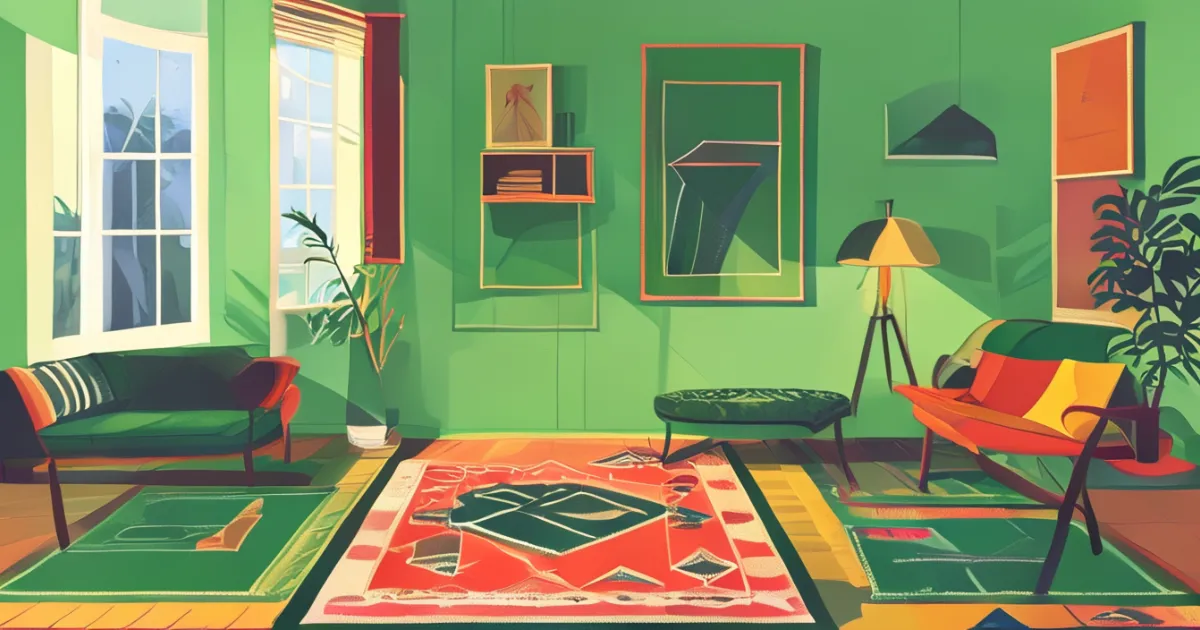
Find the perfect geometric rug for specific rooms and learn how to maximize your space with strategic rug placement.
Transforming your living spaces with geometric rugs requires thoughtful consideration of room dimensions, furniture layout, and functional needs. Each room presents unique opportunities for geometric patterns to enhance both aesthetics and practicality. Understanding how to select and position geometric rugs in different spaces will help you create cohesive, visually appealing environments that serve your lifestyle while expressing your design preferences.
Geometric runner rugs excel in narrow spaces like hallways, entryways, and corridors where standard-sized rugs would overwhelm proportions. These elongated geometric patterns guide the eye through transitional spaces while providing visual continuity between rooms. The linear nature of runner rugs allows patterns to create movement and direction, making them ideal for long corridors or entry foyers where you want to establish immediate impact.
When selecting geometric patterns for hallways, consider the visual rhythm you want to create. Repeating geometric designs can establish a sense of order and progression, while asymmetrically placed patterns add dynamic energy to otherwise utilitarian spaces. The durability requirements of high-traffic areas should influence material selection, with synthetic fibers offering superior resistance to wear and maintenance requirements.
Geometric bathroom rugs must balance aesthetic appeal with practical considerations unique to moisture-prone environments. Water-resistant materials and quick-drying properties become essential, as does the ability to maintain pattern clarity despite frequent exposure to humidity and potential spills. Geometric patterns in bathroom spaces can create visual interest without overwhelming typically smaller rooms, serving both decorative and functional purposes.
The right geometric bathroom rug can complement existing tile patterns, create definition between wet and dry zones, and provide safe footing with non-slip backing. Patterns should be carefully selected to harmonize with bathroom fixtures and finishes, whether you're working with contemporary minimalist designs or traditional tile work. Scale is particularly important in bathrooms, where oversized patterns may feel cramped while subtle geometric elements can enhance spatial perception.
Geometric outdoor rugs bring sophisticated design to patios, decks, and garden spaces while withstanding environmental challenges. Weather-resistant materials ensure patterns remain vibrant despite sun exposure, rain, and temperature fluctuations. These rugs create defined living areas in open spaces, helping establish outdoor rooms that feel as considered and comfortable as interior spaces.
Geometric patterns work exceptionally well in outdoor settings, where they can create striking contrasts with natural surroundings and architectural elements. Bold, contemporary designs can modernize traditional patio furniture, while subtle geometric patterns can complement natural materials like wood and stone. The durability requirements of outdoor rugs necessitate careful material selection, with synthetic fibers offering the best combination of weather resistance and pattern retention.
Each room presents unique opportunities for geometric rug integration based on usage patterns, lighting conditions, and existing decor. In bedrooms, geometric patterns can create tranquil retreats or energizing spaces depending on color selection and pattern scale. Living rooms benefit from larger geometric rugs that anchor furniture arrangements and define conversation areas, while dining rooms require patterns that complement table shapes and existing chair designs.
Home offices benefit from geometric patterns that stimulate creativity without causing distraction, while children's rooms can embrace playful, educational geometric designs that grow with developing minds. The versatility of geometric patterns makes them suitable for virtually any room, provided scale, color, and pattern complexity are carefully considered in relation to room size and intended use.
Successful geometric rug placement begins with measuring your space and understanding traffic patterns. In living rooms, aim for rug sizes that allow front legs of furniture to rest on the rug, creating cohesive seating arrangements. In bedrooms, consider runner rugs beside beds or area rugs that extend beyond the bed's perimeter for luxury and comfort.
Hallway runners should allow at least six inches of clearance on each side to prevent tripping hazards while maintaining visual balance. Bathroom rugs must fit comfortably around fixtures and provide adequate coverage in high-traffic areas without interfering with door operation or walkway clearance.
Discover more specific room-by-room guidance in our detailed geometric rug blog posts to create perfectly styled spaces throughout your home.
Transform your patio or deck with weather-resistant geometric outdoor rugs designed to withstand the elements while adding style.

Choose water-resistant geometric bathroom rugs that combine safety, style, and functionality for your bathroom decor needs.

Master the art of using geometric runner rugs in hallways, entryways, and narrow spaces to create visual flow and dimension.