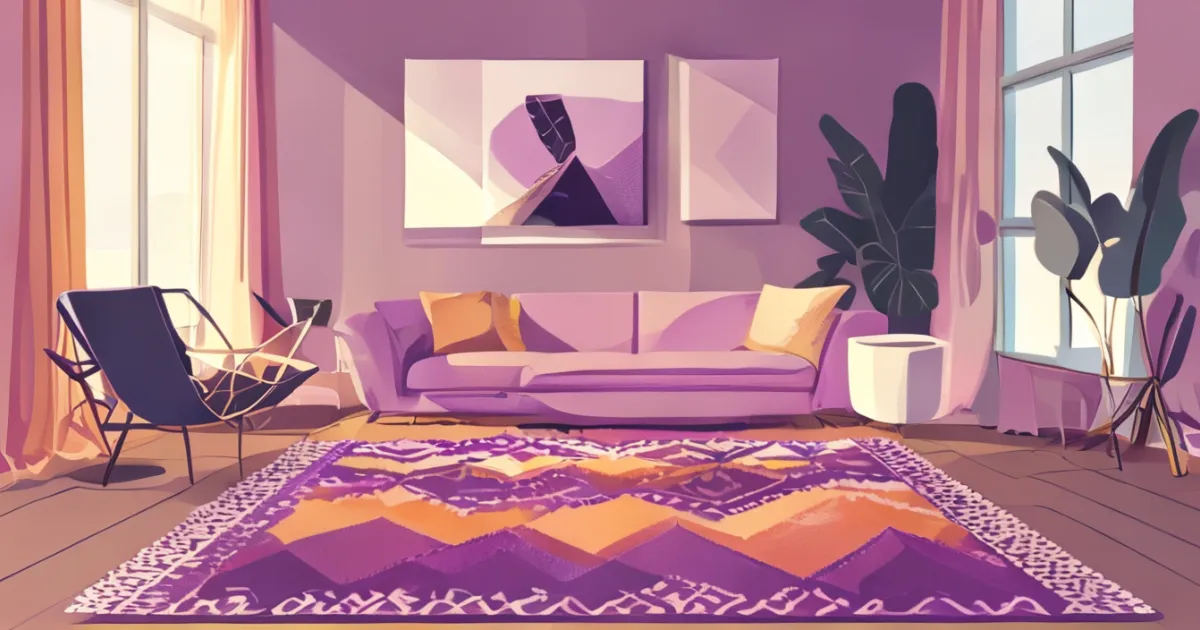
Learn how to choose and position large geometric rugs to anchor your room's design and create cohesive living spaces.

Navigate the geometric rug market with confidence using our shopping guides, size recommendations, and retailer comparisons.
Navigating the geometric rug market requires knowledge of sizing, quality indicators, and shopping strategies to ensure you find the perfect rug at the right price. Whether you're furnishing a first apartment or updating an established home, understanding how to evaluate geometric rugs will help you make informed decisions that balance style, quality, and budget considerations.
Affordable geometric rugs are more accessible than ever, with various options catering to different budget levels without compromising on visual appeal. Cheap geometric rugs can offer excellent value when you know what to look for in terms of construction quality and material selection. The key is understanding the trade-offs between different price points and identifying features that matter most for your specific needs.
Budget-conscious shoppers should focus on essential quality indicators rather than brand names. Dense construction, consistent pattern clarity, and durable backing are more important than designer labels when evaluating affordable options. Synthetic materials like polypropylene can offer excellent pattern definition and stain resistance at lower price points, making them ideal for high-traffic areas or rental properties.
Large geometric rug selection requires careful consideration of room dimensions and furniture arrangement to avoid overwhelming your space or appearing undersized. The general rule of thumb recommends leaving 18-24 inches of floor space between rug edges and walls in living rooms, while dining rooms require rugs that extend at least 24 inches beyond chairs when pulled away from the table.
Room size calculators and measurement guides can help determine ideal rug dimensions, but personal preference and furniture layout should also influence your decision. In open-concept spaces, geometric rugs can help define functional areas and create visual boundaries between different living zones. The pattern scale should complement the rug size—larger rugs can accommodate bold, complex patterns while smaller geometric rugs benefit from simpler designs to maintain visual clarity.
Geometric rugIKEA collections represent an excellent starting point for budget-conscious shoppers seeking Scandinavian-inspired designs with clean patterns and modern aesthetics. IKEA's geometric rug offerings typically feature minimalist patterns that work well in contemporary spaces, with prices that accommodate various budget levels. Their flat-weave constructions and synthetic materials offer durability and easy maintenance, though pattern longevity may vary with intensive use.
When shopping at major retailers, focus on return policies and customer reviews rather than marketing claims. High-quality geometric rugs should feature consistent pattern printing, secure edge binding, and non-slip backing. Color accuracy can vary between online images and actual products, so consider ordering samples when possible or purchasing from retailers with flexible return policies.
Understanding rug construction methods helps identify quality geometric rugs across different price ranges. Machine-made rugs typically offer precise pattern reproduction and consistent quality, making them ideal for geometric designs where clarity and symmetry are important. Hand-tufted rugs provide better durability and can feature more complex geometric patterns, though at higher price points.
Material selection significantly impacts both appearance and longevity. Wool offers natural pattern definition and resilience but requires professional cleaning. Cotton and jute provide excellent texture and eco-friendly credentials but may show wear faster in high-traffic areas. Synthetic materials like nylon and polyester offer superior stain resistance and color retention, making them practical for households with children or pets.
Strategic shopping can help you find quality geometric rugs at reduced prices. End-of-season sales and holiday promotions often feature significant discounts on previous collections. Outlet stores and online marketplaces may offer discontinued patterns at reduced prices while maintaining quality construction.
Consider purchasing during retailer-specific sales events, with many home goods stores offering annual rug sales with savings up to 50% on select items. Price matching policies can ensure you get the best deal when comparing identical products across retailers. Shipping costs should factor into your overall budget, with many retailers offering free shipping on orders over certain thresholds.
Investing in proper maintenance extends the life of your geometric rug regardless of purchase price. Regular vacuuming prevents dirt buildup that can damage fibers and dull patterns over time. Immediate spot treatment prevents stains from setting into the material, while professional cleaning every 12-18 months restores pattern clarity and removes embedded dirt.
Rug pads protect both your flooring investment and the rug itself, preventing slipping and reducing wear patterns. Proper rotation every six months ensures even wear, particularly important for geometric rugs with directional patterns. Understanding these maintenance requirements before purchase helps ensure your geometric rug maintains its beauty and functionality for years to come.
Explore our detailed geometric rug buying guides for comprehensive reviews and specific recommendations tailored to your needs and budget.
Learn how to choose and position large geometric rugs to anchor your room's design and create cohesive living spaces.

Discover budget-friendly geometric rugs that don't compromise on quality or style with our money-saving shopping guide.

Honest review of IKEA's geometric rug collection including quality, pricing, and styling tips for popular Scandinavian designs.