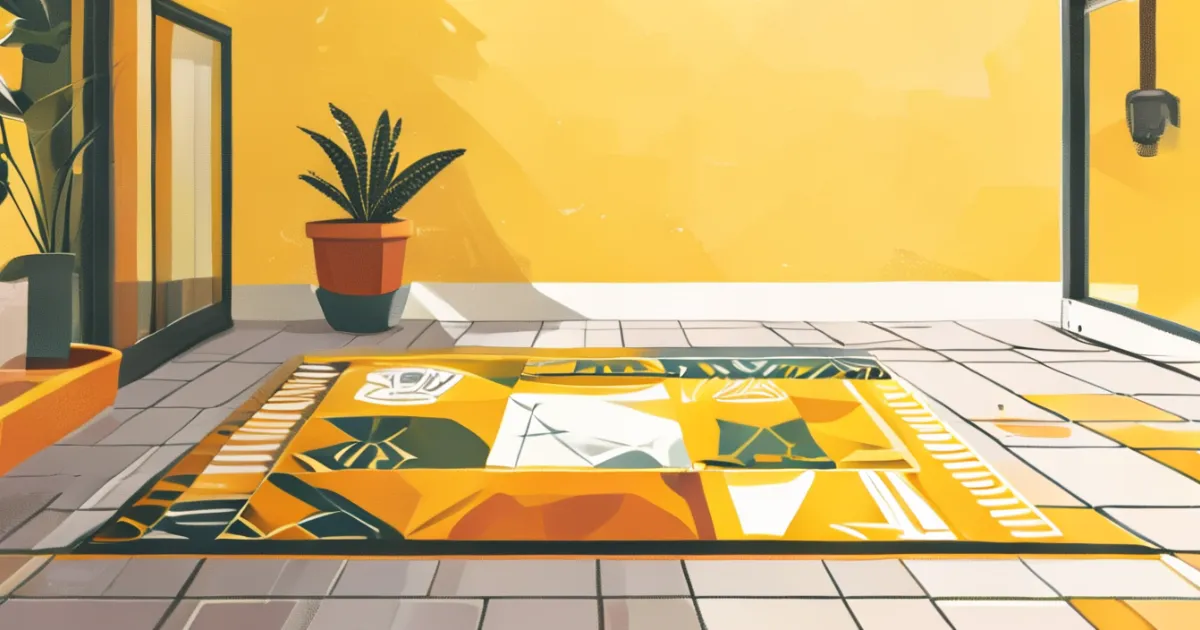
Geometric Outdoor Rug Essentials
Transform your patio or deck with weather-resistant geometric outdoor rugs designed to withstand the elements while adding style.

Isabel FerrerSaturday, August 23, 2025
Sustainable Style: Choosing Geometric Outdoor Rugs That Last
Your outdoor living space deserves the same thoughtful design consideration as your interior rooms. A geometric outdoor rug creates defined zones, adds visual interest, and brings interior comfort to your patio, deck, or balcony while withstanding the unique challenges of outdoor exposure.
Weather-Resistant Materials That Protect Our Planet
Polypropylene geometric rugs lead the market for durability and weather resistance, but quality varies significantly. Look for recycled polypropylene options that transform plastic waste into beautiful geometric patterns while reducing landfill contributions. These materials naturally resist moisture, fading, and mildew without requiring chemical treatments that harm soil and water systems.
Natural fiber alternatives like jute and sisal offer biodegradable geometric rug options that decompose naturally at end-of-life. These materials work best in covered outdoor areas where they receive protection from direct rainfall and intense sun exposure. The organic texture adds warmth to geometric patterns, creating beautiful contrast between rigid shapes and soft fibers.
Understanding UV Stability and Pattern Longevity
Sun exposure presents the greatest challenge to outdoor geometric patterns. Quality UV-stabilized fibers resist fading for 2-3 seasons of regular exposure, maintaining crisp geometric lines and vibrant color combinations. Check manufacturer specifications for UV rating—premium options guarantee minimal color shift even after hundreds of hours of direct sunlight.
Consider sun patterns in your specific outdoor space. Covered patios require less UV protection than fully exposed decks, allowing you to prioritize other features like softness or natural materials over maximum UV resistance. Morning sun exposure typically causes less fading than harsh afternoon rays, affecting your material choices accordingly.
Drainage and Airflow Fundamentals
Effective water management prevents mold, mildew, and premature material breakdown. Look for geometric outdoor rugs with breathable construction that allows air circulation between fibers. Flatweave designs drain more effectively than thick pile constructions, making them ideal for rainy climates or uncovered areas.
Elevated rug pads designed specifically for outdoor use create air space between rug and surface, promoting rapid drying after rainfall or cleaning. These pads prevent moisture trapping that can damage both rug and underlying surfaces—particularly important for wooden decks or composite materials that require breathability.
Pattern Selection for Outdoor Context
Large-scale geometric patterns make stronger statements in expansive outdoor spaces where viewing distances are greater. Bold triangles, hexagons, or abstract geometric shapes remain visually impactful even from across a patio or garden setting. These substantial designs anchor outdoor furniture arrangements and create intentional gathering zones.
Subtle geometric textures work beautifully in intimate outdoor spaces like small balconies or cozy nooks. Fine-lined patterns add sophistication without overwhelming limited areas, creating the illusion of more space through careful pattern placement and scale relationships.
Color Psychology for Outdoor Environments
Warm geometric tones in terracotta, amber, and ochre create inviting spaces that feel connected to natural surroundings. These earthy hues complement wooden furniture and lush plantings while maintaining visual warmth during evening gatherings under string lights or fire pits.
Cool geometric combinations using blues, grays, and greens establish serene outdoor retreats that evoke water and sky. These refreshing palettes work particularly well in hot climates where visual cooling helps create comfortable outdoor living spaces despite high temperatures.
Seasonal Care and Storage Practices
Regular maintenance extends geometric outdoor rug lifespan significantly. Monthly gentle cleaning with mild soap and water removes dirt buildup that can embed in fibers and abrade patterns over time. Allow rugs to dry completely before replacing them to prevent moisture-related damage.
Proper seasonal storage protects geometric patterns during harsh winter months. Clean rugs thoroughly before rolling them loosely with patterns facing outward to prevent creasing. Store in breathable containers in dry, temperature-controlled spaces—avoid plastic bags that trap moisture and encourage mildew growth.
Creating Zones and Flow Patterns
Use geometric outdoor rugs to define specific functional areas within larger spaces. A dining area rug anchors table and chairs while creating a clear boundary between eating and relaxation zones. Separate conversation areas with coordinating geometric patterns that maintain design cohesion while establishing distinct gathering spots.
Consider traffic flow when positioning geometric patterns. Diagonal geometric designs can guide movement through spaces and create dynamic pathways between areas. Ensure rugs extend far enough under furniture to create unified groupings while maintaining clear walking paths.
Environmental Impact Assessment
Choose manufacturers committed to sustainable production practices. Look for geometric outdoor rugs made with renewable energy, water conservation methods, and minimal chemical processing. Some companies offer take-back programs that recycle old outdoor rugs into new products, closing the material loop and reducing waste.
Consider the full lifecycle impact of your geometric outdoor rug choice. Natural materials offer biodegradable end-of-life solutions but may require more frequent replacement in harsh climates. Synthetic options last longer but contribute to plastic waste. Balance durability with environmental responsibility based on your specific situation and values.
Installation Checklist for Optimal Performance
Before placing your geometric outdoor rug, ensure proper surface preparation. Clean existing surfaces thoroughly to prevent dirt abrasion that can damage rug backs. For wooden decks, check for protruding nails or splinters that could puncture rug materials. On concrete surfaces, seal cracks and fill holes to create smooth rug foundations.
Use appropriate rug pads for your specific surface type—different materials work best on wood versus concrete versus stone. Test rug placement before committing to furniture arrangement to ensure geometric patterns align with your intended design vision and traffic patterns flow naturally through defined spaces.
Sustainable Replacement Options
When your geometric outdoor rug reaches end-of-life, research responsible disposal options. Some manufacturers partner with recycling facilities that transform old outdoor rugs into playground materials, landscape mulch, or new synthetic fibers. Natural fiber rugs can be composted in industrial facilities that handle thick textiles.
Consider donating gently used geometric outdoor rugs to community organizations, schools, or public gardens that may find extended life for functional patterns. This sustainable approach maximizes material use while providing comfort and design to spaces that might otherwise lack softening elements.
Your geometric outdoor rug choice reflects both your aesthetic preferences and environmental values. By selecting durable, sustainable options and maintaining them properly, you create beautiful outdoor living spaces that minimize environmental impact while maximizing comfort and style for years of enjoyment.