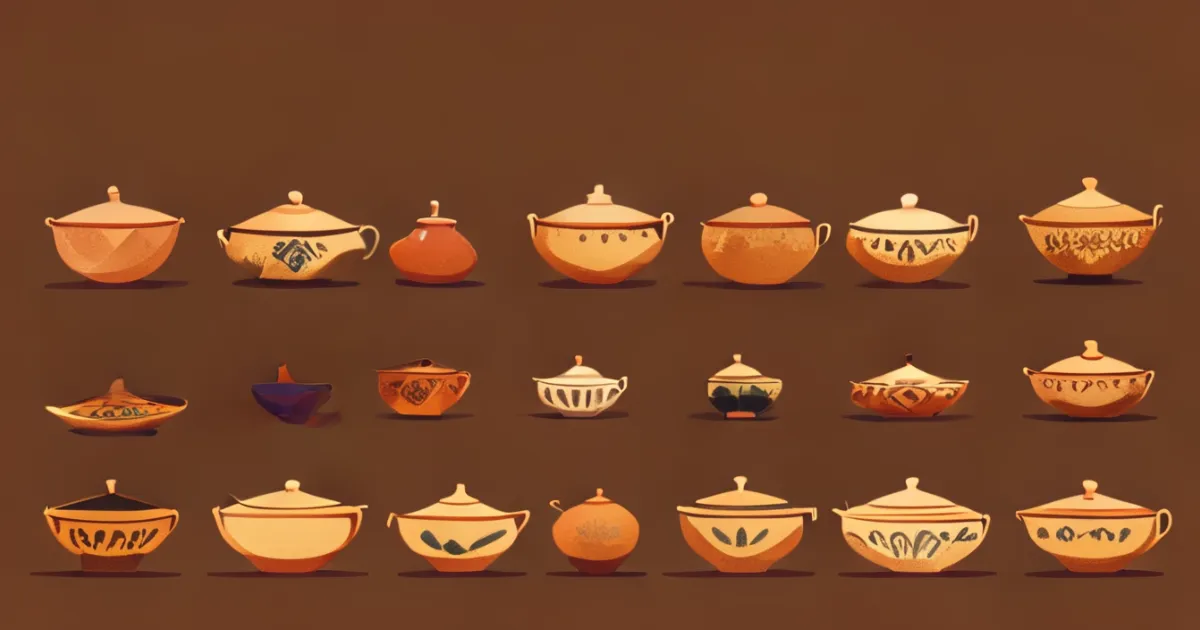
Explore authentic claypot recipes from various cultures that have perfected this cooking method over generations.
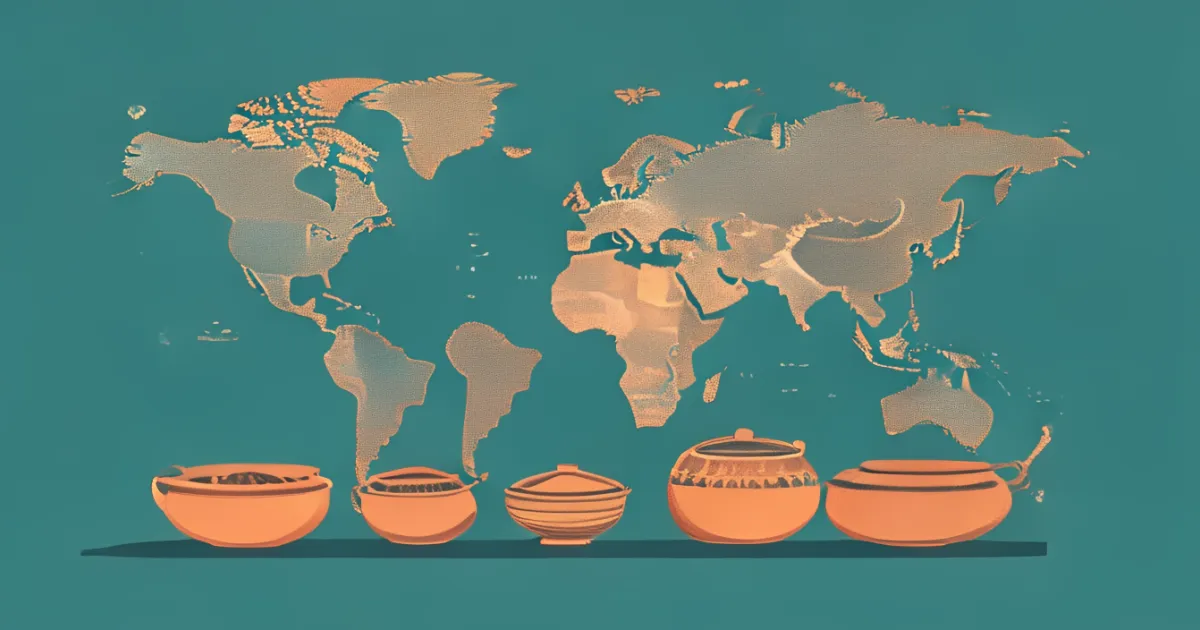
Explore authentic claypot dishes from around the world and learn how this ancient method compares to modern cooking.
Traditional claypot cooking represents humanity's oldest culinary tradition, spanning cultures and continents with techniques perfected over millennia. This timeless method connects modern home cooks to ancient wisdom, where earthenware vessels transform humble ingredients into extraordinary meals through the magic of slow, even heating and natural steam circulation.
The diversity of traditional claypot dishes reflects humanity's creative adaptation to local ingredients and cooking needs. From Chinese claypot rice with its coveted crispy bottom to Spanish cazuela seafood stews, each culture developed unique approaches that highlight clay's exceptional properties. Moroccan tagines utilize cone-shaped lids that redirect steam back into dishes, while Indian handi pots perfect complex curries through gentle simmering.
Asian cuisines particularly embrace claypot traditions. Japanese donabe cooking creates sophisticated hot pots and rice dishes, while Korean dolsot stone pots deliver sizzling bibimbap with perfectly crispy rice crusts. These traditional claypot dishes share common principles—slow cooking, moisture retention, and flavor concentration—but express unique cultural identities through ingredient combinations and serving styles.
Understanding claypot vs other cooking methods helps home cooks choose the right technique for each dish. Modern pressure cookers offer speed but sacrifice the gradual flavor development that makes claypot cooking special. Electric slow cookers provide convenience but lack the authentic earthenware interaction that contributes unique mineral notes to food.
Claypots excel at dishes benefiting from:
While modern methods work well for quick weeknight meals, claypot vs other cooking methods becomes clear when comparing depth of flavor and textural complexity. Claypots create distinctive results difficult to replicate with metal cookware or electric appliances.
Traditional claypot dishes often feature layering techniques where ingredients cook in sequence, each contributing to the final flavor profile. Mastering these recipes requires patience and understanding of how different ingredients interact with clay's unique properties. From Chinese claypot chicken rice to Provencal daubes, these heirloom recipes deserve preservation in modern kitchens.
The ancient wisdom embedded in traditional claypot cooking offers lessons for contemporary eaters seeking deeper connections to their food. Slow cooking traditions encourage mindfulness, while earthenware vessels promote sustainable cooking practices that align with modern environmental concerns.
Ready to explore these timeless techniques? Learn fundamental claypot cooking techniques to master traditional methods, or discover essential claypot recipes that showcase this ancient cooking wisdom.
Explore authentic claypot recipes from various cultures that have perfected this cooking method over generations.
Compare claypot cooking with modern methods to understand when and why to choose this traditional technique for superior results.

Warm up with comforting claypot stew and soup recipes that benefit from even heat distribution and moisture retention.