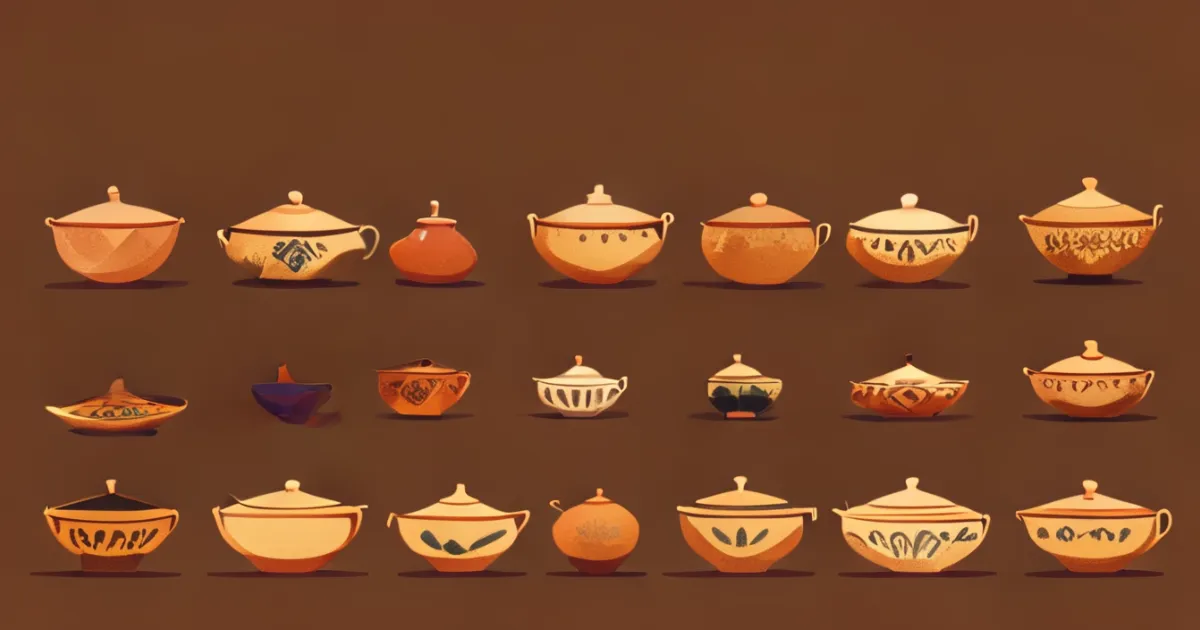
Traditional Claypot Dishes from Around the World
Explore authentic claypot recipes from various cultures that have perfected this cooking method over generations.

Amira HassanMonday, June 23, 2025
Traditional claypot dishes represent centuries of culinary wisdom passed down through generations. These time-honored recipes showcase how simple earthenware vessels can transform ordinary ingredients into extraordinary meals through gentle, even heat distribution and moisture retention.
The Cultural Heritage of Claypot Cooking
Claypot cooking spans across continents and cultures, each developing unique techniques that reflect local ingredients and traditions. From Asian claypot rice dishes to Mediterranean stews, these traditional recipes share a common foundation: the clay pot's ability to create tender, flavorful results that modern cookware often struggles to replicate.
The science behind traditional claypot dishes lies in the porous nature of earthenware. As the pot heats up, it absorbs moisture then releases it slowly, creating a natural steaming effect that keeps food moist while developing deep, concentrated flavors. This gentle cooking method preserves nutrients and textures that might be lost with higher heat techniques.
Asian Claypot Traditions
Chinese cuisine offers some of the most recognizable traditional claypot dishes, particularly claypot rice with Chinese sausage and chicken. This dish exemplifies the perfect balance of crispy bottom rice achieved through direct heat contact, while the upper layers remain fluffy and infused with savory juices.
Japanese donabe cooking celebrates seasonal ingredients through one-pot meals like nabemono, where diners gather around a communal claypot simmering with broth, vegetables, and proteins. The donabe's thick walls maintain steady temperature, making it ideal for shared dining experiences that stretch over hours.
Korean stone pot dishes, while technically made from stone rather than clay, follow similar principles. Dolsot bibimbap creates that coveted crispy rice layer that many claypot enthusiasts seek to master.
Mediterranean and Middle Eastern Heritage
North African tagines represent perhaps the most sophisticated evolution of claypot cooking. The conical lid design captures steam and circulates it back into the dish, requiring minimal additional water while developing incredibly tender meats and vegetables. Traditional lamb and prune tagine demonstrates how sweet and savory flavors meld beautifully under these conditions.
Spanish cazuela cooking produces rustic dishes like fabada asturiana, a hearty bean stew that simmers for hours, developing layers of flavor that only traditional claypot methods can achieve. The cazuela's ability to move directly from stovetop to oven makes it incredibly versatile for complex recipes.
Indian cooking embraces handis and matkas for slow-cooked curries and biryanis. These traditional claypot vessels are particularly suited to complex spice blends, allowing flavors to marry gradually without burning or evaporating too quickly.
South American Claypot Traditions
Brazilian moqueca, a seafood stew cooked in a clay caçarola, showcases how traditional claypot dishes adapt to local ingredients. The combination of fish, coconut milk, tomatoes, and peppers benefits from the gentle heat that prevents the delicate seafood from overcooking while allowing flavors to penetrate deeply.
Peruvian claypot cooking produces dishes like pachamanca, where various meats and vegetables are layered with herbs and cooked slowly in earthenware pots buried in hot stones. This tradition demonstrates how claypot cooking can be adapted to outdoor cooking methods while maintaining its core benefits.
Health Benefits of Traditional Claypot Cooking
Traditional claypot dishes offer nutritional advantages beyond just flavor. The slow, gentle cooking process preserves more nutrients compared to high-heat methods. Additionally, cooking in unglazed clay can add trace minerals to food, potentially enhancing its nutritional profile.
The natural non-stick properties of well-seasoned claypots mean less oil is needed for cooking, reducing overall fat content in traditional claypot dishes. This makes them an excellent choice for health-conscious cooking without sacrificing flavor or texture.
Mastering Traditional Techniques
Creating authentic traditional claypot dishes requires understanding specific techniques passed down through generations. Pre-soaking claypots before use prevents cracking and helps with even heat distribution. Starting with low heat and gradually increasing temperature allows the clay to adjust without thermal shock.
The art of layering ingredients in traditional claypot dishes matters significantly. Denser vegetables and meats typically go on the bottom where heat is most direct, while more delicate ingredients are added later or positioned higher in the pot to prevent overcooking.
Many traditional claypot dishes benefit from resting time after cooking. As the pot cools slightly, flavors continue to develop and redistribute, creating more harmonious results. This patience is a hallmark of traditional claypot cooking philosophy.
Preserving Culinary Heritage
Learning to prepare traditional claypot dishes connects us to culinary traditions that span millennia. These recipes represent more than just food—they're cultural artifacts that carry stories of migration, adaptation, and innovation across generations.
When you explore traditional claypot dishes, you're not just cooking; you're participating in a global heritage that values simplicity, patience, and the profound transformation that occurs when earth, fire, and food come together in perfect harmony. The humble claypot continues to prove that sometimes the oldest methods yield the most extraordinary results.
Whether you're drawn to Asian rice dishes, Mediterranean stews, or South American seafood preparations, traditional claypot cooking offers endless possibilities for exploration. Each culture has refined these techniques to suit local tastes and ingredients, creating a diverse tapestry of flavors that all share the common foundation of earthenware wisdom.
The enduring popularity of traditional claypot dishes reminds us that sometimes the most sophisticated culinary results come from the simplest tools. As you master these time-honored techniques, you'll discover why claypot cooking has remained relevant across cultures and centuries, offering delicious proof that tradition and innovation can beautifully coexist in your kitchen.