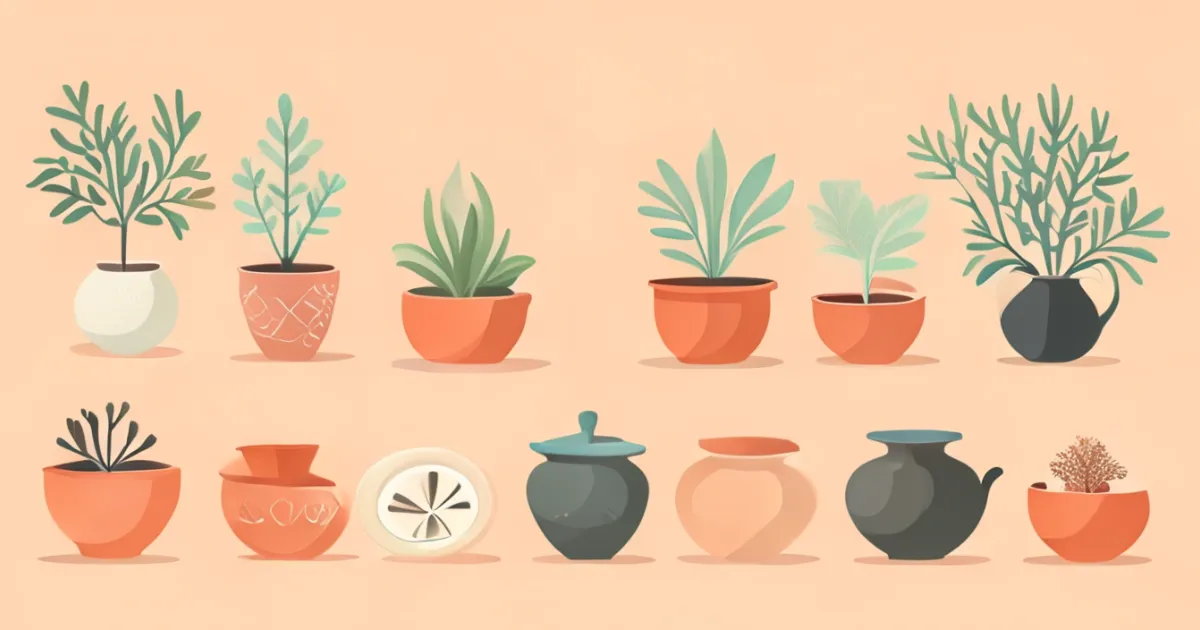
Discover how to select the perfect claypot for your kitchen with our comprehensive guide covering materials, sizes, and features.
Choose the right claypot and learn proper maintenance to ensure years of perfect cooking results.
Investing in the best claypot for home cooking requires understanding how different materials, sizes, and designs affect your culinary results. The right claypot becomes an essential kitchen companion that lasts for generations, while proper claypot maintenance and care ensures consistent performance and prevents common issues like cracking or flavor transfer.
Selecting the ideal claypot involves considering several key factors beyond just size and price. Unglazed earthenware pots offer traditional authenticity and excellent heat retention, while glazed varieties provide easier cleaning and versatility with different ingredients. For home cooking, consider your stove type—some claypots work better on gas ranges, others excel on electric or induction surfaces.
The capacity matters significantly. A 2-3 quart pot suits couples and small families, while larger 5-7 quart options accommodate entertaining and batch cooking. Look for pots with snug-fitting lids to lock in moisture and flavor, and handles that provide safe grip even when hot. When evaluating the best claypot for home cooking, prioritize thickness and weight—heavier pots typically offer better heat distribution and durability.
Proper claypot maintenance and care begins before the first use. Season new unglazed pots by soaking them in water, then slowly heating them with rice water or porridge to strengthen the clay and create a natural non-stick surface. This initial preparation prevents future cracking and enhances cooking performance.
Daily cleaning requires gentle methods—avoid harsh detergents that can penetrate the porous clay and affect food flavors. Instead, use warm water, soft brushes, and mild soap only when necessary. Always allow claypots to cool completely before washing to prevent thermal shock. Dry thoroughly and store in well-ventilated areas to prevent mold growth.
Understanding claypot temperature control separates amateur attempts from professional results. Clay heats slowly but retains temperature exceptionally well, making temperature management crucial. Start with low heat and gradually increase, allowing the pot to warm evenly. Never add cold liquids to a hot claypot—this rapid temperature change can cause cracking.
Different cooking techniques require specific temperature approaches. Slow simmering benefits from consistent low heat, while creating crispy rice bottoms needs controlled high heat during final stages. Learn to read visual cues like steam patterns and aroma changes to gauge internal temperature without constant checking.
Proper care extends beyond cleaning to include regular inspection for hairline cracks and proper storage. Your claypot investment rewards patient attention with decades of delicious meals and growing culinary expertise.
Ready to start cooking? Explore our essential claypot recipes that showcase proper equipment care, or discover traditional claypot dishes from around the world.
Discover how to select the perfect claypot for your kitchen with our comprehensive guide covering materials, sizes, and features.

Essential tips for cleaning, seasoning, and maintaining your claypot to ensure optimal performance and extend its lifespan.

Master the art of temperature management in claypot cooking for consistent results and perfectly cooked dishes.