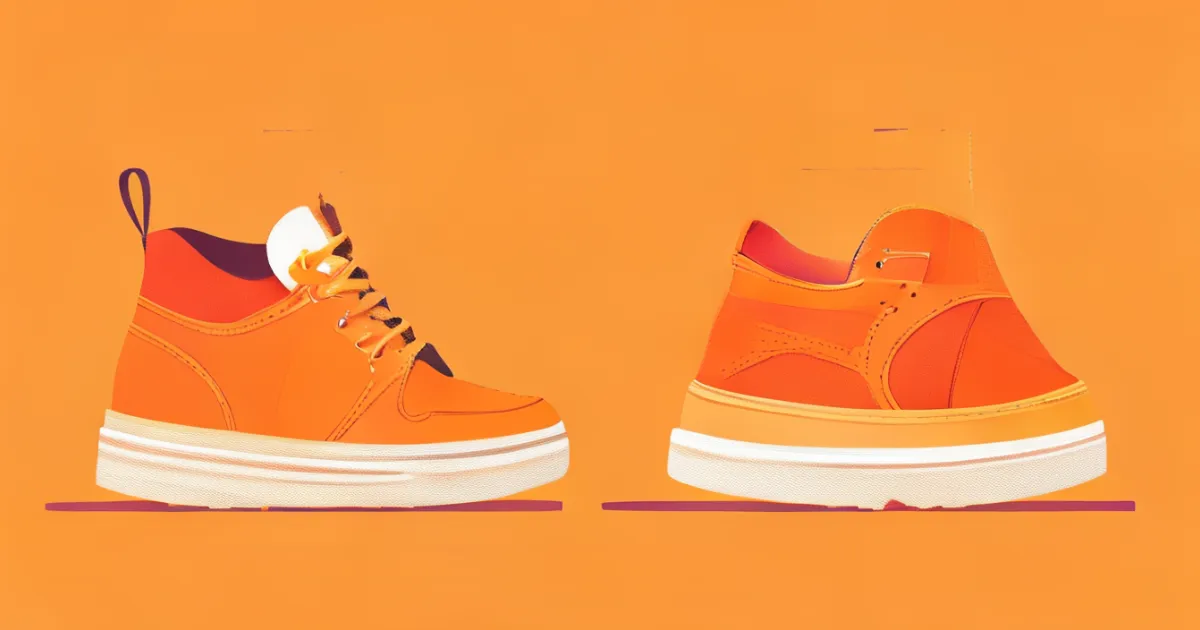
Zero Drop Shoes vs Traditional Shoes: Scientific Comparison
Compare zero drop footwear with traditional elevated heel shoes using biomechanical research. Understand the key differences in foot strike, posture, and long-term health effects.

Lena MartinezTuesday, June 17, 2025
Zero Drop vs Traditional Shoes: A Clear Comparison for Your Decision
Choosing the right footwear shouldn't feel like navigating a complex scientific paper, yet that's exactly what happens when you're comparing zero drop shoes to traditional elevated-heel footwear. Let's break down the key differences in a way that helps you make the best choice for your body and lifestyle.
Think of it this way: traditional shoes essentially place your foot on a gentle ramp, with your heel elevated higher than your toes. Zero drop shoes keep your foot completely level, as if you were standing barefoot on the ground. This seemingly small difference creates profound effects throughout your entire body.
The Fundamental Design Differences
Traditional Shoes typically feature:
- 8-12mm heel-to-toe drop (sometimes even higher)
- Cushioned heel area designed for impact absorption
- Often include motion control and stability features
- Tapered toe boxes that squeeze toes together
Zero Drop Shoes offer:
- 0mm heel-to-toe drop (completely level platform)
- Minimal cushioning, especially in the heel
- Wider toe boxes allowing natural toe splay
- Less structured support, encouraging natural foot movement
How These Differences Affect Your Movement
When you wear traditional elevated-heel shoes, your body immediately compensates. Your ankles adapt to the forward tilt, your knees may adjust position, and your hips tilt to maintain balance. This creates a chain reaction that can influence everything from your walking gait to your spinal alignment.
Zero drop shoes allow your feet to function more naturally. Without the heel elevation, your foot can better utilize its natural arch system for shock absorption, and your toes can spread to provide stability and propulsion. This encourages a more efficient movement pattern that aligns with your body's inherent biomechanics.
Impact on Foot Strength and Function
Here's where the comparison gets interesting: traditional shoes essentially provide support that your feet would otherwise need to develop themselves. While this might sound beneficial initially, it can lead to weakened intrinsic foot muscles over time.
Zero drop footwear challenges your feet to work as they were designed. This doesn't mean your feet will feel weak initially—quite the opposite. Many people report stronger arches, better balance, and improved overall foot function after transitioning to zero drop shoes.
Comfort Considerations
The comfort experience differs significantly between these shoe types, and your personal preference matters:
Traditional Shoe Comfort:
- Immediate cushioning sensation
- Familiar feel for most adults
- Good for people who need extra support due to specific conditions
Zero Drop Comfort:
- More ground connection and sensory feedback
- May require adjustment period
- Often described as feeling more "natural" once adapted
Who Benefits Most from Each Type?
Traditional Shoes might work better for you if:
- You have certain foot conditions requiring specific support
- You're not ready or willing to transition from elevated heels
- You need specialized athletic footwear for specific sports
- Your healthcare provider recommends structured support
Zero Drop Shoes could be your better choice if:
- You want to strengthen your feet naturally
- You're interested in improving posture and alignment
- You're willing to invest time in proper transition
- You prefer a more natural movement experience
The Transition Reality
Switching from traditional to zero drop shoes isn't as simple as buying a new pair and wearing them all day immediately. Your body has adapted to elevated heels over years, and it needs time to readjust.
Start with short periods in your zero drop shoes, gradually increasing wear time as your feet and legs adapt. Some people experience temporary muscle soreness as their feet and calves adjust to the new position—this is normal and usually resolves within a few weeks.
Making Your Personal Choice
The "better" shoe type ultimately depends on your individual needs, goals, and body. Neither option is universally superior for everyone. Consider your current foot health, activity levels, and willingness to adapt when making your decision.
If you're curious about zero drop shoes but hesitant to fully commit, consider a gradual approach. Start with low-drop shoes (4-6mm) as an intermediate step, or use zero drop shoes for certain activities while maintaining traditional shoes for others.
Discover the specific health advantages that make zero drop footwear worth considering
Learn how to safely transition from traditional to zero drop shoes with our comprehensive guide
Ready to explore options? Check out our detailed reviews of the best zero drop shoes available