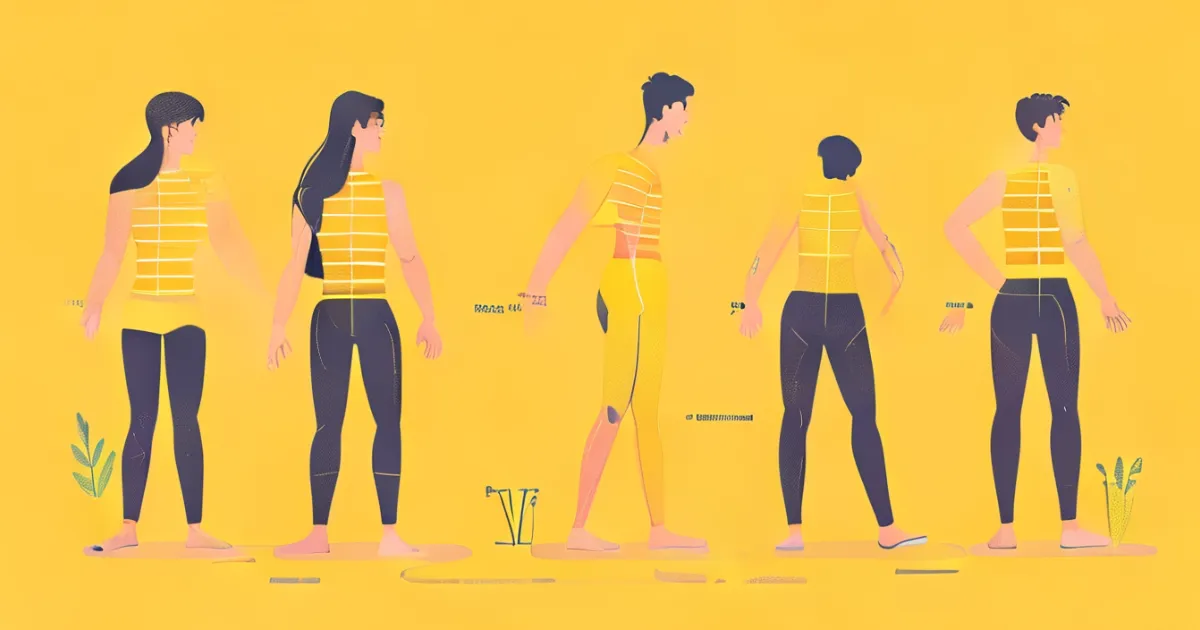
Explore the scientifically proven benefits of zero drop footwear, from improved posture and balance to reduced injury risk. Understand how flat shoes align with natural human biomechanics.

Understanding the health benefits and therapeutic applications of zero drop footwear for foot health and overall wellbeing.
The zero drop shoes benefits extend far beyond athletic performance, fundamentally changing how your body interacts with the ground throughout daily activities. This innovative footwear approach maintains a level platform from heel to toe, aligning with your foot's natural anatomy and promoting healthier movement patterns that can transform your overall wellbeing. By understanding these biomechanical advantages, you can make informed decisions about footwear that support rather than hinder your body's natural design.
Scientific research has demonstrated numerous health advantages associated with zero drop shoes benefits, particularly concerning posture, balance, and joint health. Traditional elevated-heel footwear forces your body into an unnatural forward lean, potentially causing misalignment throughout your kinetic chain—from your feet through your spine. Zero drop footwear helps restore proper alignment, reducing stress on your joints and potentially alleviating chronic pain conditions that many people accept as normal.
The comparison between zero drop shoes vs traditional shoes reveals significant differences in how each design affects your body's biomechanics. Traditional shoes with elevated heels can shorten your Achilles tendons and calf muscles over time, leading to reduced flexibility and increased injury risk. In contrast, zero drop footwear promotes natural muscle engagement throughout your lower extremities, strengthening the intrinsic foot muscles that act as your body's natural shock absorbers. This strengthened foundation can improve stability and reduce the likelihood of common foot and ankle injuries.
For individuals struggling with plantar fasciitis, zero drop shoes for plantar fasciitis offer promising therapeutic potential by addressing the root causes of this painful condition. The flat design encourages proper foot mechanics and reduces strain on the plantar fascia—the thick band of tissue connecting your heel to your toes. Many users report significant relief when transitioning to zero drop footwear, particularly when combined with proper stretching and strengthening exercises.
The zero drop shoes benefits encompass improved proprioception—your body's awareness of its position in space—which is crucial for balance and fall prevention, especially as you age. Enhanced sensory feedback from your feet can improve coordination and stability during daily activities. This increased body awareness can translate to better performance in sports, reduced risk of falls in older adults, and improved confidence during movement.
Beyond physical benefits, many users report positive effects on overall energy levels and fatigue reduction. Traditional footwear can contribute to poor posture and muscle imbalances that lead to chronic fatigue. By promoting natural alignment and movement patterns, zero drop shoes may help reduce the energy expenditure associated with compensatory movements, potentially increasing your stamina throughout the day.
The zero drop shoes vs traditional shoes debate also extends to long-term health implications. Chronic use of elevated-heel footwear has been associated with various musculoskeletal issues, including bunions, hammertoes, and even knee and hip problems. Zero drop footwear offers a preventative approach, potentially reducing the risk of developing these conditions by maintaining your feet in their natural position.
For those considering the transition to zero drop footwear, understanding the zero drop shoes benefits in context of your specific health goals is essential. Whether you're seeking relief from chronic pain, improved athletic performance, or better overall posture, zero drop shoes can be a valuable tool in your health and wellness journey. The key lies in proper selection, gradual adaptation, and attention to your body's signals throughout the transition process.
The growing body of evidence supporting zero drop shoes for plantar fasciitis and other foot-related conditions demonstrates the therapeutic potential of natural footwear design. By working with your body's biomechanics rather than against them, zero drop shoes offer a pathway to improved foot health and overall wellbeing that aligns with evolutionary principles of human movement.
Explore the scientifically proven benefits of zero drop footwear, from improved posture and balance to reduced injury risk. Understand how flat shoes align with natural human biomechanics.
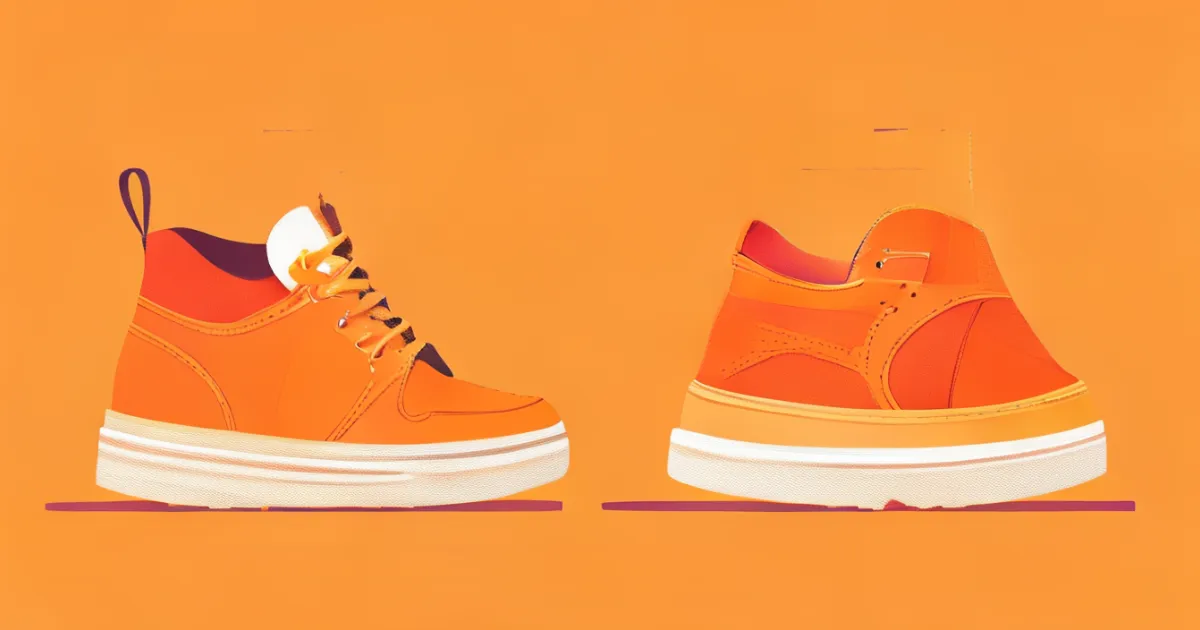
Compare zero drop footwear with traditional elevated heel shoes using biomechanical research. Understand the key differences in foot strike, posture, and long-term health effects.

Discover how zero drop footwear can help alleviate plantar fasciitis symptoms by promoting natural foot mechanics. Learn about proper selection and gradual adaptation for maximum therapeutic benefit.