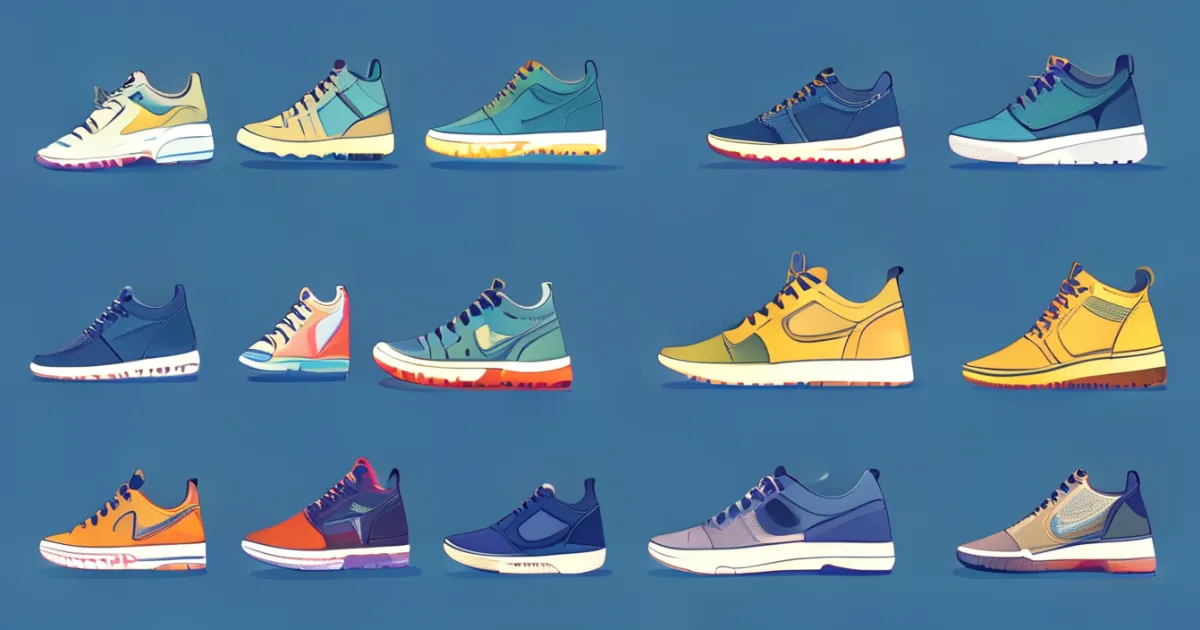
Best Zero Drop Shoes 2025: Top Picks for Every Activity
Expert-reviewed selection of the best zero drop shoes for running, hiking, work, and daily wear. Compare features, comfort, and value to find your perfect pair.

Lena MartinezTuesday, June 17, 2025
Finding Your Perfect Zero Drop Shoes: A Practical Guide
When you're ready to embrace natural foot movement, choosing the right best zero drop shoes can feel overwhelming. You want footwear that supports your body's biomechanics while fitting your lifestyle perfectly. Let's walk through everything you need to know to find your ideal pair.
Understanding Your Zero Drop Needs
Before diving into specific models, take a moment to consider what brought you to zero drop footwear. Are you recovering from foot pain? Seeking better running form? Looking for all-day comfort at work? Your primary use case will guide your decision more than any brand name or price point.
For daily wear and walking: Look for models with roomy toe boxes and flexible materials. Your feet need space to spread naturally throughout the day, especially if you spend hours on your feet. Brands like Altra and Lems consistently deliver comfort-focused options that work well for office environments and casual outings.
Running enthusiasts need different features. The best zero drop running shoes balance ground feel with protection. Consider your running surface—road models offer smoother transitions, while trail options provide aggressive tread and rock plates for technical terrain. Many runners discover their form improves naturally when the heel elevation disappears.
Athletic training and gym work demand versatility. You'll want stable lateral support for side-to-side movements, plus durable construction that withstands daily workouts. Cross-training models often combine zero drop platforms with reinforced uppers for added durability during high-intensity activities.
Key Features That Matter Most
Toe box width deserves your attention first. Your toes should splay naturally, not feel cramped or constrained. A proper toe box allows your foot's natural arch to engage during movement, providing intrinsic strength that traditional shoes often suppress.
Stack height varies widely between models. Some minimalist options offer paper-thin soles for maximum ground feel, while others provide modest cushioning for extended wear. Higher stack heights aren't better or worse—they simply serve different preferences and activities. If you're new to zero drop, start with a moderate stack height before transitioning to more minimal options.
Material flexibility affects comfort significantly. Supple uppers move with your feet rather than fighting against them. Look for breathable fabrics that prevent moisture buildup during extended wear. Natural materials often provide better temperature regulation than synthetic alternatives, though modern engineered materials offer excellent performance too.
Sole construction influences durability and ground feel. Some models use single-piece rubber outsoles that create seamless transitions, while others incorporate specialized materials in high-wear areas. Consider your typical surfaces when evaluating sole construction—concrete demands different properties than trails or gym floors.
Popular Categories and Top Picks
Everyday casual shoes combine zero drop platforms with versatile styling. Many people start their zero drop journey here, transitioning from traditional sneakers or casual shoes. Look for models that blend with your wardrobe while providing the biomechanical benefits you seek. Popular options include the Lems Boulder Boot for its all-weather capability and the Altra Escalante for superior walking comfort.
Running specific models offer specialized features for performance enhancement. Trail runners benefit from aggressive tread patterns and protective rock plates, while road runners prioritize smooth transitions and responsive cushioning. The Altra Tor and Lone Peak series dominate trail conversations, while the Xero Shoes Prio appeals to road runners seeking maximum ground feel.
Workplace appropriate options make zero drop feasible in professional settings. Some models combine zero drop platforms with formal styling, allowing you to maintain biomechanical alignment even in dress code environments. Lems offers several dress-casual hybrids, while VivoBarefoot provides professional options with leather uppers and subtle styling.
Making the Transition Successfully
Start gradually regardless of your fitness level. Your feet and calves need time to adapt to the new alignment, especially if you've worn elevated heel shoes for years. Begin with short periods of wear, alternating between your new zero drop shoes and traditional footwear during the first few weeks.
Listen to your body's signals. Minor muscle soreness indicates adaptation, while sharp pain suggests you're progressing too quickly. Pay attention to your calves, arches, and Achilles tendons—the most common adjustment areas. Most people experience full adaptation within 4-6 weeks of consistent, gradual use.
Build foot strength alongside your transition. Simple exercises like towel scrunches, marble pickups, and single-leg balances prepare your feet for the new demands. Strong intrinsic foot muscles enhance the benefits of zero drop footwear and reduce injury risk during the adaptation period.
Common Questions and Concerns
Will zero drop shoes work for my specific foot condition? Many people find relief from common foot issues like plantar fasciitis and bunions, but individual results vary. If you have significant structural foot problems, consult with a healthcare professional before making the transition. Zero drop shoes address many biomechanical issues, but they're not a universal solution for every foot condition.
How long do they typically last? Durability varies by model and usage patterns. Most quality zero drop shoes provide 300-500 miles of running use or 6-12 months of daily wear. Minimal construction often means simpler repairs and longer overall lifespan compared to heavily cushioned traditional shoes with complex midsole foams.
Are they worth the investment? Consider the broader benefits beyond immediate comfort. Improved posture, enhanced proprioception, and stronger foot muscles contribute to long-term health outcomes that extend far beyond shoe lifespan. When viewed as a health investment rather than just footwear, the value proposition becomes much clearer.
Final Thoughts on Finding Your Perfect Pair
The journey to finding your ideal best zero drop shoes is personal and evolving. Start with clear goals, prioritize comfort over brand loyalty, and give your body time to adapt. Remember that different activities may require different shoes—you don't need one perfect pair for everything.
Whether you're seeking relief from foot pain, improved athletic performance, or simply want to move more naturally throughout your day, zero drop footwear offers a pathway to better biomechanical health. Take your time, trust your body's signals, and enjoy discovering how natural movement feels when your footwear supports rather than restricts your feet's incredible design.
Ready to explore specific models for your needs? Visit our zero drop shoes review section for detailed testing insights, or learn more about health benefits from embracing natural footwear. Your feet will thank you for the attention and care you're investing in their long-term health and function.