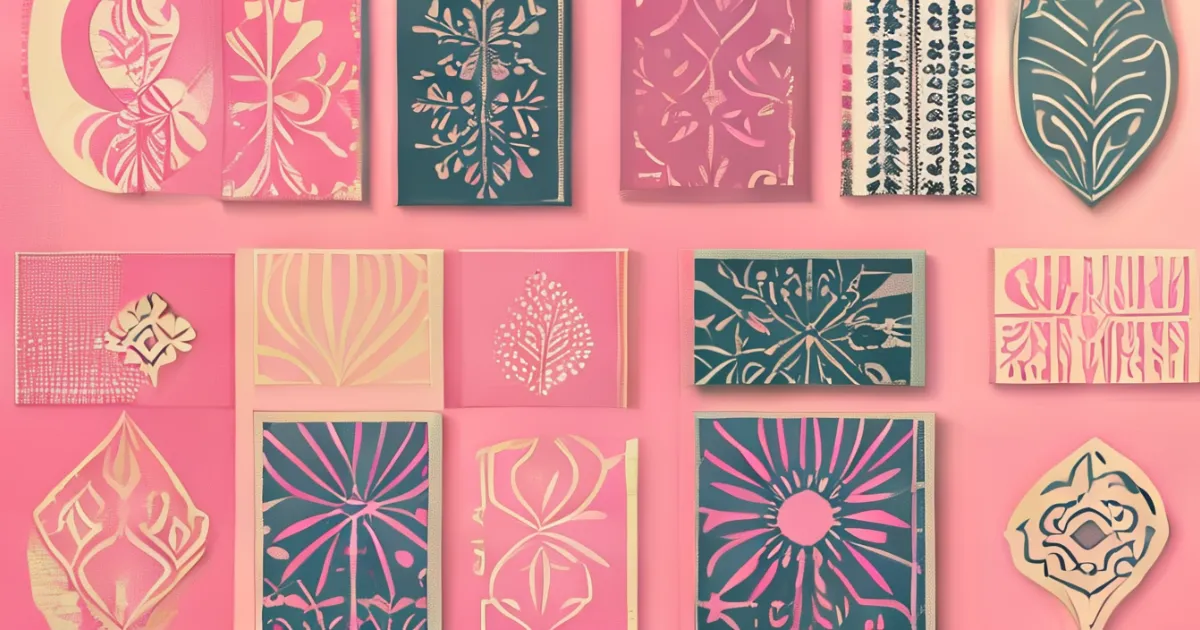
Decorative Wall Panels: Styling Ideas & Trends
Explore decorative wall panel options that combine beauty and functionality. From traditional wainscoting to contemporary accent walls, discover stylish ways to enhance your interior design.

Tariq JonesFriday, August 8, 2025
Transforming Spaces with Decorative Wall Panels
Decorative wall panels offer transformative potential that elevates ordinary rooms into extraordinary spaces through texture, pattern, and visual interest. Unlike purely functional wall treatments, these panels serve as design statements that reflect personal style while solving practical challenges like sound absorption and wall protection. The beauty of decorative panels lies in their versatility—from subtle dimensional treatments that create sophisticated backgrounds to bold geometric patterns that command attention as room focal points.
Modern decorative wall panels combine aesthetic appeal with functional benefits, making them increasingly popular among homeowners seeking distinctive design solutions. Beyond visual impact, these panels can conceal wall imperfections, improve acoustics, and add architectural character to otherwise plain spaces. Whether you're renovating a single room or transforming your entire home, decorative panels provide creative opportunities that traditional wall treatments simply cannot match.
Popular Styles and Design Trends
Traditional wainscoting and beadboard panels continue offering timeless appeal with contemporary adaptations that suit modern interiors. Classic designs now appear in updated materials like moisture-resistant composites and easy-installation systems that maintain authentic aesthetics while improving practicality. These traditional patterns work particularly well in dining rooms, entryways, and bedrooms where they add architectural detail without overwhelming the space.
Geometric and abstract decorative panels represent cutting-edge design trends that bring artistic elements directly into architectural features. Hexagonal patterns, interlocking shapes, and flowing organic designs create visual movement that captures attention and serves as conversation starters. These panels often function as living artwork, with three-dimensional surfaces that change appearance throughout the day as lighting conditions shift.
Industrial-inspired decorative panels incorporate materials like metal, concrete, and reclaimed wood textures that bring raw sophistication to contemporary spaces. Weathered finishes, perforated metal surfaces, and distressed wood panels create environments that celebrate imperfection while maintaining refined aesthetics. These designs work exceptionally well in lofts, home offices, and modern entertainment spaces where they contribute to authentic, lived-in character.
Material Selection for Maximum Impact
Wood remains a premier choice for decorative wall panels, offering natural warmth, durability, and design flexibility. Premium hardwoods like walnut, oak, and maple provide rich grain patterns that add organic sophistication to any room. Engineered wood products offer cost-effective alternatives with consistent quality and appearance, making sophisticated wood paneling accessible to various budget levels. Sustainable options like reclaimed wood and bamboo panels deliver environmental benefits alongside distinctive character that mass-produced materials cannot replicate.
Metal decorative panels introduce modern industrial elements that reflect light and create dramatic visual statements. Materials like aluminum, brass, and copper can be finished in various textures and patterns, from brushed surfaces to intricate laser-cut designs. These panels work exceptionally well in contemporary kitchens, bathrooms, and feature walls where their reflective qualities enhance spatial brightness while adding sophisticated detail.
Composite and synthetic materials revolutionize decorative paneling with advanced manufacturing techniques that produce realistic textures and patterns at affordable price points. High-density polymers, fiberglass composites, and engineered materials offer exceptional durability, moisture resistance, and design versatility. These modern solutions capture the appearance of expensive natural materials while providing superior performance in challenging environments.
Strategic Placement and Design Integration
Entryways and foyers benefit from dramatic decorative panels that create memorable first impressions. Tall vertical panels with deep textures or elegant patterns transform mundane entrances into sophisticated transitions that establish design expectations. These installations work particularly well when complemented by coordinated lighting that highlights dimensional qualities and creates welcoming ambiance.
Living rooms and entertainment spaces become more dynamic with strategically placed decorative panels that serve as backdrops for furniture arrangements or media installations. Large-scale panels behind televisions or seating areas create visual hierarchy while improving acoustics for better entertainment experiences. Consider integrating LED lighting within panel designs to add ambient illumination that enhances mood and functionality.
Bedrooms transform into retreats with decorative panels that promote relaxation and comfort. Upholstered panels with luxurious fabrics provide both sound absorption and tactile richness that supports restful environments. Wood panels with subtle grain patterns create warmth and connection to natural elements that research shows can reduce stress and improve wellbeing.
Installation Techniques and Best Practices
Successful decorative wall panel installation begins with thorough wall preparation that ensures lasting results. Clean surfaces, repair any damage, and create perfectly flat mounting surfaces that prevent panel distortion over time. Precise measurement and layout planning prevents awkward cuts and waste while ensuring optimal visual balance. Consider using laser levels and measuring tools to maintain consistency across multiple panels.
Proper mounting techniques vary by material and panel type, but quality installation always involves both mechanical fastening and appropriate adhesives for maximum security. Follow manufacturer recommendations for spacing, expansion gaps, and sealing requirements to accommodate temperature and humidity fluctuations. Professional installation often proves worthwhile for complex designs or premium materials where mistakes prove costly to correct.
Finishing details determine whether decorative panels appear integrated additions or obvious retrofits. Coordinate trim pieces, molding, and transition strips with existing architectural elements for seamless appearance. Apply appropriate protective coatings or finishes that preserve panel appearance while providing necessary protection against wear and environmental factors.
For those ready to explore specific material options, understanding wood wall panels provides insight into traditional choices that continue evolving with modern technology. Similarly, exploring 3D wall panels reveals innovative dimensional treatments that create striking visual impact in contemporary spaces.