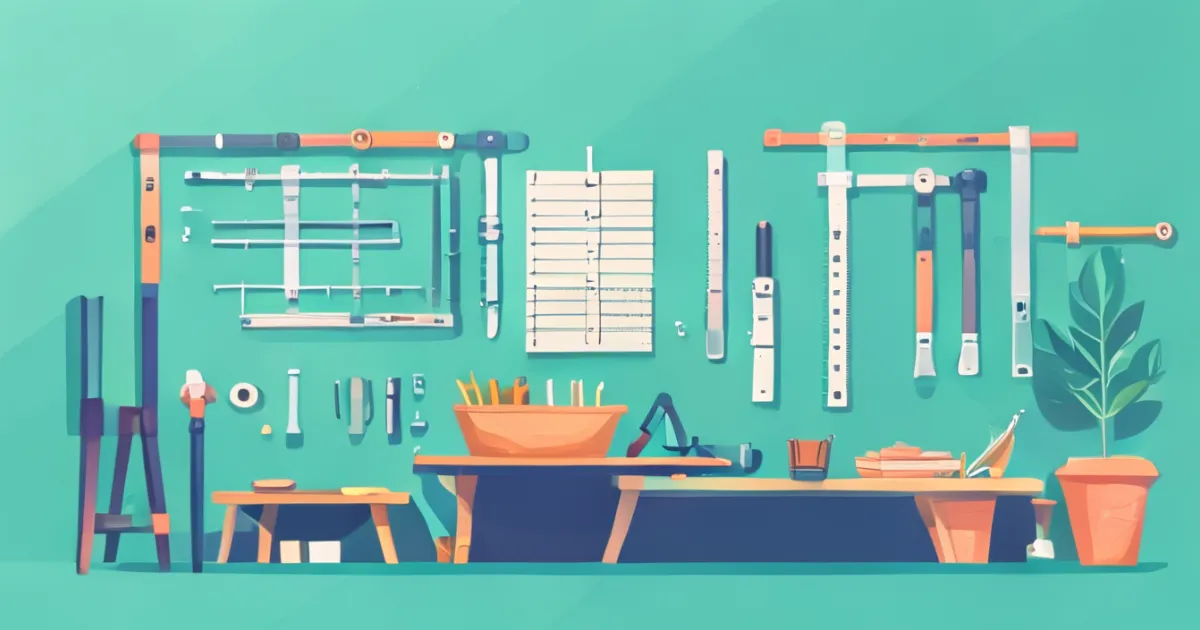
Master wall panel installation with this comprehensive DIY guide. Learn proper preparation, measurement techniques, mounting methods, and professional tips for achieving flawless results on your first attempt.
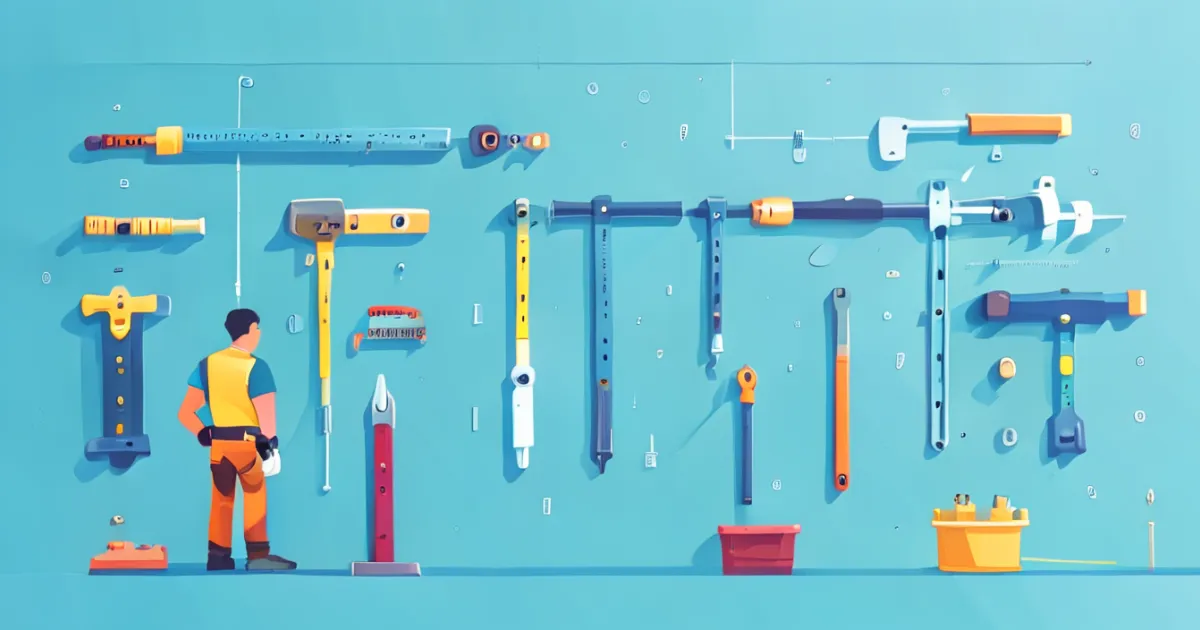
Master wall panel installation with step-by-step guides, professional tips, and essential tools for perfect results.
Successful wall panelling hinges on proper installation techniques, regardless of the materials you've chosen. Wall panel installation requires careful planning, precise measurements, and attention to detail to achieve professional-looking results. Whether you're working with wood panels, PVC systems, or 3D decorative elements, understanding the fundamental principles ensures your investment pays off with flawless execution.
Before diving into the actual installation process, thorough preparation sets the foundation for success. Begin by carefully measuring your wall space and calculating the exact number of panels needed, including a buffer for cutting and mistakes. Proper wall preparation involves cleaning surfaces, repairing any damage, and ensuring the wall is perfectly level. This crucial step prevents issues like uneven panel gaps, visible seams, or future warping.
Gather all necessary tools and materials before starting your project. While specific requirements vary based on your chosen materials and types, most installations require basic tools like measuring tape, level, saw, adhesive, and finishing materials. Having everything organized and accessible streamlines the process and reduces frustration during installation.
Wall panel installation techniques vary significantly between different materials and applications. Direct attachment methods using adhesive or mechanical fasteners work well for lightweight panels like PVC or thin wood veneers. For heavier or more expensive materials, consider a furring strip system that creates an air gap between the wall and panels, improving insulation and providing space for electrical wiring.
When installing wood wall panels, allow for natural expansion and contraction by leaving small gaps between panels. This prevents buckling or warping as humidity levels change. For wall panel installation projects involving moisture-prone areas like bathrooms or kitchens, ensure proper sealing and use moisture-resistant adhesives and materials.
Precision cutting cannot be overstated in wall paneling projects. Whether using a circular saw, jigsaw, or specialized panel cutter, clean, straight cuts create seamless joints and professional-looking results. Take extra time with measurements and test cuts on scrap material before committing to your actual panels.
Understanding wall paneling cost factors helps you make informed decisions throughout your project. Material expenses typically represent 40-60% of the total budget, with labor, tools, and finishing materials comprising the remainder. DIY installation can significantly reduce costs, but factor in the learning curve and potential for mistakes that might require professional correction.
Hidden costs often emerge during wall paneling projects. These include wall preparation materials, specialized tools, finishing supplies like paint or sealant, and potential structural modifications. Planning for these contingencies prevents budget overruns and ensures a smoother installation process.
Consider the long-term value proposition when evaluating wall paneling options. While premium materials might cost more initially, factors like durability, maintenance requirements, and lifespan impact the overall cost-effectiveness of your investment. Some materials offer better insulation properties, potentially reducing energy costs over time.
Even experienced installers encounter challenges during wall panel projects. Uneven walls present particular difficulties, requiring creative solutions like shimming, custom panel sizing, or the use of flexible mounting systems. In older buildings, unexpected obstacles like plumbing or electrical wiring may necessitate adjustments to your installation plan.
Panel alignment issues can mar an otherwise successful installation. Use laser levels or chalk lines to maintain straight lines and consistent spacing. For large wall areas, work from the center outward to ensure balanced panel placement and minimize visual irregularities.
When mistakes happen during wall panel installation, knowing how to address them saves time and money. Small gaps can often be filled with color-matched caulk or wood filler. Misaligned panels might be salvaged with careful adjustment or, in worst cases, selective replacement. The key is patience and willingness to step back and reassess rather than rushing through corrections.
Mastering these installation techniques empowers homeowners to tackle wall panelling projects with confidence. Whether you're creating a subtle accent wall or transforming an entire room, proper execution ensures your vision becomes a lasting reality that enhances your home's beauty and value.
Master wall panel installation with this comprehensive DIY guide. Learn proper preparation, measurement techniques, mounting methods, and professional tips for achieving flawless results on your first attempt.
Plan your wall paneling project with detailed cost breakdowns for materials, labor, and different panel types. Learn how to budget effectively and identify cost-saving opportunities without compromising quality.