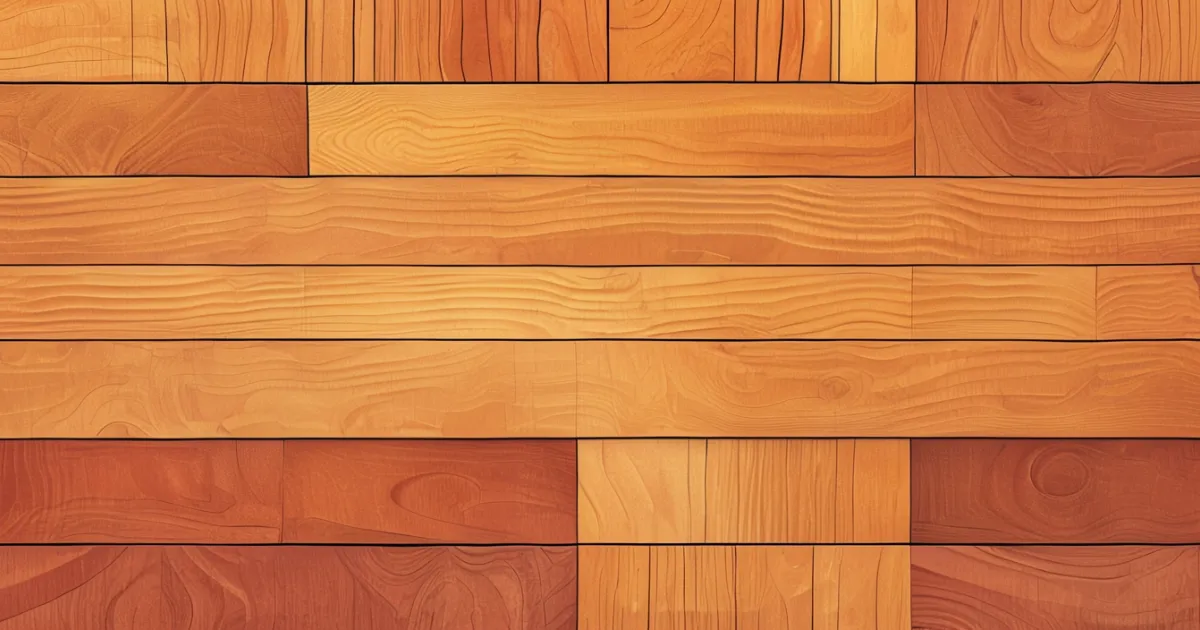
Wood Wall Panels: Types, Benefits & Installation
Discover the timeless appeal of wood wall panels, from classic hardwood to modern engineered options. Learn about different wood types, installation methods, and how to maintain your wooden wall features for lasting beauty.

Isabel FerrerFriday, August 8, 2025
Wood wall panels bring natural warmth and timeless elegance to any interior space. These versatile design elements combine sustainability with sophisticated aesthetics, making them a popular choice for homeowners and designers seeking to create environments that feel both organic and refined. From rustic reclaimed timber to sleek engineered hardwood, wooden paneling offers endless possibilities for transforming ordinary walls into striking architectural features.
The appeal of wood wall panels extends far beyond their visual charm. As a natural material, wood possesses inherent properties that contribute to healthier indoor environments. It naturally regulates humidity, absorbs sound, and can even improve air quality by storing carbon throughout its lifecycle. These functional benefits make wooden panels particularly valuable in bedrooms, living spaces, and offices where acoustic performance and comfort are priorities.
Types of Wood Wall Panels
Understanding the different varieties of wood panels helps you select the perfect option for your specific needs and design vision. Each type offers distinct characteristics in terms of appearance, durability, installation complexity, and environmental impact.
Solid Wood Panels
Solid wood panels represent the premium end of the market, crafted from single pieces of lumber rather than composites or veneers. Options include oak, maple, cherry, walnut, and exotic hardwoods, each bringing unique grain patterns and natural colors. Solid panels can be finished in numerous ways, from natural oils that highlight the wood's character to painted surfaces that complement existing decor.
The main advantages of solid wood include exceptional longevity (often lasting decades with proper care), the ability to refinish and rejuvenate surfaces multiple times, and superior structural stability. However, these benefits come with higher costs and increased installation complexity, often requiring professional mounting and careful acclimation to prevent warping or splitting.
Engineered Wood Panels
Engineered wood panels offer a cost-effective alternative while maintaining the authentic appearance of natural wood. These products typically feature a real wood veneer bonded to a stable core material like MDF or plywood. The multi-layer construction provides excellent dimensional stability, making engineered panels less prone to expansion or contraction due to temperature and humidity changes.
Popular engineered options include reclaimed wood panels, which combine sustainability with character, and thermo-treated woods that have been enhanced for improved durability and resistance to moisture. Many engineered panels come in convenient modular systems that simplify installation, making them ideal for DIY projects and situations where budget constraints preclude solid wood options.
Decorative Wood Panels
Beyond traditional plank-style installations, decorative wood panels encompass a wide range of specialized products designed for aesthetic impact. These include geometric patterns, carved textures, three-dimensional designs, and laser-cut motifs that can serve as accent pieces or entire wall treatments. Artisan-crafted panels featuring intricate woodworking techniques can transform walls into functional art pieces.
These decorative options work particularly well as feature walls in entryways, behind beds in bedrooms, or as conversation pieces in living areas. The variety extends from rustic reclaimed barn wood arrangements to contemporary minimalist designs that emphasize clean lines and subtle grain patterns.
Installation Considerations
Proper installation ensures that your wood wall panels look beautiful and perform well for years to come. While some products are designed for straightforward DIY installation, others require professional expertise and specialized tools.
Preparation is Key
Before beginning any installation project, thorough preparation prevents common problems and ensures lasting results. Start by ensuring the wall surface is clean, dry, and structurally sound. Address any moisture issues, cracks, or irregularities before proceeding. Most wood panel installations benefit from a moisture barrier, particularly in bathrooms, kitchens, or basements where humidity levels fluctuate.
Acclimation represents another critical preparation step. Allow your wood panels to adjust to the room's temperature and humidity for at least 48-72 hours before installation. Store them flat in the room where they'll be installed, ensuring good air circulation around all sides. This adjustment period minimizes the risk of post-installation movement or warping.
Installation Methods
The appropriate mounting method depends on your panel type, wall construction, and desired aesthetic. Direct nailing or screwing remains the most traditional approach for solid wood panels, providing secure attachment and the ability to remove panels for future maintenance. This method requires careful measuring and precise placement to ensure professional-looking results.
Adhesive mounting offers a cleaner alternative, especially for engineered panels and lighter-weight options. Modern construction adhesives provide strong, durable bonds while eliminating the need for visible fasteners. However, adhesive installation typically makes future removal more challenging, so consider long-term plans when selecting this method.
Floating systems create interesting visual effects by spacing panels slightly away from walls, often using hidden mounting hardware. This approach adds depth and shadow lines while allowing access to wall surfaces behind the panels. Some floating systems incorporate lighting elements or acoustic insulation within the gap between panels and walls.
Sustainability and Environmental Impact
As environmental consciousness grows in importance, many homeowners prioritize sustainable materials for their renovation projects. Wood wall panels offer several environmental advantages when sourced and installed thoughtfully.
Responsible Sourcing
Look for wood products certified by organizations like the Forest Stewardship Council (FSC) or the Sustainable Forestry Initiative (SFI). These certifications ensure that the wood comes from responsibly managed forests that protect biodiversity, support local communities, and maintain ecological balance. Reclaimed and salvaged wood provide even more sustainable options, giving new life to materials that might otherwise end up in landfills.
Bamboo represents another environmentally friendly option, technically a grass but often grouped with wood products due to its similar applications and appearance. Bamboo grows rapidly and regenerates without replanting, making it an excellent sustainable choice for eco-conscious homeowners.
Lifecycle Considerations
Wood's durability and longevity contribute significantly to its environmental profile. Unlike synthetic materials that may require replacement every decade or two, quality wood installations can last generations when properly maintained. This extended lifespan reduces overall material consumption and waste generation over time.
The end-of-life scenarios for wood panels also favor sustainability. Unlike composite or plastic-based alternatives, natural wood can be reclaimed, repurposed, or allowed to biodegrade naturally without releasing harmful chemicals. Some manufacturers even offer take-back programs that ensure old panels find new life in other products or applications.
Design Integration and Styling
Successfully integrating wood wall panels into your existing decor requires thoughtful consideration of various design elements including scale, proportion, color, and complementary materials.
Scale and Placement
The size and placement of your wood panels significantly impact their visual effect. Large-scale installations covering entire walls create dramatic statements and can make rooms feel more intimate and grounded. Partial installations, such as wainscoting or accent walls, offer subtler ways to incorporate wood without overwhelming smaller spaces.
Consider architectural features when planning panel placement. Wood panels can highlight existing elements like fireplaces, emphasize ceiling height, or create visual interest in otherwise plain spaces. The direction of wood grain—horizontal, vertical, or diagonal—affects how rooms are perceived, with vertical lines potentially making ceilings appear higher while horizontal installations can make rooms feel wider.
Color and Finish Options
Wood panels come in an extensive range of natural colors and can be finished to match any design aesthetic. Natural finishes highlight the inherent beauty of wood grain and color variations, creating organic, authentic appearances. Painted finishes allow wood panels to blend seamlessly with existing color schemes while maintaining texture and depth.
Distressed and weathered finishes provide rustic charm, suggesting history and character that adds warmth to contemporary spaces. High-gloss lacquers create dramatic, modern effects that work well in sophisticated environments. The finish choice should align with both aesthetic preferences and practical considerations like maintenance requirements and durability needs.
Cost Considerations and Budget Planning
Investing in wood wall panels involves various cost factors beyond the materials themselves. Understanding these considerations helps you make informed decisions and plan budgets that align with your renovation goals.
Material Costs
Wood panel prices vary dramatically based on type, quality, and source. Basic engineered panels might cost modest amounts, while premium exotic hardwoods can represent significant investments. Reclaimed wood often falls somewhere in between, with costs influenced by sourcing difficulty and processing requirements.
Purchase quantities affect per-unit costs, with bulk orders sometimes qualifying for discounts. However, buying extra material to account for cutting waste and potential mistakes represents wise planning rather than unnecessary expense. Professional estimators recommend ordering 10-15% additional material for most projects.
Installation Expenses
Installation costs depend on multiple factors including panel type, wall condition, and local labor rates. DIY installations save on professional fees but require tool investments and significant time commitments. Complex patterns or specialty installations typically demand professional expertise to ensure quality results.
Additional expenses may include wall preparation materials, specialized tools, finishing products, and potential structural modifications. Creating detailed budgets that account for both obvious and hidden costs prevents unexpected expenses and ensures project completion without financial stress.
Wood wall panels offer exceptional versatility in transforming interior spaces while providing lasting beauty and value. Whether you prefer the natural character of reclaimed timber or the sophisticated appeal of hardwoods, these installations create environments that connect occupants with nature while expressing personal style preferences. With thoughtful planning and proper execution, wood paneling becomes more than mere decoration—it becomes an integral part of your home's character and comfort.