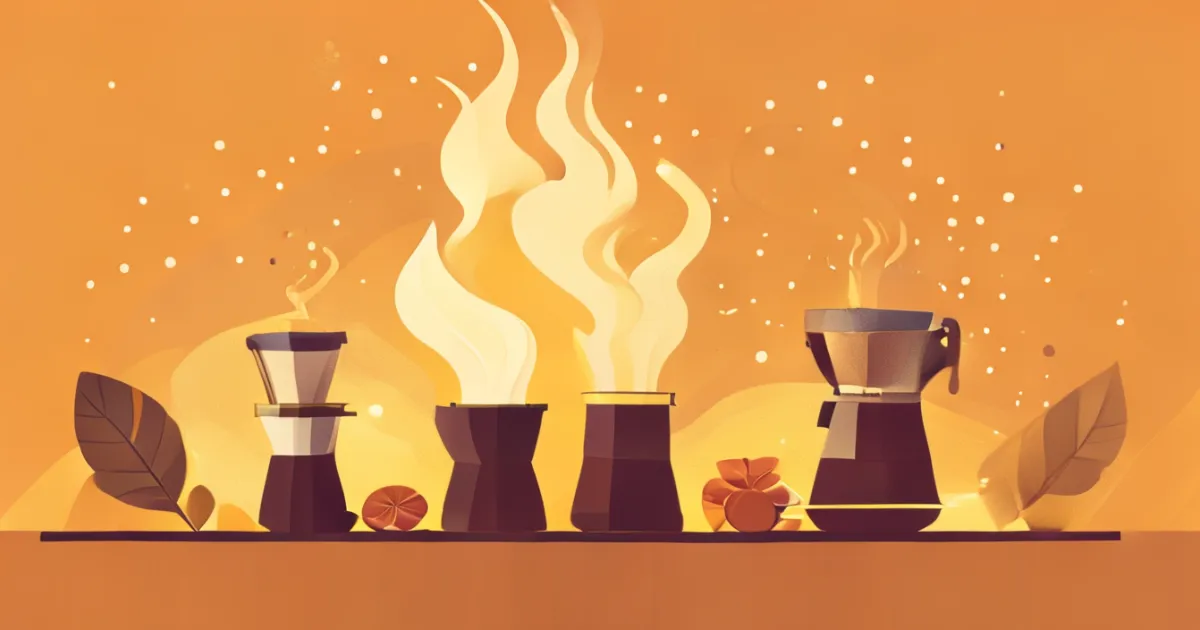
Explore the craft of artisan coffee roasting, understand roast profiles, and discover roasters who transform green beans into exceptional coffee.
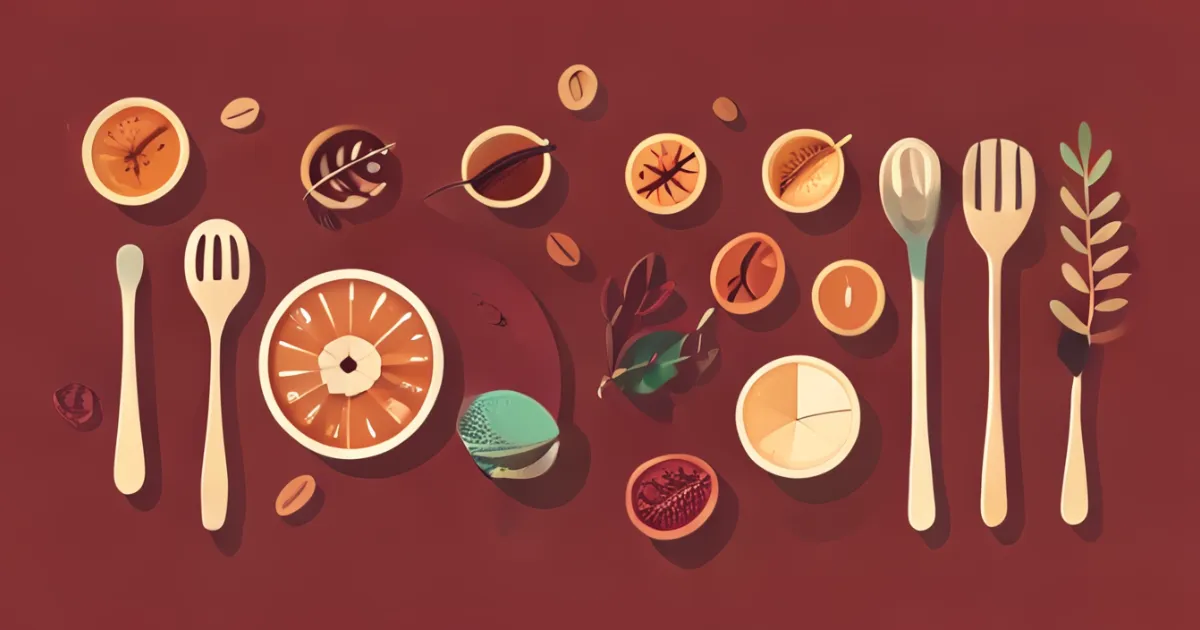
Develop your coffee palate with professional cupping techniques, learn tasting notes, and discover artisan roasters who create exceptional coffee.
The art of coffee tasting transforms the simple act of drinking coffee into a sophisticated sensory journey that reveals the complex characteristics hidden within each bean. Developing a refined coffee palate enables you to appreciate the subtle nuances that distinguish exceptional specialty coffee from ordinary brews, while deepening your connection to the coffee's origins and processing methods.
Coffee tasting notes represent a structured language for describing the myriad flavors, aromas, and sensations that coffee presents. Understanding how to identify and articulate these characteristics forms the foundation of coffee quality assessment. The coffee taster's flavor wheel provides a comprehensive framework for recognizing everything from bright citrus and floral notes to deep chocolate and nut undertones.
Professional tasters develop the ability to perceive acidity, body, sweetness, and aftertaste with remarkable precision. Acidity in coffee refers to bright, crisp flavors rather than sourness—think of the refreshing quality of a green apple rather than the sharpness of vinegar. Body describes the coffee's mouthfeel, ranging from light and tea-like to full and creamy. Understanding these fundamental attributes helps you evaluate coffee quality and communicate your preferences with confidence.
Coffee cupping provides the standardized method for evaluating coffee quality consistently across different beans, origins, and processing methods. This systematic approach to tasting follows specific protocols designed to highlight coffee's inherent characteristics while minimizing variables that might affect perception.
The cupping process involves carefully measuring coffee grounds, adding hot water at precise temperatures, and evaluating the coffee at different stages—dry fragrance, wet aroma, break, and tasting. Professional cuppers use specific spoons and slurping techniques to aerate the coffee, ensuring it coats the entire palate for maximum flavor perception. Learning these techniques enables you to assess coffee with the same precision as industry professionals, helping you identify the qualities that matter most to your preferences.
Artisan coffee roasters play a crucial role in developing and preserving coffee quality through their expertise in heat application and timing control. The roasting process transforms green coffee beans into the aromatic brown beans we recognize, unlocking complex flavor compounds while preserving the unique characteristics imparted during growing and processing.
Different roast profiles highlight various aspects of coffee quality. Light roasts preserve origin characteristics and acidity, making them ideal for showcasing terroir-driven flavors. Medium roasts develop balance between origin characteristics and roast-derived flavors, while dark roasts emphasize body and sweetness developed during the roasting process. Understanding how roast level affects flavor helps you select coffees that match your taste preferences and brewing methods.
Exceptional coffee quality begins with proper sourcing practices. When you explore single origin coffee beans, you're experiencing the direct impact of terroir and careful harvesting methods on flavor development. Similarly, understanding direct trade coffee sourcing reveals how ethical relationships between farmers and buyers contribute to consistent quality improvement.
Your brewing choices significantly impact how coffee quality expresses itself. Different specialty coffee brewing methods can highlight various aspects of coffee quality—pour-over techniques emphasize clarity and brightness, while immersion methods enhance body and sweetness. Matching brewing parameters to coffee characteristics ensures you experience the full potential of carefully sourced and roasted beans.
Building coffee tasting expertise requires patience, practice, and curiosity. Start by comparing coffees side by side to notice subtle differences, keep detailed tasting notes to track your preferences, and experiment with different brewing parameters to understand how they affect flavor expression. Consider exploring specialty coffee certification programs to deepen your understanding of quality standards and production methods.
As your palate develops, you'll discover new dimensions in coffee quality that transform your daily coffee ritual into a rich sensory experience. The journey of coffee tasting never truly ends—each cup offers opportunities to learn, discover, and appreciate the remarkable complexity that makes specialty coffee such a fascinating pursuit.
Explore the craft of artisan coffee roasting, understand roast profiles, and discover roasters who transform green beans into exceptional coffee.
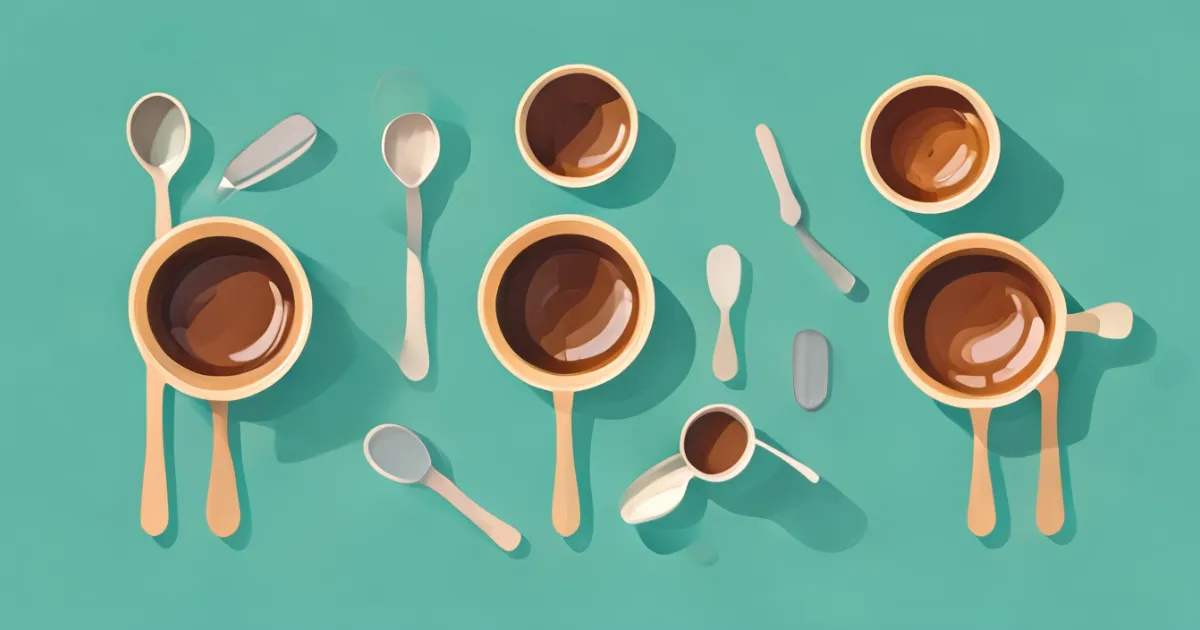
Learn professional coffee cupping techniques, evaluation criteria, and how to assess coffee quality like a certified Q-grader.

Master the language of coffee flavors, identify tasting notes, and develop your palate to recognize complex flavor profiles in specialty coffee.