
Discover what makes single origin coffee beans special, learn about different growing regions, and understand how terroir affects coffee flavor profiles.
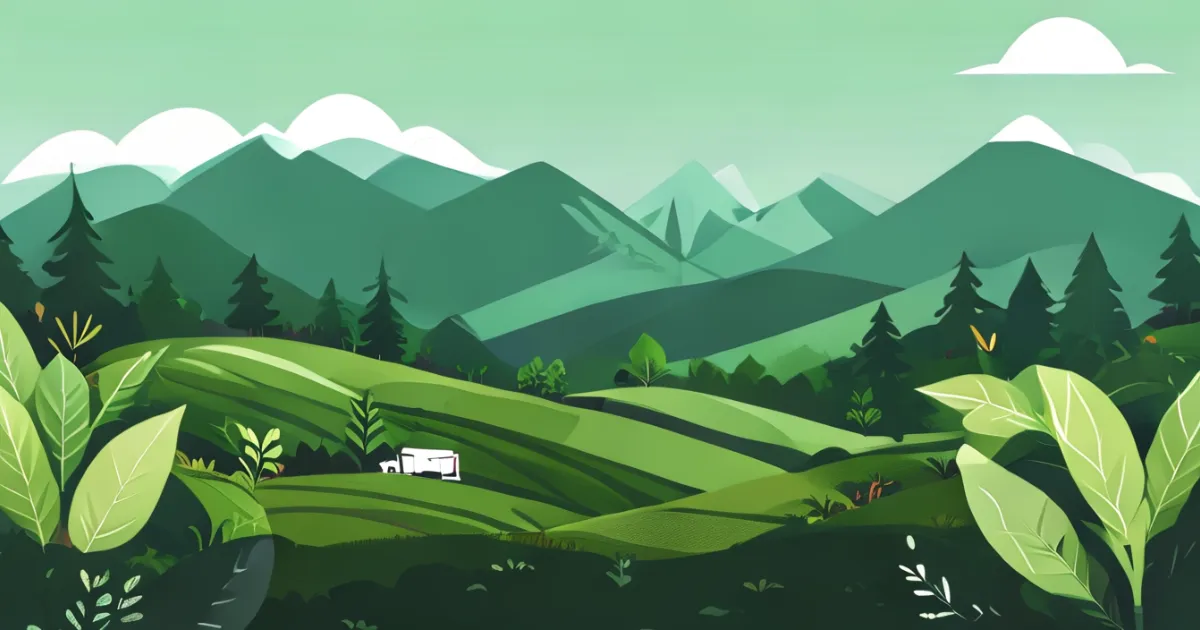
Explore the journey of specialty coffee from farm to cup, including direct trade relationships, single origin beans, and certification standards.
The journey of exceptional specialty coffee begins long before brewing starts—it begins with careful coffee sourcing and understanding the unique characteristics of different growing regions. The world of coffee origins represents a fascinating intersection of geography, climate, tradition, and agricultural expertise that ultimately determines the flavors in your cup.
When exploring single origin coffee beans, coffee enthusiasts discover how terroir—soil composition, altitude, rainfall patterns, and temperature variations—creates distinctive flavor profiles that cannot be replicated elsewhere. Ethiopian Yirgacheffe beans might offer bright, floral notes with citrus undertones, while Colombian selections often present balanced chocolate and nut characteristics. These regional differences make coffee sourcing one of the most exciting aspects of specialty coffee exploration.
Beyond flavor, modern coffee sourcing encompasses crucial considerations of sustainability and farmer welfare. Coffee bean sourcing direct trade relationships have emerged as a powerful alternative to traditional commodity markets, enabling roasters to work directly with farmers and ensure fair compensation for quality. These direct partnerships foster transparency throughout the supply chain and help maintain exceptional growing practices that benefit both the environment and local communities.
The rise of specialty coffee certification programs has provided consumers with additional assurance about their coffee's origins and production methods. Whether through Fair Trade certification, organic standards, or Rainforest Alliance verification, these programs help identify coffees that meet specific ethical and environmental criteria. Understanding these certifications allows coffee lovers to make purchasing decisions that align with their values while supporting sustainable agriculture.
Each coffee-growing region offers unique characteristics worth exploring. African coffees often present bright, fruity profiles with wine-like acidity. Latin American beans typically feature clean, balanced flavors with chocolate and caramel notes. Asian and Pacific Island coffees can range from earthy and spicy to full-bodied and syrupy. By learning about these regional characteristics, coffee enthusiasts can develop a deeper appreciation for the complexity and diversity of specialty coffee.
For those looking to deepen their understanding of coffee quality assessment, our professional coffee cupping guide provides detailed techniques for evaluating coffee characteristics. Additionally, exploring artisan coffee roasters reveals how careful roasting enhances and preserves the unique qualities found in properly sourced beans.
As you continue your specialty coffee journey, remember that every great coffee experience begins with the foundational work of dedicated farmers who practice sustainable agriculture and exceptional harvesting methods. The next time you enjoy a specialty coffee, take a moment to appreciate the remarkable journey those beans have made from their mountain origins to your cup.
Discover what makes single origin coffee beans special, learn about different growing regions, and understand how terroir affects coffee flavor profiles.

Learn how direct trade relationships benefit coffee farmers and consumers, ensuring quality, fairness, and transparency in the coffee supply chain.
Navigate the world of coffee certifications including Fair Trade, Organic, and Rainforest Alliance to make informed purchasing decisions.