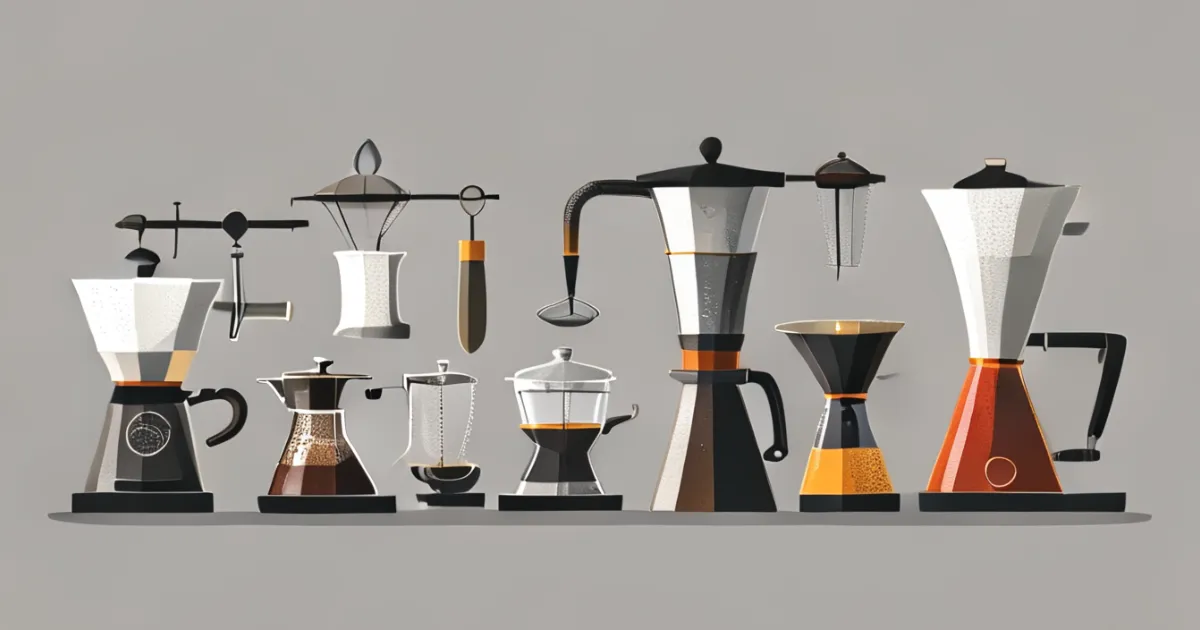
Essential Craft Coffee Equipment Guide
Discover must-have coffee equipment from grinders to scales, learn what to invest in, and build your perfect specialty coffee setup.

Lena MartinezWednesday, June 18, 2025
Essential Craft Coffee Equipment Guide
Building the perfect craft coffee equipment collection doesn't require overwhelming complexity or excessive spending. With the right foundation, you can create exceptional coffee that rivals your favorite café. Start with these essentials and expand your setup as your skills and preferences develop.
The Coffee Grinder: Your Most Important Investment
Nothing impacts your coffee quality more than a quality grinder. Freshly ground coffee contains volatile compounds that begin degrading within minutes of grinding. A burr grinder provides consistent particle size, ensuring even extraction and preventing the bitter over-extraction that plagues blade grinders.
When choosing your grinder, prioritize consistency over convenience. Entry-level electric burr grinders offer excellent performance for home brewing, while manual options provide portability and meditation-like ritual. Look for conical burrs for versatility across different brewing methods, or flat burrs if you prioritize consistency for pour-over brewing.
Adjust your grind size based on your brewing method: coarse for French press, medium for drip coffee, medium-fine for pour-over, and fine for AeroPress. Fine-tune your grind size based on taste — if your coffee tastes bitter, try a coarser grind. If it's sour or weak, go finer. Remember that different beans require different settings, so taste and adjust accordingly.
Scales: Precision for Consistent Results
A digital scale transforms coffee brewing from guesswork into science. Measuring both coffee and water by weight ensures consistency and allows you to perfect your brewing ratios. Without precise measurements, you'll struggle to reproduce excellent results or identify what needs improvement.
Look for a scale with at least 0.1g precision for coffee measurements and a built-in timer for tracking brewing time. The scale should accommodate your brewing vessel and have a fast response time. Many coffee-specific scales include water-resistant surfaces and auto-timing functions that start when you begin pouring.
For most brewing methods, aim for a 1:16 to 1:17 coffee-to-water ratio by weight. This means using 1 gram of coffee for every 16-17 grams of water. However, don't be afraid to experiment — some methods work better with different ratios, and personal preference plays a significant role.
Water Quality and Temperature
Water comprises over 98% of your final cup, making water quality crucial for excellent coffee. Tap water often contains minerals and chemicals that can alter coffee flavor or damage your equipment. Filtered water removes impurities while retaining beneficial minerals that aid extraction.
Consider using a water pitcher with activated carbon filtration, or invest in a dedicated water system if your tap water quality is particularly poor. Some coffee enthusiasts use mineral water specifically formulated for brewing, though this level of precision is unnecessary for most home brewers.
Temperature control is equally important. Water that's too hot extracts bitter compounds, while water that's too cool results in under-extracted, sour coffee. Aim for water between 195-205°F (90-96°C) for most brewing methods. A gooseneck kettle with temperature control provides the precision needed for consistent results.
Kettles and Pouring Technique
A gooseneck kettle offers the precise control needed for pour-over brewing and other methods requiring careful water application. The long, narrow spout allows you to direct water exactly where you want it, ensuring even saturation of coffee grounds and consistent extraction.
While you don't need an expensive kettle to start, consider one with temperature control if possible. This eliminates the guesswork of water temperature and ensures consistency across brewing sessions. If using a stovetop kettle, invest in a reliable thermometer to monitor water temperature.
Practice your pouring technique with plain water before brewing with coffee. Focus on maintaining a steady, gentle stream that spirals from the center outward. Avoid splashing or agitating the grounds excessively. Smooth, consistent pouring helps prevent channeling, where water finds paths of least resistance through the coffee bed.
Brewing Devices: Choose Your Method
Your choice of brewing device depends on your lifestyle, taste preferences, and desired ritual complexity. Each method highlights different aspects of coffee flavor, so consider starting with one that matches your daily routine.
For convenience and consistency, consider an AeroPress or automatic drip coffee maker. These methods forgive small mistakes and deliver reliable results. If you enjoy the ritual and control of manual brewing, a pour-over setup with a V60 or Chemex offers exceptional clarity and complexity.
French press brewing provides richness and body with minimal equipment investment, making it perfect for beginners or those who prefer full-bodied coffee. Cold brew systems create smooth, low-acidity coffee perfect for hot weather or sensitive stomachs.
Remember that you don't need every device at once. Master one method before expanding your collection. Each brewing technique teaches different aspects of coffee extraction that will improve your overall brewing knowledge.
Filters and Storage Solutions
The right filters can dramatically impact your final cup quality. Paper filters produce exceptionally clean coffee but may absorb some oils that contribute to body and flavor. Metal filters allow more oils through, creating richer, fuller-bodied coffee but require more thorough cleaning.
Choose filter paper appropriate for your brewing method — bleached filters for neutral flavor, or unbleached if you prefer natural materials. Rinse paper filters with hot water before brewing to remove paper taste and preheat your brewing vessel.
Proper coffee storage preserves freshness and protects your investment. Store whole beans in airtight containers away from light, heat, and moisture. Avoid storing coffee in the refrigerator or freezer, as condensation can damage beans when you remove them. Only grind what you need immediately before brewing for maximum freshness.
Building Your Collection Gradually
Start with the essentials — a quality grinder, scale, and one brewing method you enjoy. As you develop your skills and preferences, gradually add equipment that enhances your brewing experience. Remember that expensive equipment doesn't guarantee better coffee without proper technique and quality beans.
Focus on understanding how each variable affects your final cup. Temperature, grind size, brewing time, and water quality all play crucial roles. Keep a brewing journal to track your experiments and identify what works best for your taste preferences.
Whether you're just beginning your journey into specialty coffee or looking to upgrade your setup, the right craft coffee equipment transforms daily coffee preparation into a rewarding ritual. Start with quality basics, master the fundamentals, and expand your collection thoughtfully as your passion grows.
For guidance on specific brewing techniques, explore our guide to essential specialty coffee brewing methods and discover how different approaches highlight unique characteristics in your favorite beans.