
Professional Development
Essential training programs, certification requirements, and career advancement pathways for phlebotomists seeking to excel in their healthcare profession.
Last Update:6/18/2025
Master phlebotomy skills, certification requirements, and career advancement opportunities in the evolving healthcare landscape.
Essential healthcare professionals, training requirements, and career opportunities
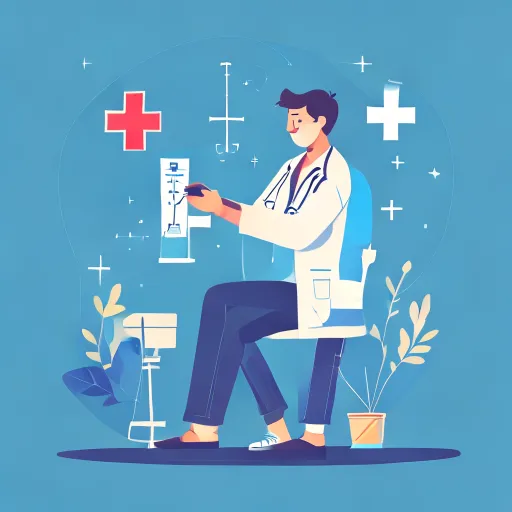
A phlebotomist is a skilled healthcare professional trained to draw blood for medical testing, transfusions, donations, or research. These essential team members combine technical expertise with patient care skills to ensure safe, comfortable blood collection procedures. Learn more about phlebotomy training programs and certification requirements to start your healthcare career journey.
Training, certification, skills, and advancement opportunities for healthcare professionals
Training Program Types:
Program Prerequisites:
Clinical Requirements:
Most programs require 100-120 successful venipunctures and 20-30 capillary draws for certification eligibility. Clinical rotations provide hands-on experience in various healthcare settings including hospitals, clinics, and outpatient laboratories.
Major Certification Bodies:
Examination Components:
Important: Certification requirements vary by state—California, Louisiana, Nevada, and Washington have specific state licensing requirements beyond national certification.
Core Technical Skills:
Patient Care & Communication:
Daily Workflow Management:
| Time Period | Primary Activities | Key Priorities |
|---|---|---|
| Morning | Equipment setup, patient schedule review, specimen processing | Efficiency and accuracy |
| Mid-day | High-volume collections, STAT specimens, emergency draws | Speed and precision |
| Afternoon | Documentation, equipment maintenance, quality control | Thoroughness and compliance |
| End of Shift | Inventory management, specimen transport, handoff communication | Organization and continuity |
Salary Ranges by Setting:
Experience-Based Progression:
Career Advancement Pathways:
Job Outlook: The Bureau of Labor Statistics projects 8% growth through 2030, faster than average for all occupations.
Explore comprehensive guides covering professional development, workplace excellence, and career planning for phlebotomists.
Essential training programs, certification requirements, and career advancement pathways for phlebotomists seeking to excel in their healthcare profession.

Master essential phlebotomy skills, understand daily responsibilities, and thrive in various healthcare work environments with professional guidance.

Navigate phlebotomist salary expectations, job outlook, and essential medical equipment knowledge for successful career planning and professional growth.
Three essential steps to launch your healthcare career as a certified phlebotomist
Enroll in an accredited phlebotomy training program with classroom instruction and clinical practice. Programs typically take 3-12 months and include hands-on experience with diverse patient populations.
Pass a national certification exam (ASCP, NHA, or AMT) and meet state-specific licensing requirements. Certification validates your essential phlebotomy skills and improves job prospects.
Apply for positions across diverse healthcare environments and explore advancement opportunities. Continue education for career growth and specialization.
In-depth resources covering phlebotomy training, certification, skills development, and career advancement
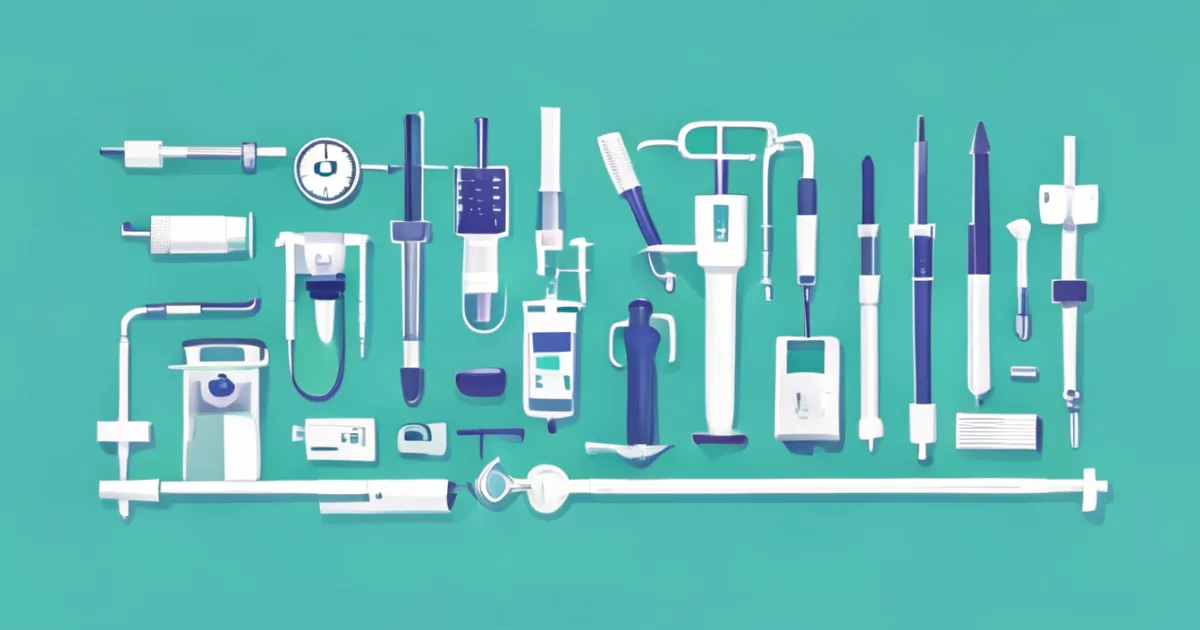
Master the essential medical equipment used in phlebotomy, from collection tubes and needles to safety devices and transport systems. Learn proper handling, maintenance, and safety protocols.

Analyze the current phlebotomist job outlook with industry growth projections, emerging opportunities, and healthcare market trends. Plan your career with insights into demand patterns and future prospects.

Explore the comprehensive daily responsibilities of phlebotomists, from patient preparation and blood collection to specimen processing, documentation, and maintaining sterile environments.

Discover various phlebotomy work environments, from hospitals and clinics to mobile collection units and research laboratories. Learn about workplace dynamics, team collaboration, and adapting to different settings.

Understand the essential certification requirements for phlebotomists, including national exams, state-specific regulations, and continuing education. Learn how to maintain your credentials and advance your professional standing.
Explore comprehensive phlebotomy training programs, from classroom instruction to hands-on clinical experience. Learn about program types, duration, costs, and how to choose the right training path for your healthcare career goals.
Experienced medical professionals providing authoritative guidance for your phlebotomy career journey


Get answers to common questions about phlebotomy careers, training, and certification requirements