Essential Medical Equipment for Phlebotomists
Master the essential medical equipment used in phlebotomy, from collection tubes and needles to safety devices and transport systems. Learn proper handling, maintenance, and safety protocols.

Lena MartinezWednesday, June 18, 2025
Essential Medical Equipment for Professional Phlebotomists
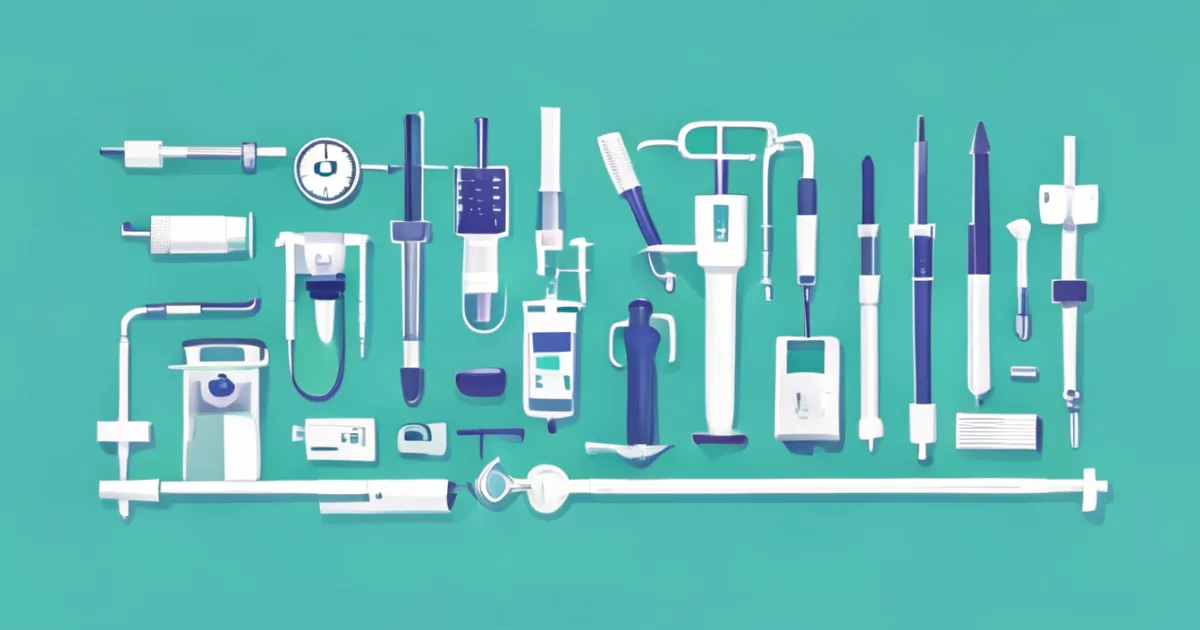
Mastering the tools of your trade transforms you from a novice collector into a skilled healthcare professional. Understanding essential phlebotomist medical equipment goes beyond recognizing devices—it involves knowing when and how to use each tool effectively to ensure patient safety and specimen quality.
Core Collection Equipment
Venipuncture needles represent the most fundamental tools in your phlebotomy arsenal. These precision instruments come in various gauges, each designed for specific patient types and collection needs. Higher gauge numbers indicate thinner needles suitable for delicate veins or pediatric patients, while lower gauges provide faster flow rates for adult patients with accessible veins. Understanding needle selection criteria helps you adapt to individual patient needs and collection requirements.
Collection tubes form the backbone of specimen processing systems. Color-coded tube tops indicate different additives and testing requirements, making proper identification crucial for accurate laboratory results. Each tube contains specific substances that preserve specimen integrity or facilitate particular testing procedures. Understanding the order of draw prevents cross-contamination between additives and ensures specimen quality throughout the collection process.
Safety-engineered devices have become standard in modern phlebotomy practice. These innovative tools incorporate mechanisms that protect both healthcare workers and patients from accidental needlesticks. Retractable needles, safety sheaths, and needleless systems significantly reduce occupational hazards while maintaining collection efficiency and patient comfort. Mastering various safety device mechanisms ensures you can work confidently with whatever equipment your healthcare facility provides.
Patient Preparation Tools
Tourniquets help you locate and access suitable veins by temporarily restricting blood flow. These essential tools come in various materials and designs, from standard rubber straps to velcro-adjustable options. Proper tourniquet application technique maximizes vein visibility while minimizing patient discomfort. Understanding appropriate application duration prevents circulatory compromise and ensures patient safety throughout the collection process.
Antiseptic preparations protect patients from infection during venipuncture procedures. Alcohol swabs, povidone-iodine solutions, and chlorhexidine preparations each serve specific purposes in skin antisepsis. Proper antiseptic technique involves removing visible contamination, allowing adequate drying time, and maintaining sterile fields throughout the procedure. Mastering various antiseptic applications ensures you can adapt to different patient needs and collection requirements.
Gauze and adhesive bandages provide essential post-collection care. These simple tools play crucial roles in patient safety and comfort. Proper pressure application with sterile gauze prevents hematoma formation while appropriate bandaging protects puncture sites. Understanding different wound care materials and application techniques helps you provide comprehensive patient care beyond the actual collection procedure.
Specimen Handling Systems
Blood collection sets enhance your ability to access difficult veins while maintaining patient comfort. These systems combine needles with flexible tubing, allowing greater flexibility during venipuncture procedures. Butterfly needles prove particularly valuable for patients with small or fragile veins, while larger gauge systems accommodate high-volume collection needs. Understanding various collection set designs helps you select appropriate equipment for challenging access situations.
Vacuum collection systems streamline the specimen collection process through standardized suction mechanisms. These systems connect directly to collection tubes, creating consistent draw pressures that optimize specimen quality. Understanding vacuum system mechanics helps you troubleshoot collection issues and adapt to different patient conditions. Mastering various vacuum system designs enhances your versatility across different healthcare settings.
Transport containers protect specimen integrity during movement from collection site to laboratory. Temperature-controlled containers, biohazard bags, and specialized shipping systems each serve specific preservation purposes. Proper transport procedures prevent specimen degradation and ensure compliance with safety regulations. Understanding various transport requirements helps you maintain specimen quality throughout the handling process.
Advanced Diagnostic Equipment
Point-of-care testing devices bring laboratory capabilities directly to patient care areas. These sophisticated instruments perform rapid diagnostic testing on freshly collected specimens, providing immediate results for clinical decision-making. Blood glucose meters, coagulation analyzers, and hemoglobin testing systems each require specific handling techniques. Understanding point-of-care technology expands your role beyond basic collection into immediate diagnostic support.
Centrifuges prepare specimens for specialized testing by separating blood components. These essential laboratory devices require proper operation knowledge to ensure specimen integrity and operator safety. Understanding centrifugation principles, including speed settings and balance requirements, helps you prepare specimens accurately for various laboratory procedures. Mastering centrifuge operation expands your utility within healthcare settings.
Microscope equipment supports specialized phlebotomy procedures such as capillary blood collection and blood smear preparation. Understanding basic microscopy principles helps you assess specimen quality and perform basic screening procedures. These skills prove particularly valuable in smaller healthcare facilities where phlebotomists often assist with preliminary specimen evaluation.
Safety and Protection Equipment
Personal protective equipment forms your first line of defense against occupational hazards. Gloves, face shields, gowns, and safety glasses protect you from bloodborne pathogens and chemical exposures. Understanding appropriate PPE selection for different procedures ensures you maintain proper protection while maintaining patient comfort and communication. Regular PPE usage demonstrates professional commitment to safety standards.
Biohazard disposal systems properly contain and process contaminated materials. Sharps containers, biohazard bags, and chemical disposal systems each follow specific regulatory requirements. Understanding proper disposal procedures protects both healthcare workers and the environment from contamination risks. Mastering various disposal systems ensures compliance with safety regulations and best practices.
Spill response kits prepare you for accidental exposure incidents. These comprehensive kits contain absorbents, disinfectants, and personal protective equipment for managing biological or chemical spills. Understanding spill response protocols enables you to react quickly and effectively when accidents occur, maintaining safety standards in unpredictable situations.
Patient Comfort Enhancements
Patient positioning devices help you achieve optimal collection angles while maintaining patient comfort. Arm boards, position cushions, and specialized chairs support proper positioning during procedures. Understanding ergonomic positioning principles reduces patient anxiety while improving your access to collection sites. These tools prove particularly valuable when working with patients with mobility limitations or anxiety challenges.
Distraction techniques and comfort items enhance patient experience during collection procedures. Stress balls, conversation techniques, and visual distraction tools help anxious patients cope with venipuncture. Understanding various comfort strategies demonstrates your commitment to patient-centered care while improving collection success rates. These soft skills complement your technical equipment mastery.
Temperature control devices maintain specimen integrity in challenging environmental conditions. Cooling packs, warming devices, and insulated containers preserve specimen quality during transport or storage. Understanding temperature requirements for different specimen types ensures accurate testing results regardless of environmental factors.
Quality Assurance Tools
Labeling and identification systems prevent specimen mix-ups and ensure accurate patient identification. Barcode scanners, electronic identification systems, and manual labeling protocols each serve specific verification purposes. Understanding various identification systems helps you maintain specimen integrity throughout the collection and handling process.
Documentation tools support accurate record-keeping and regulatory compliance. Electronic health record interfaces, collection logbooks, and quality monitoring forms each serve documentation purposes. Understanding proper documentation procedures ensures legal compliance and facilitates quality improvement initiatives.
Educational materials support patient education and staff training. Anatomical models, procedure demonstrations, and patient information brochures enhance understanding and cooperation. Understanding various educational resources helps you communicate effectively with patients and mentor new phlebotomy professionals.
Your mastery of essential phlebotomist medical equipment demonstrates professional competence and commitment to quality patient care. By understanding both the technical operation and clinical application of each tool, you position yourself as a valuable healthcare team member capable of handling diverse collection challenges with confidence and precision.
Regular training on emerging medical technologies and updated safety protocols ensures your skills remain current with industry best practices and regulatory requirements.