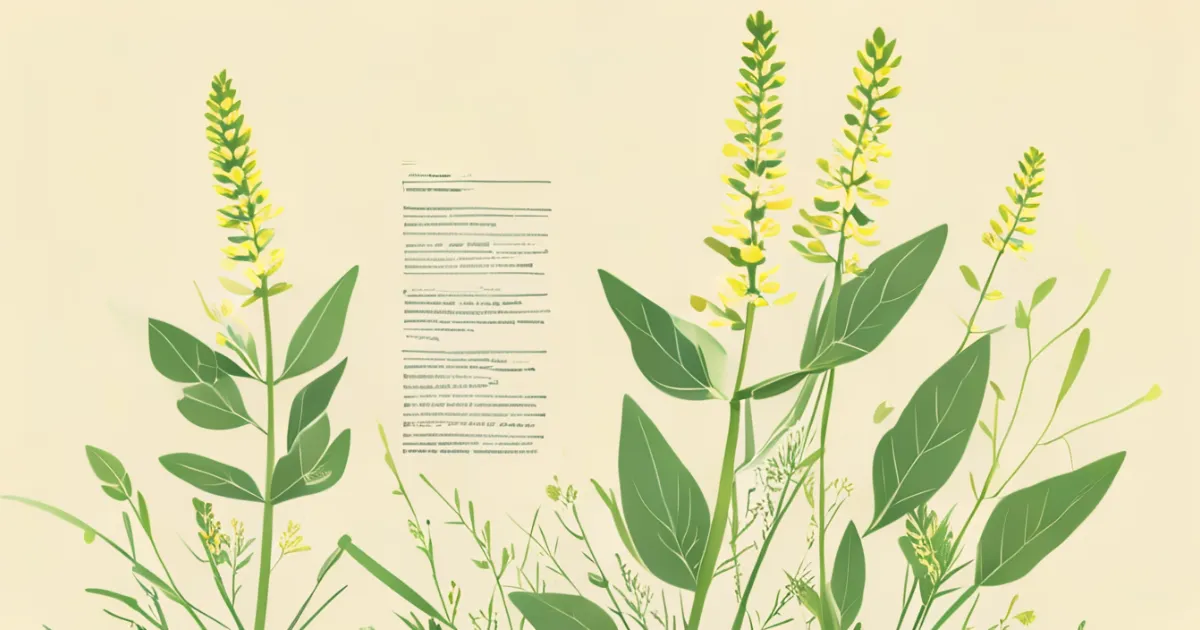
Explore the comprehensive medicinal profile of Verbascum thapsus (common mullein). Learn about its botanical characteristics, active compounds, and evidence-based therapeutic applications.
Discover the rich history and traditional uses of mullein in herbal medicine, from ancient remedies to modern applications.
The story of mullein in traditional herbal medicine spans cultures and continents, revealing a remarkable consistency in how different societies have recognized and utilized this plant's healing properties. This shared wisdom across diverse healing traditions speaks to the undeniable therapeutic value that herbalists have observed through centuries of practical application.
The comprehensive understanding of Verbascum thapsus medicinal uses begins with appreciating its botanical characteristics. The tall, stately plant with its velvety leaves and bright yellow flowers contains a complex array of beneficial compounds including saponins, flavonoids, and mucilage. These naturally occurring chemicals work synergistically to provide the herb's therapeutic effects, supporting respiratory health, reducing inflammation, and promoting tissue repair.
Traditional herbalists recognized that different plant parts served specific purposes. The leaves, with their high mucilage content, were prized for soothing irritated tissues, while the flowers offered additional antimicrobial properties. This sophisticated understanding of plant pharmacology emerged from generations of careful observation and documentation, long before modern scientific validation confirmed these traditional insights.
Throughout history, various cultures independently discovered similar uses for mullein, creating a remarkable convergence of herbal knowledge. European folk traditions prized it for respiratory support, Native American healers valued it for wound care and ceremonial purposes, and traditional Chinese medicine practitioners incorporated it into complex formulations for lung health.
These parallel discoveries demonstrate the universal recognition of mullein's healing potential across geographical and cultural boundaries. The traditional mullein herbal remedies passed down through generations reflect a deep understanding of the plant's properties and applications, refined through countless hours of practical experience and patient observation.
Traditional herbalists have always emphasized the importance of understanding mullein leaf side effects and proper usage guidelines. Historical texts consistently mention the need for careful preparation, appropriate dosing, and awareness of individual contraindications. This traditional focus on safety aligns remarkably well with modern herbal medicine practices, showing that wisdom about responsible herb use has been preserved through the ages.
The traditional approach to safety includes several key considerations: proper identification of the plant species, appropriate harvest timing, careful processing to remove fine hairs that can irritate the throat, and awareness of individual sensitivities. These time-tested safety measures continue to guide modern herbal practice, demonstrating the enduring value of traditional knowledge in contemporary applications.
The bridge between traditional wisdom and modern practice allows today's herbal practitioners to benefit from both ancient knowledge and contemporary scientific understanding. Traditional preparation methods have been refined with modern quality control standards, while historical uses are being validated through current research methodologies.
This integration creates a comprehensive approach to herbal medicine that honors tradition while embracing innovation. Modern practitioners can draw upon centuries of observational data while utilizing advanced analytical techniques to better understand the mechanisms behind traditional applications. The result is a more nuanced and effective approach to using mullein and other traditional herbs.
The transmission of traditional herbal knowledge represents a precious cultural heritage that continues to benefit modern wellness practices. Each generation builds upon the wisdom of those who came before, adding new insights while preserving core principles that have stood the test of time.
This living tradition of herbal medicine ensures that valuable knowledge about plants like mullein remains accessible and relevant for future generations. The ongoing dialogue between traditional wisdom and modern understanding creates a dynamic, evolving approach to natural health that respects the past while embracing the future.
As we continue to explore and validate traditional herbal practices, the rich heritage of mullein in natural medicine serves as a powerful reminder of nature's pharmacy and humanity's enduring relationship with healing plants. This legacy of traditional knowledge continues to inform and inspire contemporary herbal practice, offering a foundation of wisdom upon which to build future innovations in natural health.
Explore the comprehensive medicinal profile of Verbascum thapsus (common mullein). Learn about its botanical characteristics, active compounds, and evidence-based therapeutic applications.

Understand potential side effects and safety considerations when using mullein leaf. This guide covers contraindications, drug interactions, and precautions for safe herbal medicine use.
Discover time-tested traditional mullein remedies from various herbal medicine traditions. Learn historical preparation methods and cultural applications passed down through generations.