Verbascum Thapsus Medicinal Uses: Complete Plant Profile
Explore the comprehensive medicinal profile of Verbascum thapsus (common mullein). Learn about its botanical characteristics, active compounds, and evidence-based therapeutic applications.

Dylan HartSaturday, January 25, 2025
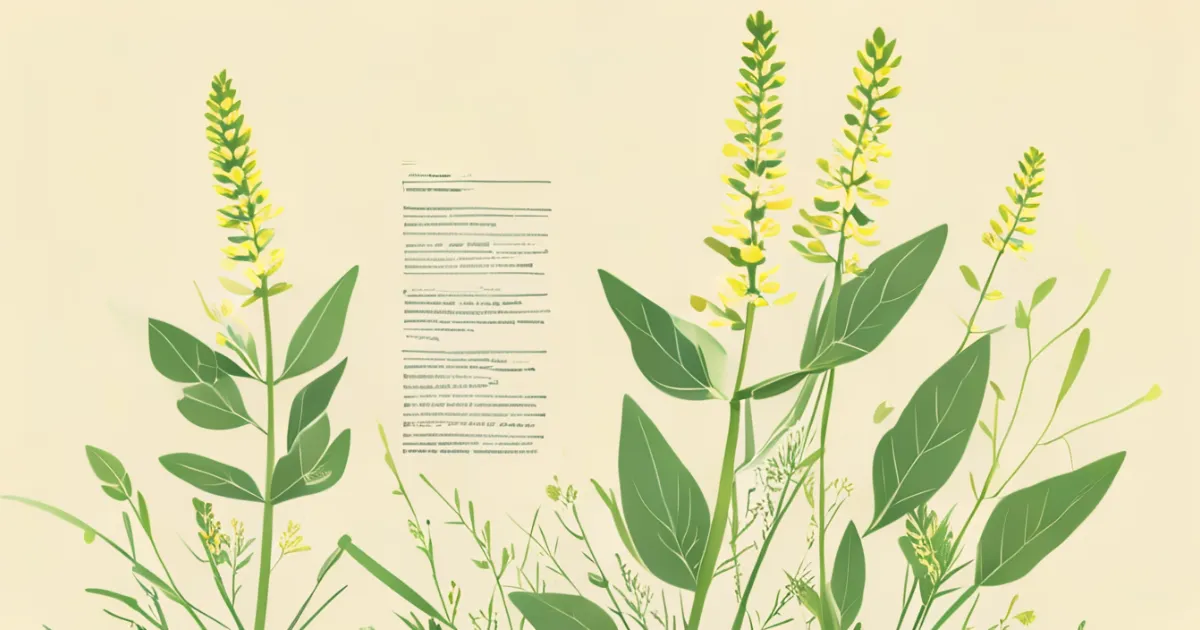
Verbascum thapsus, commonly known as mullein, stands as one of nature's most versatile medicinal plants, with a rich history spanning centuries across multiple healing traditions. This biennial herb, recognizable by its tall flowering spike and soft, velvety leaves, contains a complex profile of therapeutic compounds that make it valuable for respiratory health, skin conditions, and inflammatory concerns. The plant's scientific name reflects its botanical characteristics, while its common names throughout history—such as "lungwort" and "candlewick plant"—hint at its traditional applications.
The medicinal power of Verbascum thapsus lies primarily in its unique combination of active compounds. The plant contains mucilage, a gelatinous substance that provides soothing properties for irritated tissues, making it particularly effective for respiratory complaints. This mucilage coats mucous membranes, reducing irritation while helping to expectorate phlegm and congestion. Additionally, mullein contains saponins, which act as natural expectorants by helping to break down and clear mucus from the respiratory tract. The plant also features flavonoids and phenolic acids, including verbascoside, which contribute to its anti-inflammatory and antioxidant properties.
For respiratory wellness, Verbascum thapsus has long been a go-to remedy for various conditions affecting the lungs and airways. Traditional herbalists have used mullein tea and tinctures to address persistent coughs, bronchitis, asthma symptoms, and seasonal respiratory discomfort. The plant's demulcent properties make it especially valuable for dry, hacking coughs, while its expectorant qualities help clear productive coughs. Many people find relief from the plant's ability to soothe throat irritation while simultaneously supporting the body's natural mucus-clearing mechanisms. The gentle nature of mullein makes it suitable for both children and adults when properly prepared.
Beyond respiratory applications, Verbascum thapsus demonstrates remarkable versatility in other areas of herbal medicine. The plant's anti-inflammatory properties extend to skin conditions, with traditional preparations including mullein-infused oils for minor wounds, burns, and inflammatory skin conditions. Historical texts describe using mullein leaves as poultices for swollen joints and muscle discomfort, taking advantage of the plant's ability to reduce inflammation and provide localized relief. Some traditional practices even included using mullein preparations for ear concerns, though this application requires careful preparation and proper knowledge.
Modern research has begun to validate many of these traditional uses, with scientific studies confirming several of Verbascum thapsus's pharmacological properties. Research has demonstrated the plant's antimicrobial activity against various bacteria and fungi, supporting its traditional use in wound care. Studies on respiratory applications have shown that mullein extracts can help reduce inflammation in airway tissues, while antioxidant compounds found in the plant may help protect cells from oxidative stress. This growing body of scientific evidence helps bridge traditional wisdom with modern understanding, providing a more complete picture of how this humble plant supports human health.
The preparation methods for Verbascum thapsus medicinal applications vary depending on the intended use and the specific plant part being utilized. The leaves are most commonly used for respiratory preparations, typically dried and prepared as teas, tinctures, or capsules. Flowers, which appear in the plant's second year, are often preferred for oil infusions due to their higher concentration of certain compounds. Root preparations, while less common, have been traditionally used for different purposes than leaf or flower preparations. Understanding these different preparations helps ensure the most effective use of the plant's medicinal properties.
When incorporating Verbascum thapsus into a wellness routine, quality and sourcing become paramount considerations. Wild-harvesting requires proper plant identification to avoid confusion with look-alike species, and sustainable harvesting practices help ensure plant populations remain healthy. Commercial preparations should come from reputable sources that test for purity and potency. The timing of harvest also affects the medicinal quality—leaves are typically collected before flowering when they contain the highest concentration of beneficial compounds.
The beauty of Verbascum thapsus medicinal applications lies in their gentle yet effective nature. Unlike many pharmaceutical interventions, mullein works with the body's natural processes rather than overriding them. This supportive approach makes it particularly valuable for those seeking natural alternatives for common health concerns. Whether addressing temporary respiratory discomfort or supporting overall respiratory wellness, this humble plant offers a time-tested solution that continues to gain recognition in both traditional and modern healing contexts.
As research continues to explore the full potential of Verbascum thapsus, its role in herbal medicine remains firmly established. The combination of historical use, traditional wisdom, and emerging scientific validation creates a compelling case for including this versatile plant in natural health approaches. From soothing irritated airways to supporting skin health and reducing inflammation, mullein's medicinal applications demonstrate the remarkable healing potential found in common plants that have served humanity for centuries.