
Stay legal on your e-bike with our comprehensive state-by-state guide. Learn about registration requirements, helmet laws, and where you can legally ride.

Navigate e-bike laws, compare transportation options, and discover how folding e-bikes fit into modern urban living and commuting strategies.
Navigating the complex landscape of e-bike regulations while integrating these versatile vehicles into your daily life requires understanding both legal requirements and practical lifestyle considerations. Electric bicycles offer tremendous benefits for urban mobility, but compliance with local laws ensures safe, sustainable riding experiences.
State-by-state regulations create a patchwork of requirements that every e-bike owner should understand before hitting the road. Some states mandate registration and licensing for certain e-bike classes, while others treat them like traditional bicycles. Helmet requirements vary significantly – some jurisdictions mandate helmets for all e-bike riders, others only for higher-speed Class 3 models, and some have no helmet requirements for adults. Age restrictions typically apply to Class 3 e-bikes, with most states setting minimum age limits between 14-16 years. Understanding these variations helps avoid legal complications and ensures safe riding practices regardless of location.
Urban mobility solutions have evolved as cities adapt to increasing e-bike adoption. Many municipalities now feature designated bike lanes that accommodate electric bicycles, while some areas have specific restrictions on where different e-bike classes can operate. Multi-modal transportation becomes seamless when you understand how folding electric bikes complement public transit systems, allowing commuters to combine cycling with buses, trains, or rideshare services. These compact models solve common urban challenges like limited storage space in apartments and workplaces while providing the same health and environmental benefits as full-sized e-bikes.
Transportation choices between e-bikes and other electric mobility options depend on your specific needs and circumstances. Electric scooters offer different riding experiences and storage capabilities, while e-bikes provide superior fitness benefits and load-carrying potential. Consider factors like typical commute distance, terrain, storage requirements, and local infrastructure when selecting your primary electric mobility solution. E-bikes excel at longer distances and varied terrain, while scooters might work better for shorter, flat urban routes with ample storage options.
Lifestyle integration extends beyond basic transportation to how e-bikes transform daily routines and leisure activities. From weekend recreation trips to replacing car journeys for shopping and social activities, electric bicycles offer flexible, sustainable mobility solutions. Understanding local regulations regarding cargo carrying, passenger transport, and trail access helps maximize your e-bike's utility while remaining compliant with applicable laws.
As electric bicycle technology continues evolving and regulatory frameworks mature, staying informed about current requirements ensures you can fully enjoy the freedom and convenience e-bikes provide. Regular updates on local ordinances and participation in cycling communities help maintain compliance while advocating for improved infrastructure and reasonable regulations that promote sustainable urban mobility.
Stay legal on your e-bike with our comprehensive state-by-state guide. Learn about registration requirements, helmet laws, and where you can legally ride.
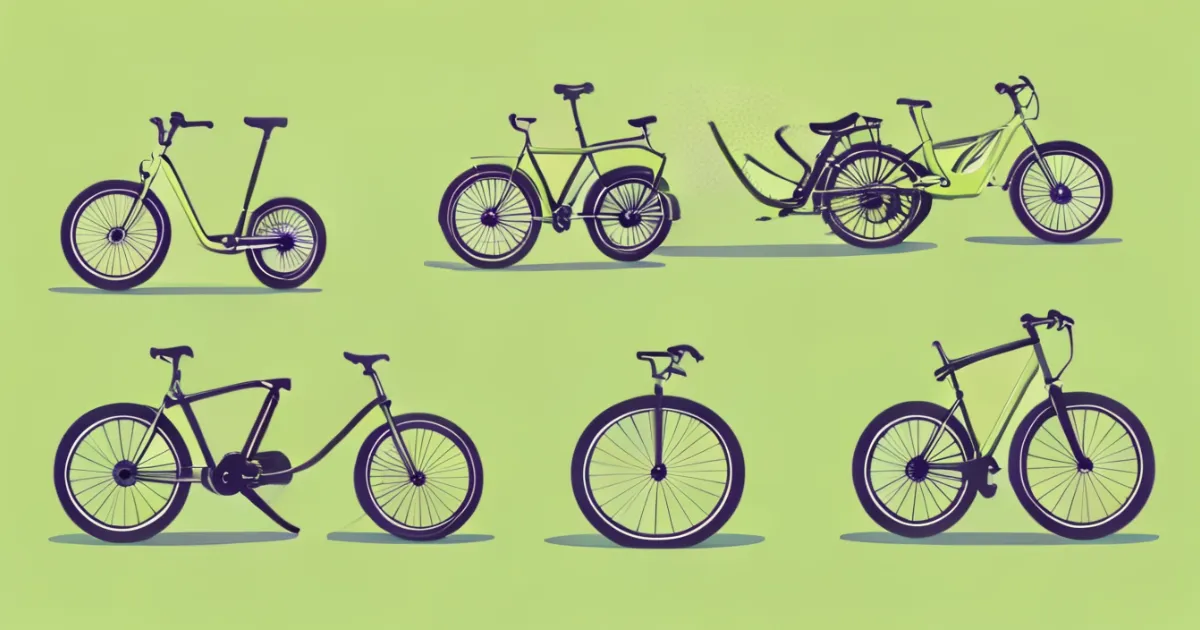
Perfect for urban apartments and mixed-mode commuting. Discover the top folding e-bikes with detailed reviews of portability, performance, and space-saving features.
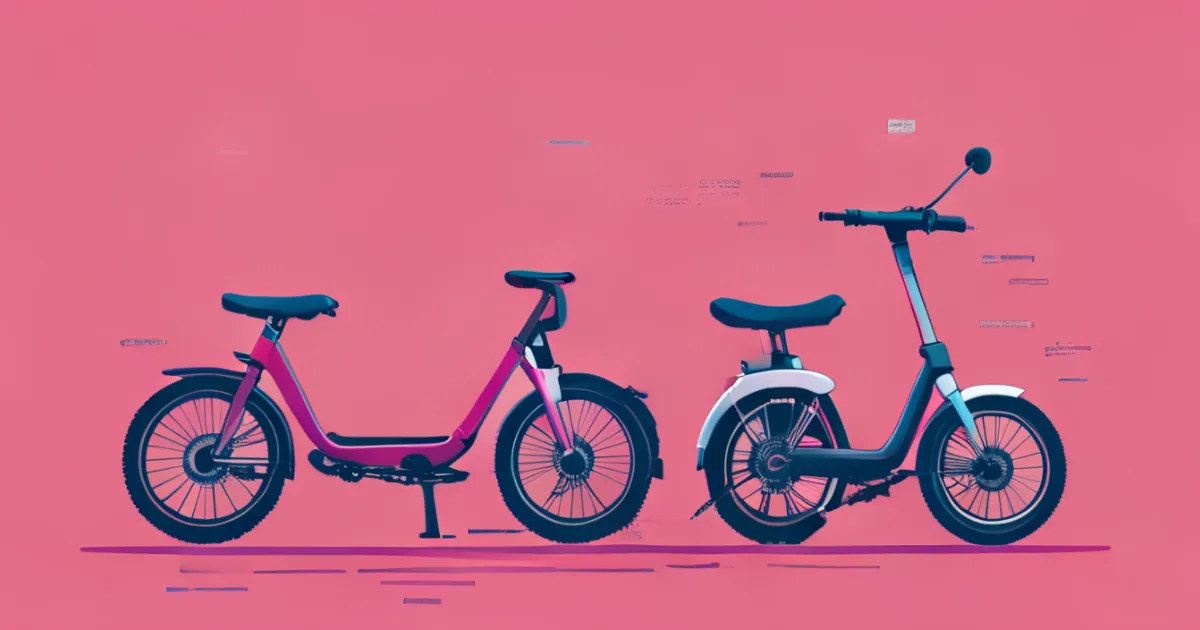
Compare electric bikes and scooters head-to-head. Learn the pros and cons of each option for commuting, cost, convenience, and fitness benefits.