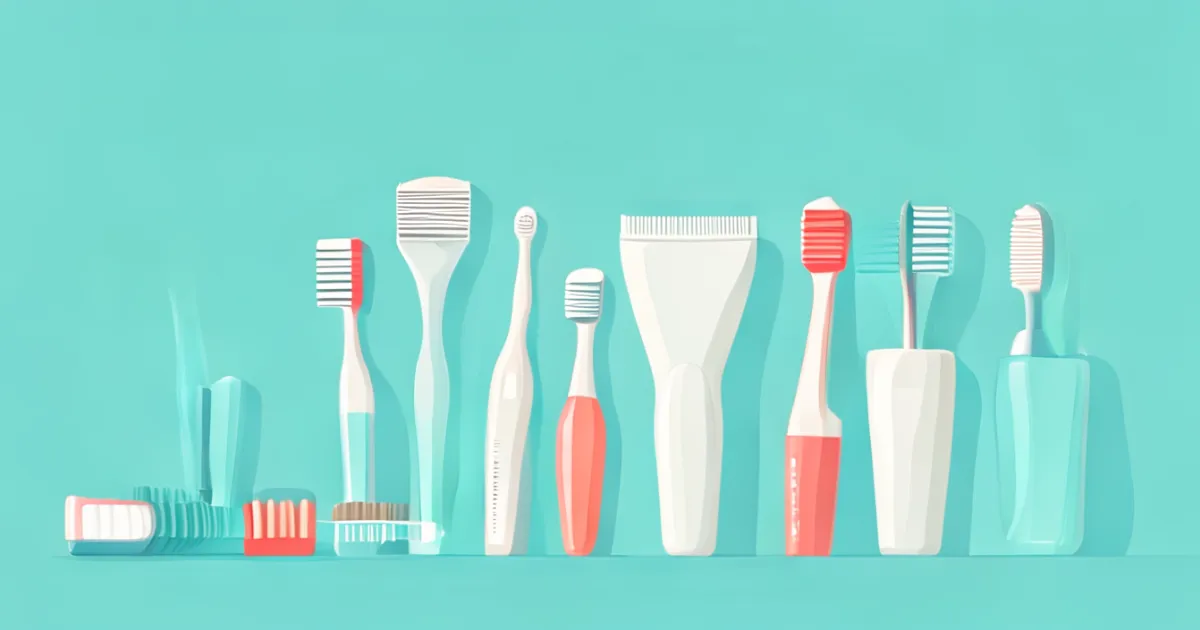
Everything you need to know about selecting and using dog dental care kits. Compare different brush types, paste formulations, and find the perfect setup for your dog's needs.
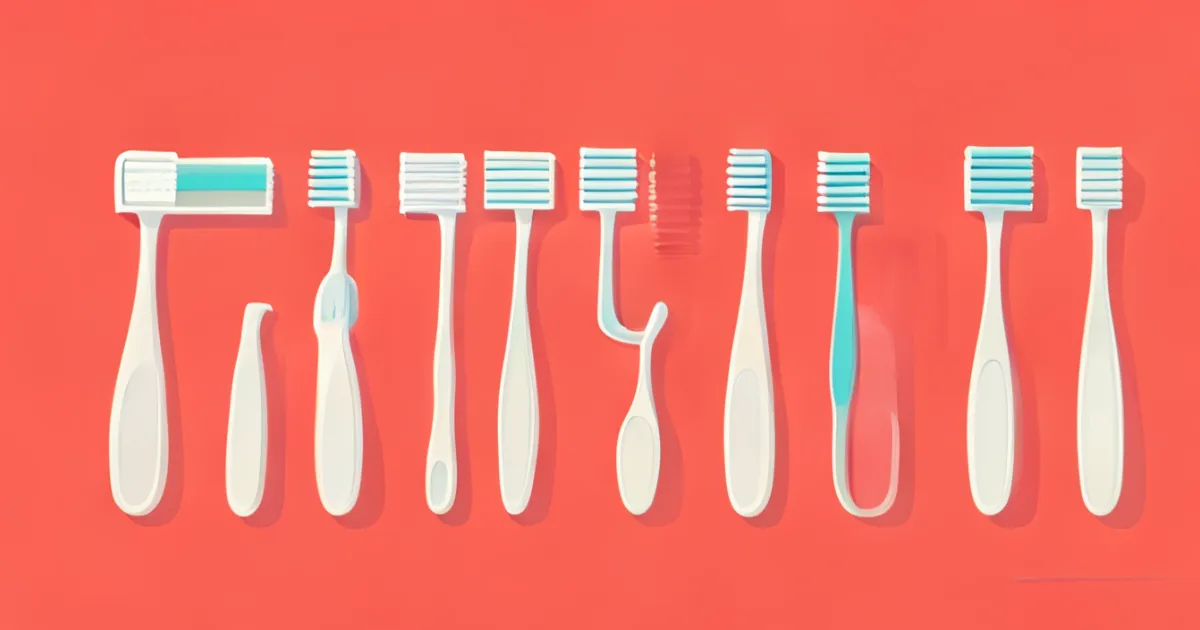
Step-by-step guides for brushing your dog's teeth, selecting the right tools, and making dental care a positive experience for both of you.
Establishing an effective dental care routine for your dog requires more than just the right products—it demands proper techniques and consistent practice. Many pet owners struggle with how to brush dogs teeth without toothpaste or face resistance from their pets during dental care sessions. Understanding proven methods and approaches can transform this daily challenge into a positive bonding experience that benefits your dog's long-term oral health.
The foundation of successful dog dental care lies in mastering proper brushing techniques. Most veterinarians recommend brushing at least 2-3 times per week, though daily brushing provides optimal results. The key is using gentle, circular motions that effectively remove plaque without causing discomfort to your dog's gums. Many pet owners find success starting with finger brushes before transitioning to traditional dog toothbrushes, as this approach allows dogs to gradually acclimate to the sensation of having their teeth cleaned.
For those wondering about alternative approaches, several effective methods exist for maintaining dental hygiene when traditional brushing isn't possible. Dental wipes, water additives, and specially designed dental chews can supplement or temporarily replace brushing sessions. These alternatives are particularly useful for dogs with sensitive mouths or those who strongly resist tooth brushing. However, they should be viewed as complementary tools rather than complete replacements for regular dental care.
Choosing the right equipment is crucial for successful dog dental care. A complete dog toothbrush and toothpaste kit typically includes everything needed to establish an effective routine, but understanding how to use each component properly maximizes their benefits. Different brush designs serve various purposes—long-handled brushes work well for larger dogs, while finger brushes provide better control for smaller breeds or dogs new to dental care.
When working with dogs who have oral sensitivities, specialized products become essential. Dog toothpaste for sensitive teeth typically features milder formulations with soothing ingredients that reduce discomfort during cleaning. These products often contain natural anti-inflammatory components and avoid harsh abrasives that might irritate delicate gum tissue. Understanding your dog's specific oral health needs helps guide the selection of appropriate tools and products.
Consistency is perhaps the most critical factor in maintaining your dog's dental health, but achieving it requires patience and strategic approach. Start slowly, introducing dental care elements gradually to avoid overwhelming your dog. Many pet owners find success associating tooth brushing with positive experiences like treats, praise, or playtime immediately afterward. This positive reinforcement helps create willing cooperation rather than resistance during dental care sessions.
The environment in which you brush your dog's teeth also impacts success rates. Choose a quiet, comfortable space where your dog feels secure, and maintain a calm, reassuring demeanor throughout the process. Some dogs respond better to dental care at specific times of day, so pay attention to your pet's natural rhythms and preferences when establishing your routine.
For comprehensive dental care solutions that work alongside proper techniques, explore our range of product reviews and comparisons. The combination of correct methods and high-quality products creates the most effective approach to maintaining your dog's oral health, ensuring fresh breath and strong teeth for years to come.
Everything you need to know about selecting and using dog dental care kits. Compare different brush types, paste formulations, and find the perfect setup for your dog's needs.
Learn about specialized toothpaste formulas for dogs with sensitive teeth, gums, or oral pain. Discover ingredients and techniques that make dental care comfortable for sensitive dogs.
When traditional toothpaste isn't an option, discover effective alternatives for cleaning your dog's teeth. Learn about water additives, dental wipes, and natural cleaning methods.