Complete Guide to Dog Toothbrush and Toothpaste Kits
Everything you need to know about selecting and using dog dental care kits. Compare different brush types, paste formulations, and find the perfect setup for your dog's needs.

Lena MartinezSunday, August 24, 2025
Starting your dog's dental care journey can feel overwhelming, but the right dog toothbrush and toothpaste kit makes all the difference. When you have the proper tools assembled in one place, you're more likely to build that consistent routine your dog's oral health deserves.
Why a Complete Kit Matters
Think about how you approach your own dental care—you wouldn't use just any brush or random paste. The same principle applies to your canine companion. A comprehensive dog dental kit isn't about having more stuff; it's about having the right stuff that works together effectively.
Most kits include a toothbrush designed specifically for canine mouth anatomy, toothpaste formulated for dogs (never human toothpaste), and sometimes additional tools like finger brushes or dental wipes. These components work as a system to remove plaque, massage gums, and make the experience positive for both you and your dog.
Choosing Your Dog's Toothbrush Style
The best toothbrush for your dog depends on their size, temperament, and your comfort level. Here's what works for most situations:
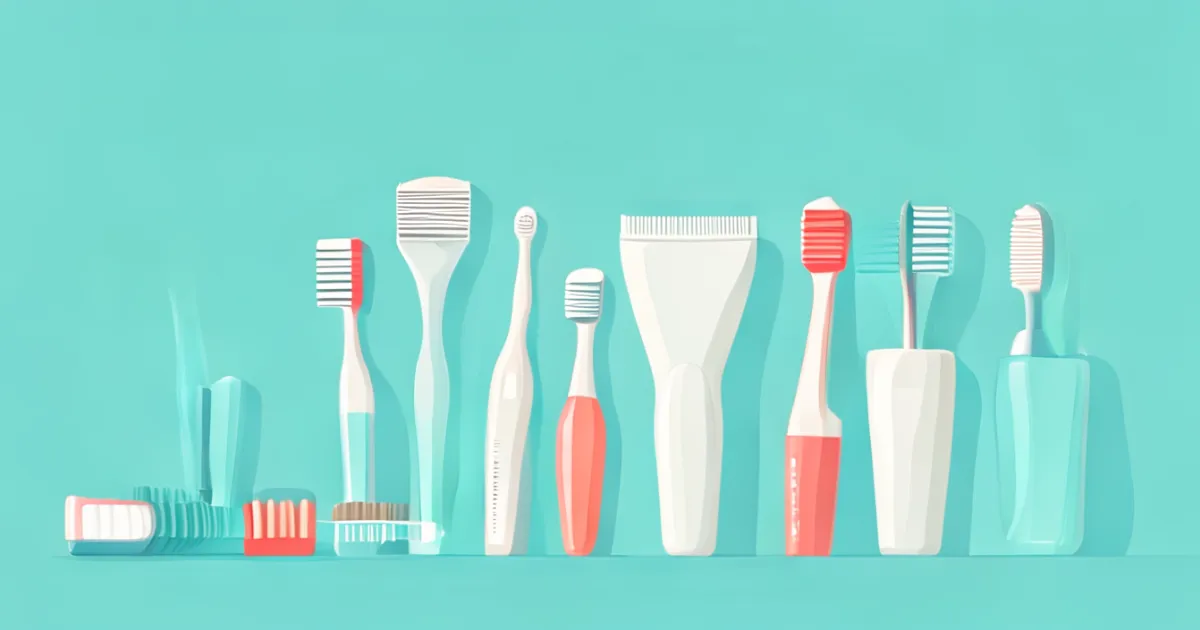
- Long-handled brushes work well for larger dogs and give you better reach to back teeth
- Finger brushes provide more control and help nervous dogs feel more comfortable with the process
- Dual-headed brushes typically have different sized bristle heads on each end, growing with your dog
Pro tip: Start with a finger brush if your dog is new to teeth brushing. The close contact helps them get used to the sensation, and you can transition to a long-handled brush later once they're comfortable with the routine.
Understanding Dog Toothpaste Ingredients
Unlike human toothpaste, dog dental products focus on plaque control through enzymes and mild abrasives rather than foaming agents and strong flavors. When selecting a complete dog dental kit, look for these gentle yet effective ingredients:
- Enzymes like glucose oxidase that break down plaque naturally
- Mild abrasives such as silica that polish teeth without harsh chemicals
- Natural flavors that make brushing enjoyable—most dogs prefer poultry or peanut butter varieties
Avoid toothpaste with xylitol, fluoride, or strong mint flavors, as these can be harmful to dogs or make them resistant to future brushing sessions.
Making the First Time Successful
Here's a gentle approach that works for most dogs:
- Day 1-3: Let your dog sniff and lick the toothpaste from your finger
- Day 4-7: Gently rub toothpaste on their teeth with your finger
- Day 8-10: Introduce the finger brush with toothpaste
- Day 11+: Transition to the regular toothbrush
Watch for signs of stress like excessive lip licking, whale eye (showing whites), or trying to back away. If you see these cues, take a break and try again tomorrow. Sometimes even 30 seconds of successful brushing is a huge win.
Building Your Routine
Consistency beats perfection every time. A quick 30-second brushing session done daily is far more effective than a perfect 5-minute session that happens once a month and stresses everyone out.
The best time to brush is when your dog is calm but not exhausted. Many dog parents find success after evening walks when their dogs are settled but not sleepy. Keep the experience positive with praise and maybe a small treat afterwards.
When to Upgrade Your Kit
Pay attention to wear and tear on your tools. Toothbrush bristles typically need replacing every 3-4 months, or sooner if you notice fraying. If your dog shows signs of sensitive teeth like reluctance during brushing or favoring one side of their mouth, consider exploring specialized gentle toothpaste options.
Some dogs benefit from rotating between different brush types—perhaps using the finger brush for quick daily touch-ups and the long-handled brush for more thorough weekly cleanings.
Storage and Maintenance
Keep your dental kit in a convenient but clean location. The bathroom cabinet works well, but any spot that's easily accessible and protected from dust will do. Rinse brushes thoroughly after each use and allow them to air dry completely to prevent bacterial growth.
If you have multiple dogs, each should have their own toothbrush to avoid cross-contamination. Toothpaste can typically be shared unless one dog has specific health conditions requiring separate products.
Bottom Line
A quality dog toothbrush and toothpaste kit is your foundation for canine dental health success. Start simple, stay consistent, and celebrate the small victories along the way. Your dog's teeth (and your vet bills) will thank you for making this gentle but important part of their healthcare routine a priority.
Remember, even dogs who initially resist brushing often come to enjoy the routine once they understand it's a regular part of their day and associate it with positive attention from you.