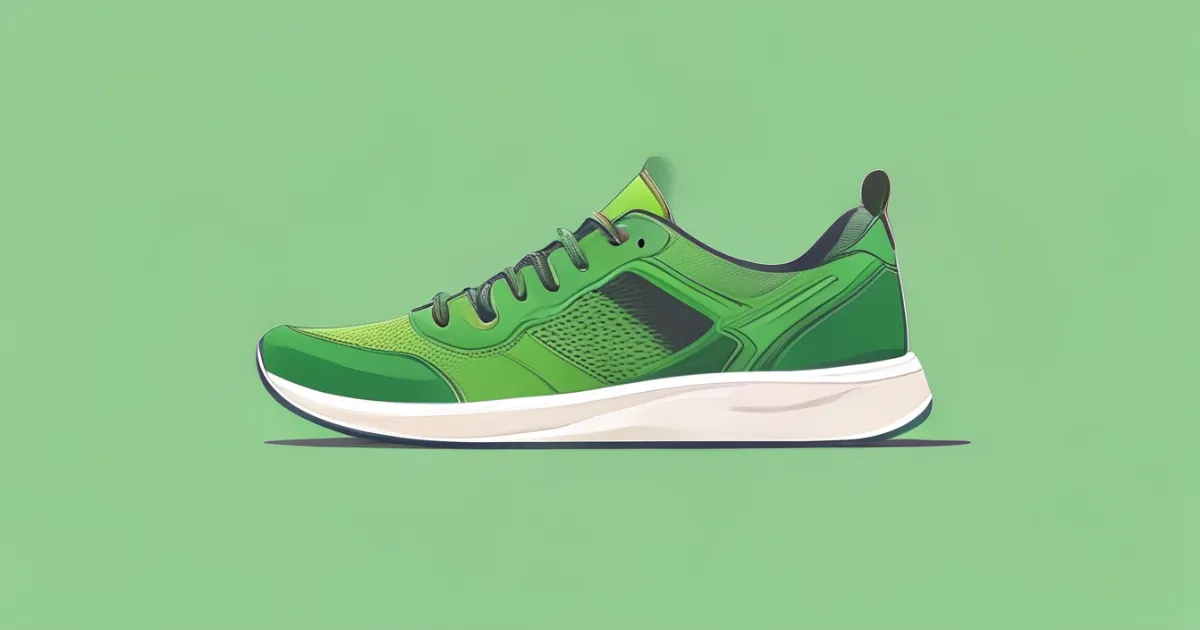
Zero Drop Running Shoes: Complete Guide to Natural Running
Discover how zero drop running shoes promote natural foot strike and improve running biomechanics. Learn about the benefits, potential challenges, and how to choose the right pair for your running style.

Amira HassanTuesday, June 17, 2025
Understanding Zero Drop Running Shoes: Natural Mechanics for Better Performance
Zero drop running shoes represent one of the most significant shifts in running footwear design over the past decade. Unlike traditional running shoes with elevated heels, these innovative shoes maintain a level platform from heel to toe, allowing your foot to function in its most natural alignment. For runners seeking to improve their biomechanics and reduce injury risk, zero drop running shoes offer a compelling alternative to conventional footwear.
The science behind zero drop footwear aligns with how humans evolved to run. Our feet are engineered to strike the ground in specific patterns that traditional shoes often disrupt. Research in biomechanics shows that elevated heel designs can alter your natural gait, potentially contributing to common running injuries. By eliminating this height differential, zero drop running shoes help restore your body's innate movement patterns.
Biomechanical Benefits of Level Platform Design
The human foot contains 26 bones and 33 joints designed to work as an intricate shock absorption system. Zero drop running shoes allow this natural architecture to function as intended. Studies have shown that runners wearing level footwear tend to adopt more natural foot strike patterns, with many transitioning from heavy heel striking to midfoot or forefoot striking.
This shift in foot strike distribution has significant implications for injury prevention. When you wear shoes with elevated heels, your body compensates by altering your posture and gait mechanics. Zero drop running shoes encourage proper alignment from foot to hip, potentially reducing stress on your knees, hips, and lower back. Many runners report decreased incidence of common ailments such as plantar fasciitis, Achilles tendonitis, and runner's knee after making the transition.
However, the benefits extend beyond injury prevention. Running in zero drop shoes can strengthen intrinsic foot muscles that often weaken from years wearing supportive, cushioned footwear. This improved foot strength translates to better proprioception—your body's awareness of its position in space—which is crucial for optimal running mechanics and injury prevention.
Understanding the Transition Process
Switching to zero drop running shoes requires patience and gradual adaptation. Your feet and lower legs need time to adjust to the increased demands placed on them. Unlike traditional running shoes that do much of the work for your feet, zero drop footwear engages muscles that may have been underutilized.
The transition period typically spans several weeks to months, depending on your running history and current fitness level. Start by wearing your new zero drop shoes for short periods during daily activities before incorporating them into your running routine. This allows your feet to adapt gradually without the additional stress of running.
When you begin running in zero drop shoes, limit your initial sessions to very short distances—perhaps just 10-15 minutes at a comfortable pace. Pay close attention to any unusual soreness, particularly in your calves, Achilles tendons, or feet. Some muscle fatigue is normal as these tissues adapt, but sharp pain signals that you may be progressing too quickly.
Choosing the Right Zero Drop Running Shoes
The market for zero drop running shoes has expanded significantly, offering options for various running styles and preferences. When selecting your first pair, consider factors such as cushioning level, toe box width, and intended use. Some zero drop shoes maintain minimal cushioning for maximum ground feel, while others incorporate more padding for longer distance comfort.
Toe box width deserves special attention. Many traditional running shoes squeeze toes into narrow, tapered spaces that can lead to deformities and restricted function. Quality zero drop running shoes often feature wider toe boxes that allow your toes to spread naturally during toe-off, improving propulsion and stability.
Your running surface also influences shoe selection. Trail runners need zero drop shoes with aggressive tread patterns and durable outsoles, while road runners might prioritize lighter weight and smoother transitions. Consider where you do most of your running and choose accordingly.
Performance Considerations and Training Adaptations
Runners often notice changes in their stride mechanics when switching to zero drop footwear. The flatter platform encourages a more natural running posture and typically results in a slight increase in cadence—the number of steps per minute. This higher cadence can reduce impact forces and improve running efficiency.
Your training approach may need adjustment during and after the transition. Some runners initially experience decreased speed as their bodies adapt to the new demands. This is temporary and usually resolves as strength and coordination improve. Focus on gradual progression rather than trying to maintain previous performance levels during the adaptation period.
Incorporate drills that emphasize proper form, such as high knees, butt kicks, and short striders. These exercises reinforce the movement patterns that work best with zero drop shoes. Additionally, consider adding foot-strengthening exercises like towel scrunches, marble pickups, and barefoot balance work to accelerate adaptation.
Common Myths and Realities
Several misconceptions surround zero drop running shoes. One prevalent myth suggests that these shoes automatically fix running form. While zero drop footwear encourages more natural mechanics, it doesn't guarantee proper form. Good running technique still requires attention to posture, cadence, and movement efficiency.
Another misconception is that zero drop shoes are only for elite or minimalist runners. In reality, runners of all levels can benefit from the improved biomechanics these shoes promote, provided they transition gradually and choose appropriate models for their needs.
The idea that zero drop shoes lack cushioning represents another outdated belief. Modern zero drop running shoes incorporate advanced cushioning technologies that provide comfort without compromising the level platform. You don't have to sacrifice comfort for natural biomechanics.
Integration with Overall Training Philosophy
Zero drop running shoes represent more than just footwear—they're part of a broader approach to natural movement and injury prevention. Consider them as one component of a comprehensive training philosophy that includes proper warm-up routines, strength training, adequate recovery, and attention to running form.
Your body's adaptation to zero drop shoes provides valuable feedback about your movement patterns. Pay attention to areas of soreness or tightness—they often reveal muscle imbalances or technique issues that need addressing. This awareness can improve your overall running technique, regardless of footwear choice.
Remember that the transition to zero drop running shoes is a journey, not a destination. The goal isn't simply to wear different shoes, but to develop more efficient, resilient running mechanics that serve you well throughout your running life. Patience, gradual progression, and attention to your body's signals will help you reap the long-term benefits of natural running movement.
For runners interested in exploring other aspects of natural footwear, understanding how zero drop principles apply beyond running can provide additional insights into foot health and movement patterns. The journey toward more natural running mechanics often leads to greater awareness of how footwear choices affect daily movement and overall wellbeing.