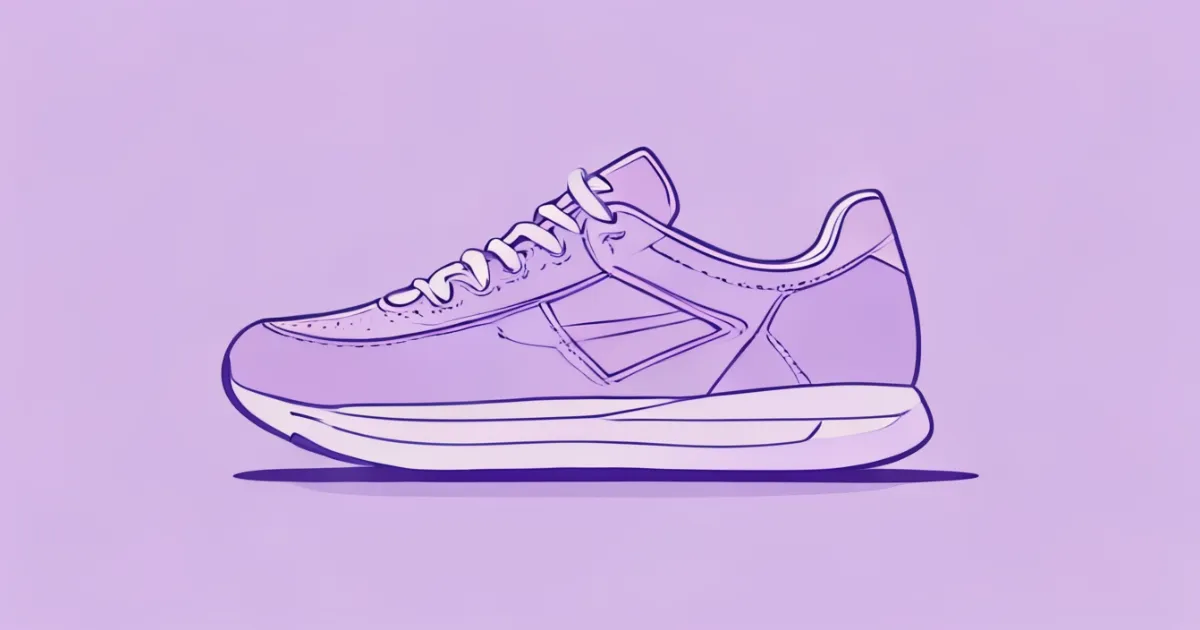
Zero Drop Minimalist Shoes: Embracing Natural Foot Movement
Explore how zero drop minimalist shoes simulate barefoot movement while providing protection. Learn about the minimalist footwear philosophy and find the best models for your lifestyle.

Lena MartinezTuesday, June 17, 2025
Zero Drop Minimalist Shoes: Your Path to Natural Foot Movement
Imagine walking through your day feeling connected to the ground beneath you, each step sending gentle feedback that strengthens your feet and improves your balance. This is the promise of zero drop minimalist shoes—footwear designed to work with your body's natural movement rather than against it. If you're curious about embracing a more natural approach to how you move through the world, you're in the right place.
Zero drop minimalist shoes represent a fundamental shift in how we think about footwear. Unlike traditional shoes that elevate your heels and restrict your foot's natural shape, these minimalist options maintain a completely level platform from heel to toe while providing just enough protection to keep you comfortable and safe. It's like giving your feet permission to move as they were designed to.
What Makes Minimalist Shoes Different
The beauty of zero drop minimalist shoes lies in their thoughtful simplicity. Traditional footwear often features heel elevation ranging from 8 to 12 millimeters, which fundamentally alters your posture and gait. This elevation forces your body into an unnatural forward lean, potentially contributing to alignment issues throughout your entire kinetic chain—from your ankles up to your hips and spine.
Zero drop minimalist shoes eliminate this height differential completely. Your heel and toes sit at the same level, allowing your feet to maintain their natural position. This alignment encourages better posture, more efficient movement patterns, and reduced stress on your joints throughout your body.
The minimalist approach extends beyond just the zero drop feature. These shoes typically offer wider toe boxes that let your toes spread naturally, flexible soles that allow your feet to bend and flex, and minimal cushioning that preserves ground feel. You'll notice the difference immediately—your feet feel more engaged, more alive, and more connected to your movement.
Starting Your Minimalist Journey: A Gentle Approach
Transitioning to zero drop minimalist shoes isn't about making dramatic changes overnight. Think of it as gradually awakening your feet to their natural potential. Start with small, manageable steps that allow your body time to adapt to this new way of moving.
Begin by wearing your new minimalist shoes for short periods during daily activities—perhaps just 30 minutes while you're doing household chores or running errands. This initial phase focuses on letting your feet and ankles adapt to the increased demands without the stress of intense activity. Pay attention to how your feet feel afterward. Some mild muscle fatigue is normal, but sharp pain means you should reduce the duration.
As your comfort grows, gradually increase wear time and incorporate light activities like walking on varied surfaces. This progression helps strengthen the intrinsic muscles of your feet that may have weakened from years in supportive, restrictive shoes. These muscles are crucial for balance, stability, and preventing common foot problems.
Understanding the Adaptation Process
Your feet have spent years adapting to traditional footwear, so it's completely natural that they need time to readjust to more minimal support. This adaptation period varies from person to person, but most people notice significant improvements within a few weeks of consistent use.
During this transition, you might experience some temporary discomfort as previously underused muscles strengthen. This is actually a positive sign—it means your feet are learning to support themselves more effectively. Think of it as strength training for your feet, similar to how your muscles might feel after starting a new exercise routine.
Listen to your body throughout this process. Some days you might need more support, and that's perfectly okay. Many minimalist shoe enthusiasts keep a pair of traditional shoes for particularly demanding days while gradually increasing their minimalist wear time. This balanced approach prevents burnout and ensures a sustainable transition.
Choosing Your First Pair of Minimalist Shoes
The world of zero drop minimalist shoes offers something for every preference and lifestyle. When selecting your first pair, consider how and where you'll primarily wear them. Are you looking for daily walking shoes, casual office footwear, or something more specialized for athletic activities?
For everyday wear, look for models that blend minimalist principles with practical comfort. These shoes typically feature flexible yet durable soles, breathable materials, and enough protection for urban environments. The goal is to maintain that ground connection and natural foot position while still providing adequate protection from the hazards of modern surfaces.
If you're interested in athletic activities, consider how different minimalist shoes perform for various sports and exercises. Running shoes prioritize flexibility and lightweight construction, while training shoes might offer slightly more stability for lateral movements. The key is choosing footwear that matches your intended use while staying true to zero drop and minimalist principles.
Beyond Footwear: Embracing Natural Movement
Zero drop minimalist shoes are part of a larger philosophy of natural movement. Once you start wearing them, you might find yourself becoming more aware of how you walk, stand, and move throughout your day. This awareness is incredibly valuable—it's the foundation for better movement patterns and improved overall health.
Pay attention to how your feet strike the ground when walking. Do you tend to land heavily on your heels, or do you roll through your foot naturally? Minimalist shoes often encourage a more midfoot or forefoot strike, which can reduce impact forces on your joints. This subtle change in walking mechanics can have profound effects on your comfort and joint health over time.
Consider incorporating barefoot time into your daily routine when safe and practical. Walking barefoot on natural surfaces like grass or sand can help strengthen your feet and improve proprioception—your body's awareness of its position in space. This complementary practice enhances the benefits you receive from wearing minimalist shoes.
Addressing Common Concerns and Questions
You might wonder if zero drop minimalist shoes are right for you, especially if you have existing foot conditions or concerns. While these shoes offer many benefits, they're not universally suitable for every situation. If you have significant foot problems or medical conditions, consulting with a healthcare professional before making the transition is wise.
Many people worry about losing cushioning and protection in minimalist shoes. Modern designs actually incorporate intelligent cushioning that provides comfort where needed while maintaining the essential zero drop profile and ground feel. You don't have to sacrifice comfort for the benefits of natural movement.
Another common concern relates to durability. Despite their minimalist appearance, quality zero drop shoes are built to last. The focus on essential features often means fewer failure points and materials that naturally age well. Proper care, including regular cleaning and allowing shoes to dry completely between wears, extends their lifespan significantly.
Integrating Minimalist Shoes into Your Lifestyle
The beauty of zero drop minimalist shoes is their versatility across different aspects of your life. You might start with a pair for casual weekend wear, then gradually expand to include work-appropriate options and specialized athletic footwear. Each application reinforces the benefits of natural foot movement while supporting your daily activities.
As you become more comfortable with minimalist footwear, you'll likely notice improvements in balance, posture, and overall foot comfort. Many users report reduced foot fatigue after long days of standing or walking, improved stability during exercise, and a greater sense of connection to how their body moves.
This journey toward more natural footwear often inspires other positive changes in how you approach health and movement. You might become more interested in posture improvement, regular movement breaks, or foot-strengthening exercises. These complementary practices enhance the benefits of your minimalist shoes and contribute to overall wellbeing.
Remember that transitioning to zero drop minimalist shoes is a personal journey that unfolds at your own pace. There's no rush to achieve perfect form or eliminate all traditional footwear from your life. The goal is finding balance—using minimalist shoes when they serve you well while maintaining other options for situations that require different features.
Your feet carry you through life's journey—they deserve footwear that supports their natural function while protecting them from the demands of modern environments. Zero drop minimalist shoes offer exactly that balance, allowing you to move with greater comfort, efficiency, and connection to your body's incredible design.