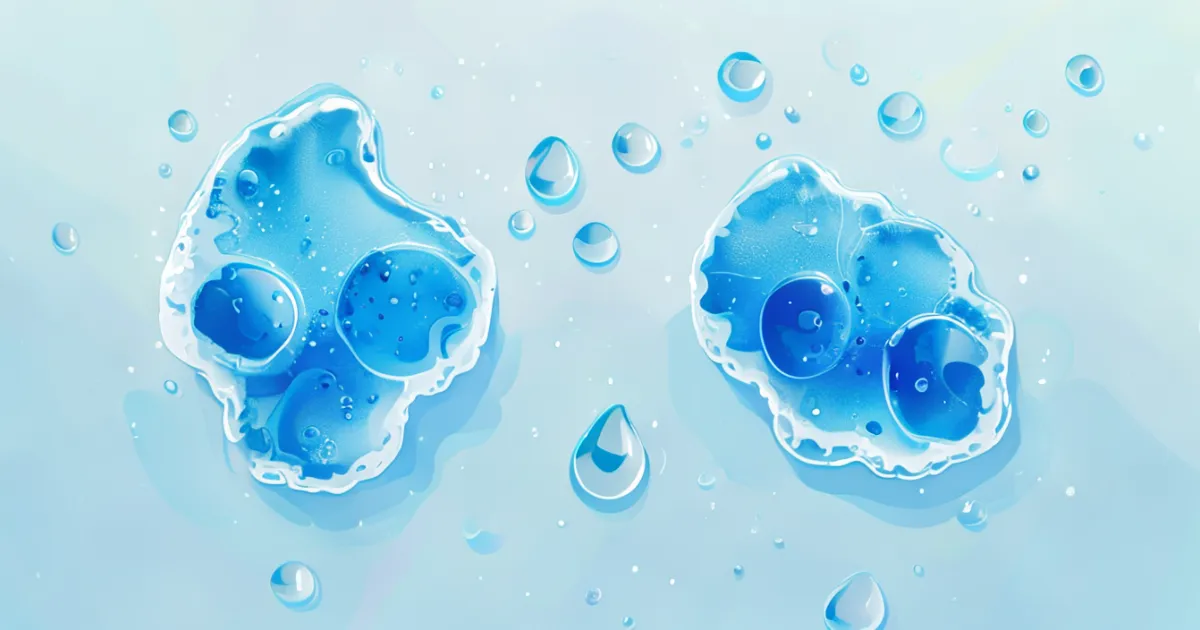
Discover why hydrogel under-eye patches are the go-to choice for instant cooling and hydration. Learn how these water-based gel patches work to reduce puffiness and refresh tired eyes.

Explore different materials and active ingredients in under-eye patches, from hydrogel to biocellulose and collagen formulations.
The world of under-eye patches has evolved significantly beyond simple skincare applications. Today's advanced formulations incorporate cutting-edge materials and potent ingredients designed to target specific concerns around the delicate eye area. From innovative hydrogel technology to premium biocellulose and collagen-infused varieties, understanding these materials helps you make informed choices for your skincare routine.
Hydrogel under-eye patches represent the most popular and accessible option in the market. These water-based gel patches provide instant cooling and hydration, making them perfect for reducing morning puffiness and refreshing tired eyes. The gel matrix effectively delivers active ingredients while maintaining comfortable contact with the skin. Many users appreciate hydrogel patches for their immediate soothing effects and versatility across different skin types.
For those seeking anti-aging benefits, collagen under-eye patches offer targeted solutions against fine lines and loss of elasticity. These specialized patches contain various forms of collagen that work to support the skin's natural structure. The science behind collagen absorption has advanced significantly, with modern formulations using hydrolyzed collagen molecules that can penetrate the skin's surface more effectively. When used consistently, collagen patches can help improve the appearance of wrinkles and promote a more youthful-looking eye area.
Biocellulose under-eye patches represent the premium segment of under-eye treatments. Originally developed for medical wound healing, biocellulose material offers superior adhesion and ingredient delivery compared to traditional hydrogel or fabric patches. This advanced technology creates a semi-permeable barrier that prevents active ingredients from evaporating while allowing the skin to breathe. Dermatologists often recommend biocellulose patches for their ability to conform perfectly to facial contours, ensuring maximum contact and optimal ingredient absorption.
The choice between different patch materials often depends on your specific skin concerns and treatment goals. Hydrogel patches excel at providing immediate cooling and hydration, making them ideal for morning use or before special occasions. Collagen-infused varieties work best for those focused on anti-aging and long-term skin improvement. Biocellulose patches, while typically more expensive, deliver superior results for intensive treatments or when you need targeted solutions for stubborn under-eye issues.
When exploring different under-eye patch options, consider how each material type aligns with your skincare concerns. The right formulation can significantly enhance your treatment results and provide visible improvements to the delicate eye area. Whether you're dealing with dark circles, puffiness, or fine lines, there's a specialized patch material designed to address your specific needs.
Beyond the patch materials themselves, the active ingredients play a crucial role in determining effectiveness. Many modern formulations combine multiple beneficial compounds like vitamin C for brightening, niacinamide for strengthening the skin barrier, and caffeine for reducing puffiness. Understanding these ingredients helps you select patches that target your specific concerns.
The synergy between patch material and active ingredients creates the foundation for effective under-eye treatments. While hydrogel provides an excellent cooling base, collagen patches deliver structural support, and biocellulose ensures optimal absorption. Each combination offers unique benefits for different skin types and concerns, making it essential to match the formulation to your individual needs for the best possible results.
Discover why hydrogel under-eye patches are the go-to choice for instant cooling and hydration. Learn how these water-based gel patches work to reduce puffiness and refresh tired eyes.

Learn how collagen-infused under-eye patches help fight fine lines and restore elasticity. Understand the science behind collagen absorption and visible anti-aging results.

Explore the advanced technology behind biocellulose under-eye patches and why dermatologists recommend them. Learn about superior adhesion and ingredient delivery for maximum results.