Last Update:6/23/2025

Plant-based Protein: Complete Guide to Nutrition & Benefits

Discover the power of plant proteins with evidence-based guides covering nutrition facts, muscle building benefits, and practical tips for incorporating them into your daily diet.

What is Plant-based Protein?

Definition, benefits, and why it matters for your health
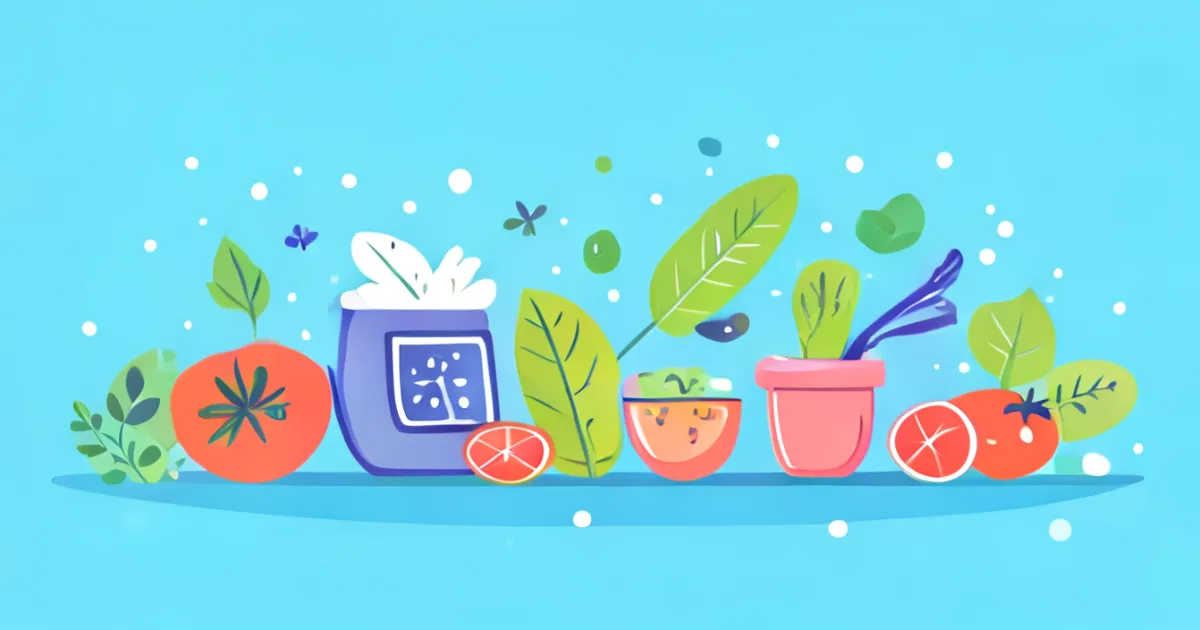
Plant-based protein sources and nutritional benefits visualization

Plant-based protein refers to protein derived from plant sources like legumes, nuts, seeds, and grains. Unlike animal proteins, plant-based proteins offer additional benefits including fiber, phytonutrients, and typically lower saturated fat content. Learn about complete plant-based protein sources and how to combine different plant foods for optimal amino acid profiles.

  • Complete amino acid profiles: When properly combined, plant proteins provide all essential amino acids—discover the best combinations
  • Enhanced muscle recovery: Plant-based proteins support muscle building and repair—read our muscle gain guide
  • Heart health benefits: Plant proteins typically contain no cholesterol and less saturated fat than animal proteins—explore the research
  • Sustainable choice: Plant proteins generally have lower environmental impact than animal proteins—learn about eco-friendly options
Compare Protein Types

Best Plant-based Protein Powders: Complete Buying Guide

Compare top-rated plant-based protein powders for muscle gain, weight loss, and daily nutrition

Choosing the right plant-based protein powder can transform your nutrition journey, whether you're building muscle, managing weight, or seeking a complete protein source for daily wellness. Our comprehensive guide features the highest-quality plant-based proteins available, each thoroughly evaluated for protein content, amino acid profile, digestibility, and overall nutritional value. From complete protein blends to specialized options like hemp and pea protein, discover the perfect plant-based protein to support your health and fitness goals.

How to Choose the Right Plant-based Protein Powder

Protein Content & Quality: Look for powders with 20-30g of protein per serving from complete amino acid sources. Check for all 9 essential amino acids, especially leucine for muscle building.

Digestion & Tolerance: Consider protein sources that work with your digestive system. Some people prefer single-source proteins like pea or hemp for easier digestion, while others tolerate blended proteins well.

Ingredient Purity: Choose powders with minimal additives, no artificial sweeteners, and organic certification when possible. Clean ingredients mean better absorption and fewer potential allergens.

Dietary Restrictions: Ensure the powder fits your specific dietary needs—vegan, gluten-free, soy-free, or allergen-free formulations are available for most preferences.

Mixability & Taste: Consider how you'll use the protein—smoothies, baking, or shakes—and read reviews about mixability and flavor profiles for your intended use.

Value & Sustainability: Compare cost per serving and consider brands with sustainable sourcing practices. Higher-quality plant-based proteins may cost more but provide better nutrition and environmental benefits.

Key Features to Compare

Protein Per Serving: Standard plant-based proteins typically contain 20-25g per scoop, while premium options like OWYN Pro Elite deliver 30g. Higher protein content means better muscle support and satiety.

Amino Acid Profile: Complete proteins provide all 9 essential amino acids. Look for blends that combine pea, rice, and other sources to achieve completeness, or choose complete sources like soy or hemp.

Added Nutrients: Many plant-based proteins include BCAAs, digestive enzymes, probiotics, or superfoods. These extras enhance recovery and gut health but may increase cost.

Sweetener Type: Natural sweeteners like stevia or monk fruit vs. artificial options affect taste and health impact. Unflavored versions offer versatility for recipes.

Certification Quality: USDA Organic, Non-GMO Project Verified, and third-party testing ensure purity and safety. These certifications indicate higher manufacturing standards.

Allergen Considerations: Common allergens include soy, gluten, and nuts. Many plant-based proteins are formulated to be free from major allergens, making them suitable for sensitive individuals.

Top-Rated Plant-based Protein Powders

Orgain Organic Vegan Protein Powder

Orgain Organic Vegan Protein Powder

Orgain's flagship plant-based protein delivers 21g of clean, organic protein from pea, brown rice, and chia seeds, providing all 9 essential amino acids for muscle building and recovery. This plant-based protein stands out with its 6g of prebiotic fiber supporting digestive health while being completely free from lactose, soy, and artificial ingredients. The smooth vanilla flavor mixes easily in shakes or oatmeal, making it perfect for daily plant-based protein supplementation.

Pros and Cons
  • proUSDA Organic and Non-GMO certified clean ingredients
  • proComplete amino acid profile with 6g prebiotic fiber
  • proFree from common allergens: dairy, soy, gluten, and lactose
  • proSmooth taste and excellent mixability in liquids
  • conLower protein content (21g) compared to premium options
  • conContains cane sugar, though only 1g per serving
  • conSome users report slight aftertaste from stevia
OWYN Only What You Need Pro Elite Vegan Protein

OWYN Only What You Need Pro Elite Vegan Protein

OWYN Pro Elite delivers an impressive 30g of complete plant-based protein per serving, making it ideal for serious athletes and those seeking maximum muscle support. This premium plant-based protein combines pumpkin seed and pea protein to provide all essential amino acids with 5.5g of naturally occurring BCAAs for enhanced recovery. The zero-sugar formula with only 2-3g net carbs supports ketogenic and low-carb diets while being completely free from common allergens including soy, dairy, and nuts.

Pros and Cons
  • proHighest protein content at 30g per serving
  • proZero sugar and low net carbs for keto-friendly diets
  • proComplete amino acid profile with 5.5g BCAAs
  • proIncludes immune-boosting vitamins and probiotics
  • conHigher price point due to premium formulation
  • conLimited flavor availability
  • conSome users find the texture slightly thicker than other brands
Optimum Nutrition Gold Standard Plant Protein

Optimum Nutrition Gold Standard Plant Protein

Optimum Nutrition brings their legendary quality to plant-based protein with 24g per serving from pea, rice, and fava bean proteins. This plant-based protein formula delivers complete amino acid support with all 9 essential amino acids and zero sugar, making it perfect for muscle building and recovery. As the world's #1 sports nutrition brand, Optimum Nutrition ensures third-party testing for banned substances, giving athletes confidence in their plant-based protein choice.

Pros and Cons
  • proFrom world's #1 sports nutrition brand
  • proBanned substance tested for athlete confidence
  • proComplete amino acid profile with 24g protein
  • proExcellent taste and mixability from premium formulation
  • conPremium pricing compared to other plant proteins
  • conContains artificial flavors
  • conLimited to basic chocolate and vanilla flavors
Vega Sport Vegan Protein Powder + Recovery

Vega Sport Vegan Protein Powder + Recovery

Vega Sport is specifically engineered for athletes, delivering 30g of plant-based protein with 5g of BCAAs and 5g of glutamic acid for enhanced muscle recovery. This plant-based protein includes tart cherry for natural recovery support and 2 billion CFU probiotics for digestive health. NSF Certified for Sport and Non-GMO Project Verified, Vega Sport meets the strict standards of competitive athletes while providing complete amino acid support from premium plant sources.

Pros and Cons
  • proNSF Certified for Sport, safe for competitive athletes
  • pro30g protein with enhanced BCAA profile
  • proIncludes recovery ingredients like tart cherry
  • proAdded probiotics support digestive health
  • conHigher price point reflecting premium athletic formulation
  • conSome users report gritty texture
  • conContains stevia which some users dislike
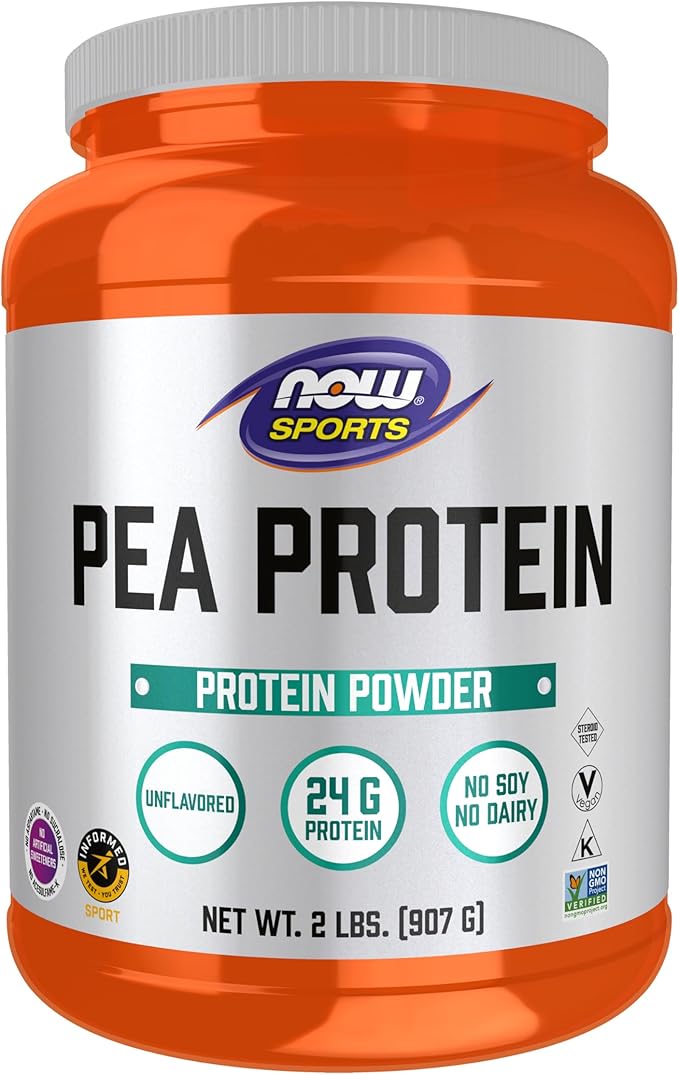
NOW Foods Pea Protein

NOW Foods Pea Protein

NOW Foods Pea Protein provides 24g of pure, easily-digested plant-based protein from non-GMO yellow peas, making it ideal for those seeking a single-source plant protein. This unflavored, unsweetened powder offers incredible versatility for adding to smoothies, baking, or savory dishes without altering taste. With over 4,200mg of branched-chain amino acids per serving and more than 2,000mg of arginine, this plant-based protein supports muscle building and recovery at an exceptional value.

Pros and Cons
  • proExceptional value for high-quality pea protein
  • proUnflavored and unsweetened for maximum versatility
  • proHigh BCAA content supporting muscle building
  • proNon-GMO and easily digestible single-source protein
  • conIncomplete amino acid profile (lacking methionine)
  • conCan be gritty if not properly mixed
  • conUnflavored taste may be too plain for some users
Ancient Nutrition Plant Based Protein+

Ancient Nutrition Plant Based Protein+

Ancient Nutrition Plant Protein+ offers a unique approach to plant-based protein with 15g per serving from organic superfood seeds and botanicals, excluding pea protein for those with sensitivities. This certified organic, vegan formula provides additional wellness benefits beyond protein, including stress support and healthy metabolism promotion. The chocolate flavor delivers rich taste without added sugar or stevia, making it an excellent choice for those seeking clean, whole-food plant-based protein.

Pros and Cons
  • proUSDA Organic and certified vegan
  • proPea-free for those with pea sensitivities
  • proNo added sugar or stevia
  • proIncludes adaptogenic superfoods for wellness benefits
  • conLower protein content at 15g per serving
  • conHigher cost per gram of protein
  • conSome users dislike the earthy taste from botanical ingredients
Dymatize Vegan Plant Protein

Dymatize Vegan Plant Protein

Dymatize Vegan Plant Protein combines 5 different plant protein sources—pea, brown rice, watermelon seed, pumpkin seed, and chickpea—to deliver a complete amino acid profile with 25g of protein per serving. This comprehensive blend provides 4.8g of BCAAs while remaining completely free from dairy, gluten, soy, and artificial colors. Naturally sweetened with stevia and monk fruit, this plant-based protein offers excellent mixability and smooth vanilla flavor at 150 calories per serving.

Pros and Cons
  • proComplete amino acid profile from 5 protein sources
  • pro25g protein with 4.8g BCAAs per serving
  • proFree from major allergens and artificial ingredients
  • proExcellent taste and mixability
  • conHigher price point due to premium blend
  • conSmaller container size (15 servings)
  • conContains stevia which some users dislike
BulkSupplements Organic Pea Protein Powder

BulkSupplements Organic Pea Protein Powder

BulkSupplements offers USDA Organic pea protein delivering an impressive 30g of plant-based protein per serving, making it ideal for serious athletes and those needing high protein intake. This pure, unflavored powder provides exceptional value with its bulk packaging options while maintaining certified organic quality. The single-ingredient formula ensures maximum purity and effectiveness for those seeking clean plant-based protein without additives, sweeteners, or artificial ingredients.

Pros and Cons
  • proHighest protein content at 30g per serving
  • proUSDA Organic certified for purity
  • proExcellent value with bulk pricing options
  • proSingle ingredient with no additives or sweeteners
  • conUnflavored taste requires mixing with other ingredients
  • conCan be difficult to mix smoothly
  • conIncomplete amino acid profile requiring complementary proteins
Sunwarrior Warrior Blend

Sunwarrior Warrior Blend

Sunwarrior Warrior Blend combines raw, organic plant proteins including peas, hemp seeds, and goji berries with MCTs from coconut for comprehensive plant-based protein support. This clean, vegan formula delivers complete amino acid profiles while being completely free from soy, dairy, GMOs, sugar, and gluten. The raw, organic ingredients preserve maximum nutritional value and enzyme activity, making this plant-based protein ideal for those seeking whole-food nutrition with added healthy fats from MCTs.

Pros and Cons
  • proRaw, organic ingredients preserve maximum nutrition
  • proIncludes MCTs for energy and brain support
  • proFree from soy, dairy, gluten, and GMOs
  • proUnique blend includes nutrient-dense superfoods
  • conLower protein content at ~15g per serving
  • conHigher price point reflecting premium organic ingredients
  • conSome users report earthy taste from raw ingredients

Final Considerations for Your Plant-based Protein Choice

The best plant-based protein powder aligns with your specific health goals, dietary restrictions, and taste preferences. For muscle building, prioritize higher protein content and complete amino acid profiles. For weight management, focus on clean, low-sugar options that provide satiety. Consider your daily routine—some proteins excel in smoothies while others work better in baking or savory dishes. Start with smaller quantities to test taste and digestibility before committing to larger sizes. Remember that while plant-based proteins offer excellent nutrition, variety remains key—rotate different sources to ensure comprehensive nutrient intake and support both your health goals and sustainable eating habits.

Protein Topics

Explore comprehensive guides covering plant-based protein nutrition, muscle building, types comparison, and practical applications for optimal wellness.

Meet Our Nutrition Experts

Health and wellness writers creating evidence-based guides for plant-based nutrition and fitness

  • Amira Hassan

    Amira Hassan

    Health journalist translating medical research into clear, daily practices.

  • Lena Martinez

    Lena Martinez

    Evidence-based wellness editor creating practical guides for busy people starting from overwhelmed.

  • Dylan Hart

    Dylan Hart

    Science correspondent making complex discoveries accessible through hands-on demos and field reporting.

Frequently Asked Questions

Get answers to common questions about plant-based protein nutrition and supplementation