
Find the best pimple patches specifically formulated for sensitive skin types. Learn which ingredients to avoid, what makes patches gentle, and how to treat breakouts without irritation.

Tailored pimple patch solutions for different skin types and acne conditions. Find the right products and techniques for your specific skin concerns, from sensitive skin to cystic acne.
Navigating the complex relationship between different skin types and acne conditions requires understanding how pimple patches interact with various skin profiles. Each skin type presents unique challenges and considerations when it comes to effective acne treatment, making personalized approaches essential for optimal results.
For those with sensitive skin, finding the right pimple patches can be particularly challenging. Traditional acne treatments often contain harsh ingredients that can trigger irritation, redness, or allergic reactions. Fortunately, modern pimple patches for sensitive skin have been specifically formulated to minimize these risks. These patches typically feature hypoallergenic adhesives, gentle hydrocolloid materials, and are free from common irritants like fragrances, parabens, and sulfates. When selecting patches for sensitive skin, look for products labeled as hypoallergenic, dermatologist-tested, or designed for reactive skin types to ensure compatibility and comfort.
The question many ask is: do pimple patches work on cystic acne? This deeper, more severe form of acne presents unique treatment challenges due to its inflammatory nature and location beneath the skin's surface. While standard hydrocolloid patches may have limited effectiveness on deep cystic lesions, specialized formulations designed for inflammatory acne can provide significant benefits. These patches often incorporate anti-inflammatory ingredients and offer thicker construction to handle the substantial fluid volume associated with cystic breakouts. For optimal results with cystic acne, combining patches with professional medical treatment often yields the best outcomes, as patches work alongside systemic treatments to accelerate healing and prevent secondary infections.
Pimple patches for oily skin represent another specialized category addressing the unique challenges of excess sebum production. Oily skin types often struggle with patch adhesion issues, as the natural oils can interfere with the adhesive properties, causing patches to slip or lose effectiveness prematurely. Modern formulations for oily skin feature enhanced adhesion technology that maintains secure placement even on highly lubricated skin surfaces. Additionally, these patches often incorporate oil-absorbing properties that help regulate sebum production throughout the treatment area, providing dual benefits of targeted acne treatment and oil control.
Combination skin types require a nuanced approach, as different areas of the face may respond differently to various patch formulations. The T-zone might benefit from oil-absorbing patches, while drier cheek areas require gentler formulations to prevent excessive dryness. Understanding your specific skin pattern and having a variety of patch types available allows for targeted treatment that addresses the diverse needs of different facial regions.
Acne severity plays a crucial role in determining the most appropriate patch strategy. Mild to moderate acne typically responds well to standard hydrocolloid patches, which can effectively absorb excess fluid and create optimal healing environments. However, severe acne cases often require more intensive approaches, combining patch therapy with other treatment modalities under professional guidance. Understanding where your condition falls on the acne severity spectrum helps you set realistic expectations and select appropriate treatment strategies.
The timing of patch application varies significantly between different skin conditions. For inflammatory acne, early intervention with medicated patches can prevent progression and reduce healing time. For comedonal acne, patches may be less effective, requiring alternative treatment approaches. Recognizing the specific type of acne you're dealing with ensures you're using the most appropriate treatment method and not wasting time on ineffective solutions.
Skin maturity also influences patch selection and application strategies. Teenage skin often experiences more frequent breakouts with different characteristics than adult acne, which may be more persistent and hormonally influenced. Understanding how age-related skin changes affect acne presentation helps tailor treatment approaches for optimal results across different life stages.
Environmental factors significantly impact patch performance and skin response. Humidity, temperature, and exposure to pollutants can all affect how well patches adhere and how effectively they treat acne. Adapting your patch strategy based on seasonal changes and environmental conditions ensures consistent results regardless of external factors.
The relationship between skin types and acne conditions continues to evolve as our understanding of dermatological science advances. New research reveals increasingly sophisticated connections between genetics, lifestyle, environmental factors, and acne presentation. This growing knowledge base allows for more personalized treatment approaches that address individual skin needs with greater precision and effectiveness.
By understanding the specific requirements of your skin type and acne condition, you can develop a targeted approach to patch therapy that maximizes effectiveness while minimizing potential irritation or adverse effects. This personalized strategy ensures that your acne treatment journey is both efficient and compatible with your unique skin profile.
Find the best pimple patches specifically formulated for sensitive skin types. Learn which ingredients to avoid, what makes patches gentle, and how to treat breakouts without irritation.
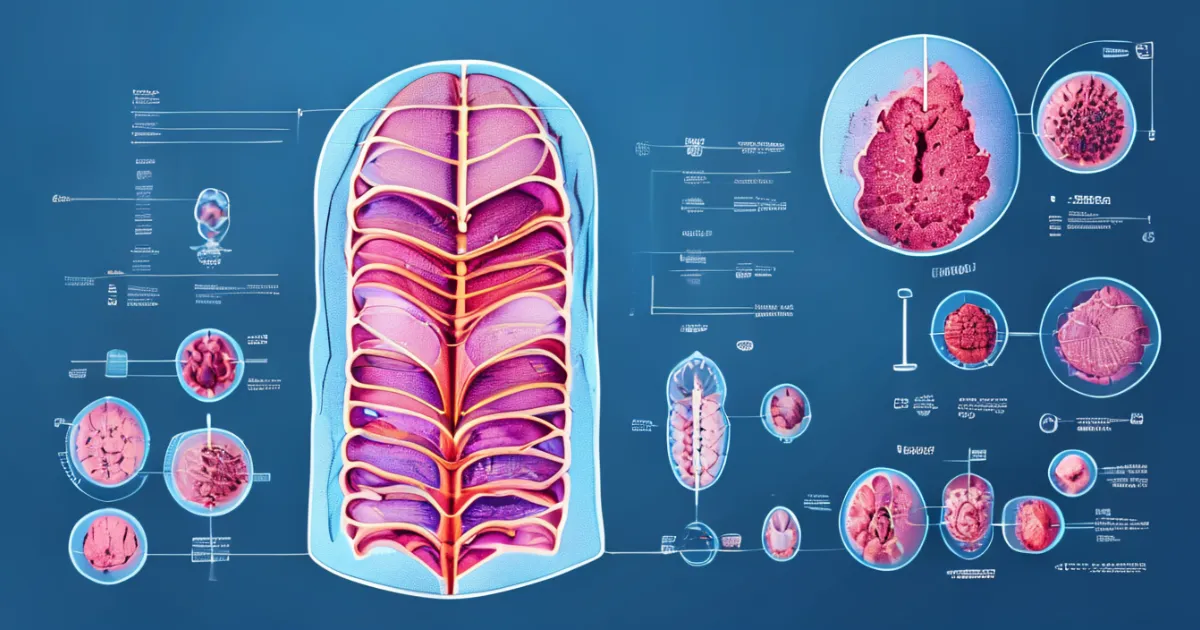
Medical perspective on using pimple patches for cystic acne treatment. Learn when patches are effective, when you need professional care, and how to integrate patches into your cystic acne management plan.
Discover the best pimple patches formulated specifically for oily skin types. Learn which materials work best with excess oil production and how to prevent patches from slipping while controlling shine.