
Detailed comparison between moss agate and dendritic agate, including formation patterns, visual differences, and value considerations.

Advanced knowledge about moss agate science, comparisons with similar stones, and technical aspects for enthusiasts.
Delving deeper into moss agate knowledge reveals a fascinating intersection of geology, crystallography, and cultural significance that distinguishes this stone from other chalcedony varieties. Understanding these advanced aspects provides collectors, researchers, and enthusiasts with a more comprehensive appreciation of moss agate's unique place in the mineral world and human history.
The comparison between moss agate vs dendritic agate represents one of the most common areas of confusion among crystal enthusiasts, yet understanding their differences is crucial for accurate identification and collection. While both stones feature tree-like inclusions, moss agate specifically displays green, moss-like patterns formed by manganese or iron oxide, whereas dendritic agate can include various colors including brown, black, or red inclusions that create branching, tree-resembling structures. The distinction affects not only their aesthetic appeal but also their perceived metaphysical properties and market values. Moss agate typically commands higher prices due to its more vibrant green coloration and stronger association with nature energies, while dendritic agate offers variety in both appearance and energetic applications.
For jewelry makers and lapidary artists, moss agate cabochon selection and working techniques require specialized knowledge that bridges geological understanding with artistic skill. High-quality cabochons showcase the stone's best characteristics: well-defined patterns, good translucency, and appropriate thickness that allows light to penetrate and illuminate the inclusions. The cutting process demands careful attention to the stone's natural structure, as improper orientation can diminish the visibility of the moss-like patterns that make these stones so distinctive. Lapidaries must also consider how the finished piece will be set, ensuring the cabochon's shape and dimensions complement the intended jewelry design while maximizing the stone's visual impact.
The cultural and historical context of moss agate birthstone zodiac associations adds another layer of depth to understanding this crystal's significance across different traditions and belief systems. While not traditionally recognized as an official birthstone in modern calendars, moss agate has been associated with various zodiac signs, particularly Virgo and Taurus, due to its earth-based energies and connection to growth and abundance. Ancient cultures valued moss agate for agricultural purposes, believing it could promote crop growth and ensure bountiful harvests. These historical associations continue to influence how the stone is used in contemporary crystal practice, with many practitioners incorporating moss agate into zodiac-specific healing or manifestation work.
From a scientific perspective, moss agate formation involves complex geological processes that create its distinctive patterns through mineral seepage into microscopic fractures within the chalcedony matrix. The green inclusions typically result from chlorite or other iron-bearing minerals that crystallize in branching formations, often mimicking plant or tree structures. This natural artistry makes each specimen unique, with no two stones displaying exactly the same pattern configuration. Understanding these formation processes helps collectors appreciate both the rarity and the natural beauty of high-quality moss agate specimens.
Market considerations for moss agate extend beyond basic supply and demand to include factors such as pattern complexity, color intensity, and overall clarity. The most valuable specimens display well-defined, intricate patterns with vibrant green coloration against a translucent base, creating striking visual contrast. Rarity also plays a significant role, with certain pattern types or color combinations commanding premium prices among collectors. For those investing in moss agate, understanding these market dynamics helps identify pieces that will maintain or increase their value over time.
This advanced knowledge of moss agate demonstrates how the stone bridges scientific understanding, practical applications, and cultural significance, creating a comprehensive field of study that continues to evolve as new discoveries and applications emerge.
Detailed comparison between moss agate and dendritic agate, including formation patterns, visual differences, and value considerations.
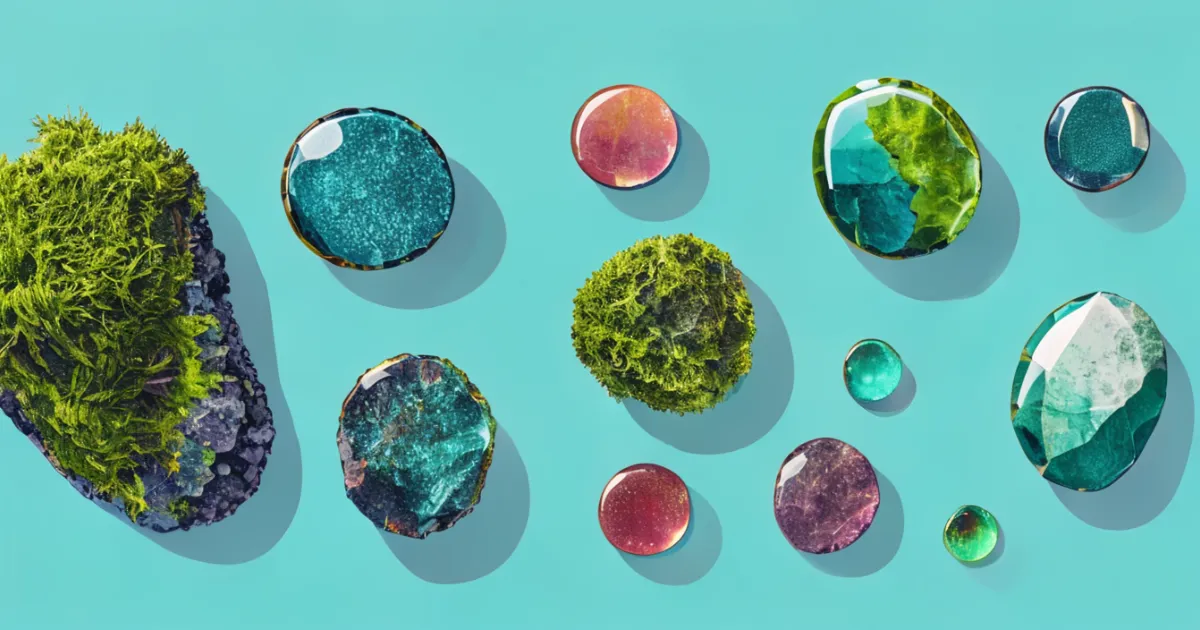
Everything you need to know about moss agate cabochons, from selecting quality stones to jewelry making techniques and applications.

Discover moss agate's role as a birthstone, its zodiac sign connections, and astrological benefits for different star signs.