
Create effective hair masks at home with simple kitchen ingredients. These budget-friendly recipes target specific hair concerns naturally.
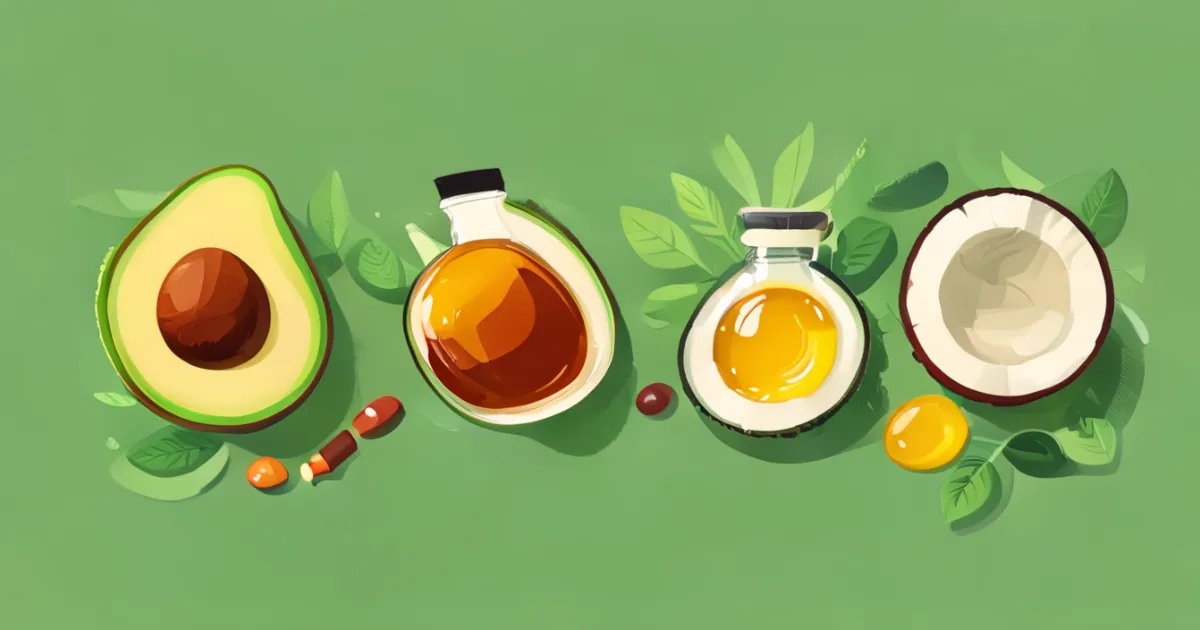
Natural homemade hair mask recipes using kitchen ingredients. Create effective hair treatments with simple, affordable ingredients.
Transform your hair care routine with simple, effective DIY hair treatments using ingredients you already have in your kitchen. Creating your own natural hair masks not only saves money but also allows you to control exactly what goes into your hair care products, avoiding harsh chemicals and synthetic additives while delivering powerful nourishment to your strands.
Making your own hair treatments at home opens up a world of possibilities for addressing specific hair concerns naturally. DIY hair mask recipes combine the wisdom of traditional hair care with modern understanding of ingredient benefits, creating formulations that can rival expensive salon treatments. These recipes leverage the natural properties of common household ingredients to deliver targeted nutrition to your hair and scalp.
The beauty of homemade hair masks lies in their versatility. You can customize formulations based on your hair type, current concerns, and seasonal needs. Whether your hair needs extra moisture, protein repair, or scalp stimulation, there's a natural ingredient combination that can provide exactly what you need. Plus, fresh ingredients retain more of their beneficial properties than products that have been sitting on store shelves for months.
Success with DIY hair care starts with understanding which ingredients work best for different hair concerns. Not all kitchen ingredients benefit every hair type equally, so learning about the properties of common homemade hair mask ingredients is essential for creating effective treatments.
Moisture-rich ingredients like avocado, banana, and honey provide intense hydration to dry, brittle hair. These ingredients contain natural oils, vitamins, and humectants that attract and retain moisture within the hair shaft. When applied regularly, they can dramatically improve softness, reduce frizz, and restore elasticity to parched strands.
Protein sources such as eggs, Greek yogurt, and gelatin help rebuild damaged hair by filling in gaps in the hair cuticle and strengthening the internal structure. Protein treatments are particularly beneficial for chemically processed, heat-damaged, or naturally weak hair that tends to break easily. However, balance is key—too much protein can make hair brittle, so these treatments should be used judiciously.
Nourishing oils including coconut, olive, and argan oil provide essential fatty acids that penetrate the hair shaft to repair damage and prevent future breakage. These oils also help seal the cuticle, reducing moisture loss and protecting against environmental stressors. The key is selecting the right oil for your hair type—lighter oils for fine hair and richer oils for coarse or very dry hair.
When your hair shows signs of severe damage from chemical treatments, excessive heat, or environmental stress, a protein hair mask for damaged hair can provide the intensive reconstruction needed to restore strength and vitality. These treatments work by delivering concentrated protein directly to the hair shaft, rebuilding its internal structure and preventing further breakage.
The most effective homemade protein masks combine multiple protein sources to provide a complete amino acid profile. Egg yolks offer biotin and fatty acids, while Greek yogurt provides lactic acid that gently exfoliates the scalp and improves protein absorption. Adding a touch of honey enhances moisture retention while its natural enzymes help repair damage.
For optimal results, apply protein treatments to clean, damp hair, focusing on the most damaged areas. Allow the mask to work for 20-30 minutes before rinsing with cool water to prevent the egg from cooking. Follow with your regular conditioner to seal the cuticle and lock in the protein benefits.
Getting started with homemade hair care doesn't require extensive investment. Most effective ingredients are probably already in your kitchen, and a few basic tools make application easy and mess-free. Keep mixing bowls, whisk, and shower caps on hand for creating and applying your treatments.
Store your homemade masks in the refrigerator between uses, but remember that fresh is always best. Natural ingredients don't contain preservatives, so make small batches that you'll use within 2-3 days. This ensures maximum potency and effectiveness while preventing bacterial growth.
The journey to healthier hair through DIY solutions starts with understanding your hair's unique needs and selecting the right ingredients to address them. Explore our comprehensive guides to DIY hair mask recipes and learn which homemade hair mask ingredients work best for your specific hair type and concerns.
Note: Always perform a patch test before trying new ingredients, especially if you have sensitive skin or allergies. If you experience severe hair or scalp issues, consult with a dermatologist or trichologist for professional guidance.
Create effective hair masks at home with simple kitchen ingredients. These budget-friendly recipes target specific hair concerns naturally.

Understand the science behind natural hair care ingredients and learn which kitchen staples provide the best results for your hair type.

Learn how protein-rich ingredients like eggs, yogurt, and gelatin can restore strength and elasticity to severely damaged hair.