Essential information for starting and maintaining a healthy gluten-free lifestyle
A gluten-free diet eliminates all foods containing gluten, a protein found in wheat, barley, rye, and their derivatives. This dietary approach is essential for individuals with celiac disease, gluten sensitivity, or wheat allergies. Beyond medical necessity, many people choose gluten-free living for potential digestive benefits and increased energy levels. Successful gluten-free living requires careful label reading, understanding hidden gluten sources, and finding suitable alternatives for favorite foods.
Learn about celiac disease diet requirements and medical management guidelines
Best Gluten-Free Cookbooks for Your Kitchen Library
Essential recipe collections that make gluten-free cooking delicious, easy, and sustainable
Building a successful gluten-free diet requires reliable resources and proven recipes that deliver consistent results. These carefully selected cookbooks represent the best guidance available for anyone transitioning to gluten-free living or looking to expand their culinary repertoire. Each book offers unique approaches to gluten-free cooking, from beginner-friendly basics to advanced baking techniques, ensuring you'll find the perfect match for your skill level and dietary needs. These essential resources provide the foundation for confident, delicious gluten-free cooking that your whole family will enjoy.
Choosing the Right Gluten-Free Cookbook for Your Needs
Selecting the ideal gluten-free cookbook depends on your cooking experience, dietary restrictions, and lifestyle requirements. Consider whether you need beginner-friendly instructions with step-by-step guidance, or if you're ready for advanced baking techniques. Think about additional dietary restrictions like dairy-free or paleo requirements, as many books now offer multiple dietary modifications. Factor in the time you have available for cooking—some books specialize in quick 30-minute meals while others focus on weekend baking projects. Also consider whether you prefer detailed nutritional information, meal planning guidance, or focus specifically on certain food categories like breads or desserts.
Key Features to Look for in Gluten-Free Cookbooks
Recipe Complexity: Look for books that match your skill level—beginner cookbooks typically feature 5-ingredient recipes and one-pot meals, while advanced books include techniques like sourdough starters and layered cakes. Consider preparation time ratings and difficulty levels provided in recipe descriptions.
Dietary Accommodations: The best gluten-free cookbooks clearly indicate recipes that are also dairy-free, nut-free, paleo, or vegan. Look for substitution charts and alternative ingredient suggestions that help adapt recipes to multiple dietary restrictions.
Educational Content: Comprehensive guides include pantry stocking lists, flour blend recipes, and explanations of gluten-free baking science. Look for troubleshooting sections that address common gluten-free cooking challenges like texture issues or rising problems.
Visual Resources: High-quality photography and step-by-step illustrations are invaluable for gluten-free cooking, where visual cues about texture and consistency are different from traditional cooking. Look for books with clear process photos and finished product presentations.
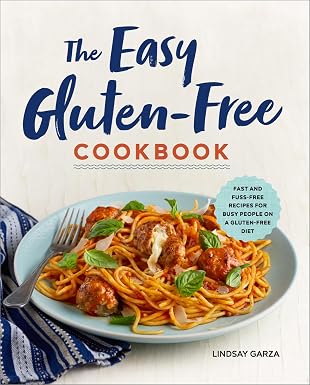
This comprehensive gluten-free diet beginner's cookbook offers exactly what new gluten-free eaters need: comforting, everyday meals that are easy to make, budget-friendly, and completely gluten-free. Features 100 no-fuss recipes including Pepperoni Pizza Bites, Garlic-Avocado Pasta, and Decadent Chocolate Cake. Each recipe includes smart meal labels indicating one-pot, 5-ingredient, 30-minute, vegetarian, nut-free, or dairy-free options. The detailed 7-day starter meal plan eliminates guesswork about what to eat during your crucial first week of gluten-free living, making this an essential resource for anyone new to the gluten-free lifestyle.
Pros and Cons
Comprehensive 7-day meal plan for beginners
Smart meal labels for dietary preferences and restrictions
Budget-friendly, accessible ingredients
Practical dining out and label-reading guidance
Basic recipes may not challenge experienced gluten-free cooks
Designed for hectic lifestyles, this gluten-free diet cookbook delivers delicious meals quickly with minimal fuss. Every recipe requires either one pot/pan, 30 minutes or less, or just 5 main ingredients, making it perfect for busy weeknights and time-crunched home cooks. Includes comprehensive gluten-free preparation guidelines and cooking tips specifically tailored for efficient meal preparation. Each recipe also provides substitution suggestions for paleo, dairy-free, nut-free, or vegan diets, making it incredibly versatile for households with multiple dietary restrictions. This cookbook proves that maintaining a gluten-free diet doesn't require hours in the kitchen.
Pros and Cons
All recipes are 30 minutes or less
Multiple dietary modification options for each recipe
One-pot and minimal-ingredient focus for easy cleanup
Comprehensive gluten-free cooking guidelines included
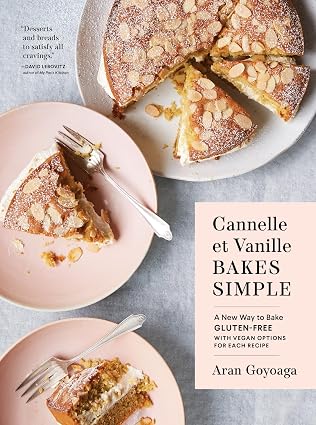
This sophisticated gluten-free diet baking book from acclaimed food blogger Aran Goyoaga showcases how uncomplicated and delicious gluten-free baking can be. Features 100 tested recipes for breads, cakes, pies, tarts, biscuits, and cookies, plus a special holiday baking chapter. Includes Aran's signature gluten-free all-purpose baking mix recipe for pantry convenience. Most recipes offer dairy-free substitutions, and many are naturally vegan as well. With 175 stunning photographs and clear, encouraging instructions, this book elevates gluten-free baking from necessity to art form, proving that gluten-free baked goods can rival—or surpass—their traditional counterparts.
Pros and Cons
Exceptional photography and styling for visual inspiration
Versatile recipes with multiple dietary modifications
Authoritative voice from established food blogger
Homemade all-purpose gluten-free flour blend recipe included
Some recipes require specialty ingredients
Focus primarily on baking rather than complete meals
From the New York Times bestselling author comes this revolutionary gluten-free diet cookbook featuring 125 recipes for the comfort foods you crave, completely free of gluten, dairy, and grains. Danielle Walker transforms favorites like fried chicken, sloppy Joes, shrimp and grits, chicken pot pie, and lasagna into healthy, allergen-free versions that the whole family will love. Includes four weeks of complete meal plans, Instant Pot and slow cooker recipes, sheet-pan suppers, and extensive make-ahead and freezer-friendly options. Features dietary classifications for egg-free, tree-nut-free, and nightshade-free dishes, plus designations for Specific Carbohydrate Diet (SCD) and Gut and Psychology Syndrome (GAPS) protocols.
Pros and Cons
Comprehensive meal plans for four full weeks
Multiple dietary accommodation classifications
Extensive make-ahead and freezer-friendly options
Transforms traditional comfort foods successfully
More expensive due to specialty ingredient requirements
Paleo approach may be too restrictive for some gluten-free eaters
Start with one comprehensive cookbook that matches your current skill level and dietary needs, then gradually expand your collection as you become more confident with gluten-free cooking. Consider how different books complement each other—some excel at quick weeknight meals while others specialize in baking or entertaining. Remember that successful gluten-free cooking often requires a learning curve, so choose books with clear instructions and troubleshooting tips. Keep track of which recipes work best for your family and dietary preferences, and don't be afraid to adapt recipes as you become more experienced with gluten-free ingredients and techniques.
Gluten-Free Living Topics
Explore comprehensive resources covering medical foundations, daily living strategies, and delicious gluten-free recipes for every occasion.
Health journalist translating medical research into clear, daily practices.
Frequently Asked Questions
Get answers to common questions about living a gluten-free lifestyle
Naturally gluten-free foods include fruits, vegetables, meat, fish, poultry, dairy products, beans, legumes, nuts, seeds, and gluten-free grains like rice, quinoa, corn, and certified gluten-free oats. Always verify processed foods for hidden gluten sources.
For celiac disease, intestinal healing typically begins within weeks but can take 6-12 months for complete recovery. Those with gluten sensitivity often notice improvements within 2-4 weeks. Consistency is crucial for optimal results and healing.
Specialty gluten-free products can be 2-3 times more expensive than their gluten-containing counterparts. However, focusing on naturally gluten-free whole foods like rice, beans, and fresh produce can keep costs reasonable while maintaining a nutritious diet.
Only certified gluten-free oats are safe, as regular oats are often contaminated with wheat during growing and processing. Even certified gluten-free oats may not be tolerated by some individuals with celiac disease due to avenin sensitivity.
Hidden gluten sources include sauces, gravies, soups, salad dressings, medications, supplements, lip balm, play-dough, and even communion wafers. Always read labels and verify with manufacturers when uncertain about a product's gluten status.
Use separate cutting boards, toasters, colanders, and cooking utensils for gluten-free food preparation. Clean all surfaces thoroughly and consider using color-coded equipment. Store gluten-free foods on separate shelves to avoid accidental contamination.
For those without medical necessity, a gluten-free diet isn't inherently healthier and may lack fiber, B vitamins, and iron if not properly planned. However, some people report improved digestion and energy levels, though individual responses vary significantly.
Yes, but requires careful planning. Research restaurants with gluten-free menus, inform staff about celiac disease or severe gluten sensitivity, ask about cross-contamination procedures, and consider dining during off-peak hours when staff can give more attention to special orders.
Celiac disease is an autoimmune disorder causing intestinal damage and requiring strict gluten avoidance. Non-celiac gluten sensitivity causes similar symptoms without autoimmune damage or intestinal changes. Both conditions benefit from gluten-free diets but medical management differs.
Focus on gluten-free whole grains like quinoa, brown rice, buckwheat, and certified gluten-free oats. Include plenty of vegetables, fruits, beans, lentils, nuts, and seeds. Consider psyllium husk or ground flaxseed as additional fiber sources if needed.