 View on Amazon
Freeze Dryer Basics & Comparisons
Essential guides for beginners comparing preservation methods and understanding what freeze drying can do for your food storage needs.
Last Update:8/24/2025
Compare equipment, discover recipes, and find the perfect freeze dryer for your kitchen. Expert reviews and tips included.
The science behind food preservation and why it matters for your kitchen

A freeze dryer removes water from food through sublimation—turning ice directly into vapor. This process preserves food's structure, nutrients, and flavor far better than traditional dehydration. Unlike a dehydrator that uses heat, freeze drying maintains food quality and extends shelf life to 25+ years when stored properly. Perfect for emergency preparedness, outdoor enthusiasts, and health-conscious home cooks who want long-lasting, nutritious food storage options.
Compare top food preservation equipment from budget dehydrators to premium freeze dryers. Find the right appliance for your kitchen and budget.
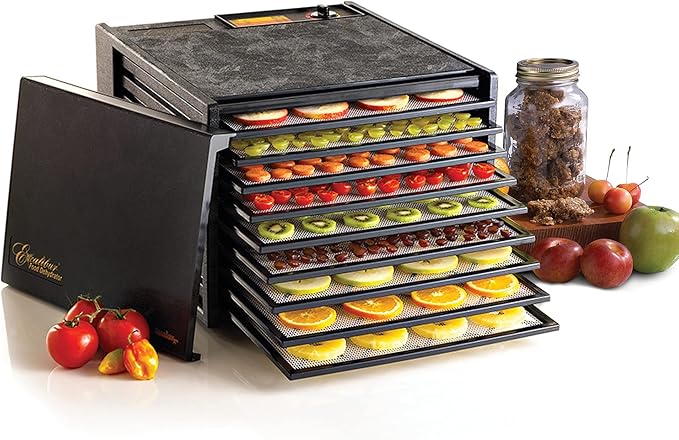
 Large 15 square foot capacity handles bulk drying projects efficientlyHorizontal airflow ensures even drying without rotating traysWide temperature range suitable for fruits, vegetables, and jerky
 Larger footprint requires significant counter spacePremium price point compared to basic dehydrator models
 Glass door allows monitoring without disturbing the drying processDigital controls provide precise temperature and timing adjustmentsStainless steel trays are durable and dishwasher safeHigher price point due to premium features and constructionSmaller capacity than 9-tray options
 Commercial-grade performance with upgraded dual-row fan technology100% stainless steel construction ensures food safety and durabilityGenerous 3-year warranty provides excellent long-term valueInitial stainless steel odor may require ventilation periodLarger size requires significant storage space
Explore our comprehensive guides covering everything from basic freeze drying concepts to advanced recipes and equipment maintenance.
Essential guides for beginners comparing preservation methods and understanding what freeze drying can do for your food storage needs.

Hands-on guides for using your freeze dryer effectively. From everyday recipes to creative DIY projects, make the most of your food preservation investment.

Make informed decisions about purchasing and maintaining your freeze dryer. Expert advice on costs, brands, and keeping your equipment running perfectly for years.
Discover our most-read articles covering essential freeze drying topics for beginners and experienced users alike
Compare freeze dryers and food dehydrators side by side. Learn the key differences in food quality, shelf life, and cost to choose the best preservation method for your needs.

Expert reviews of the best freeze dryers available in 2024. Compare features, capacity, and value to find the perfect model for your home food preservation needs.
In-depth review of Harvest Right freeze dryers. Compare models, features, and performance to determine if this popular brand is the right choice for your home food preservation.

Step-by-step guide to building a DIY freeze dryer at home. Learn the science, required components, and safety considerations for creating your own freeze drying system.

Keep your freeze dryer running perfectly with this complete maintenance guide. Learn routine care, troubleshooting tips, and when to service your equipment for optimal performance.

Start your freeze drying journey with these proven recipes. Learn to freeze dry fruits, vegetables, meals, and snacks with step-by-step instructions for perfect results every time.
Discover the advantages that make freeze dryers the superior choice for long-term food storage

Properly freeze-dried foods maintain quality for decades when stored in airtight containers, making them perfect for emergency preparedness and long-term food security.

Unlike high-heat dehydrating, freeze drying preserves up to 97% of original nutrients, enzymes, and vitamins, maintaining the nutritional value of fresh food.

Freeze-dried foods rehydrate completely in minutes, returning to their original texture, flavor, and appearance—unlike the tough, leathery texture of dehydrated foods.
Understanding the science behind superior food preservation
Food is rapidly frozen to temperatures between -40°F and -80°F, forming tiny ice crystals throughout the cellular structure. This quick freezing process creates small ice crystals that preserve the food's cellular structure, unlike slow freezing which creates large crystals that damage cell walls.
The freeze dryer creates a vacuum chamber that causes ice crystals to transform directly into water vapor through sublimation. Gentle heat (80-120°F) accelerates this process while a vacuum pump removes water vapor, removing about 95% of the food's water content over 20-40 hours.
Once drying is complete, food is quickly sealed in airtight containers with oxygen absorbers. Proper storage in cool, dark environments ensures freeze-dried foods retain nutritional value, flavor, and appearance for 25+ years.
Learn from experienced users to perfect your freeze drying technique and avoid costly errors
Packing trays too tightly prevents proper air circulation and leads to uneven drying. Leave space between items and never stack food layers. Overloading can extend cycle times by 50% or more and result in partially dried food that may spoil during storage.
Allowing freeze-dried foods to absorb moisture immediately after processing defeats the purpose of freeze drying. Always seal foods in airtight containers within minutes of removing them from the freeze dryer.
Stopping the freeze drying process before foods are completely dry is a common beginner mistake. Always verify dryness by checking that items are room temperature, brittle, and break rather than bend.
Experienced writers dedicated to helping you master freeze drying and food preservation techniques


Get answers to common questions about freeze drying equipment, techniques, and food preservation