
How specific digestive enzymes can help alleviate bloating, underlying causes, dosage recommendations, and complementary approaches for gas relief.
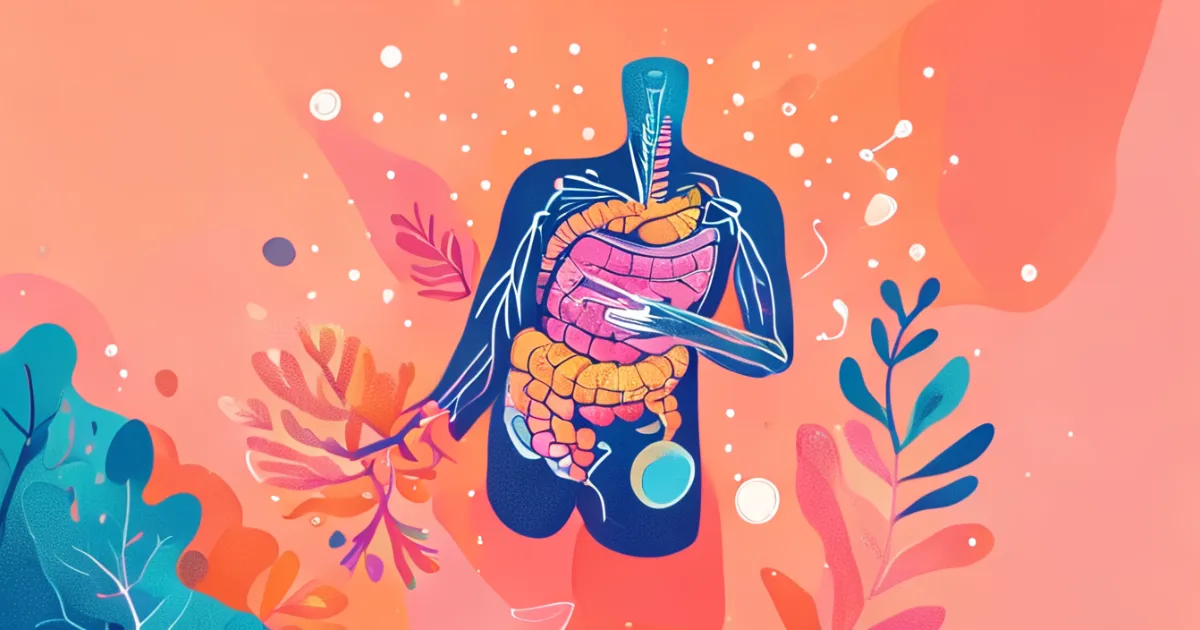
Targeted approaches using digestive enzymes for specific digestive conditions like bloating, IBS, and other gastrointestinal disorders.
Digestive discomfort manifests in various forms, and digestive enzymes for bloating represent one of the most common targeted applications for enzyme therapy. Bloating often occurs when food remains undigested in the gastrointestinal tract, where it ferments and produces excess gas. Specific enzyme combinations, particularly those containing alpha-galactosidase for breaking down complex carbohydrates and cellulose for plant fiber, can significantly reduce gas production and associated discomfort.
For individuals managing digestive enzymes for IBS (Irritable Bowel Syndrome), enzyme therapy offers a promising complementary approach to traditional symptom management strategies. Research indicates that certain enzyme formulations can help address the underlying digestive inefficiencies that often exacerbate IBS symptoms, including poor fat digestion, carbohydrate malabsorption, and protein breakdown challenges. When used as part of a comprehensive IBS management plan, enzymes may provide relief from abdominal discomfort, irregular bowel habits, and other hallmark symptoms.
The therapeutic application of enzymes extends beyond common digestive complaints to address more specific gastrointestinal conditions. Pancreatic insufficiency, for example, requires specialized enzyme formulations that compensate for reduced natural enzyme production, while conditions like lactose intolerance benefit from targeted lactase supplementation. Understanding the specific enzyme deficiencies or inefficiencies contributing to digestive symptoms enables more precise and effective treatment approaches.
Digestive enzymes for bloating work through multiple mechanisms to alleviate discomfort and promote digestive wellness. They enhance the breakdown of problematic food components, reduce fermentation in the lower digestive tract, and improve nutrient absorption efficiency. Many individuals report significant symptom improvement within hours of taking appropriate enzyme combinations, particularly when these supplements are timed correctly with meals.
The science behind digestive enzymes for IBS continues to evolve, with growing evidence supporting their role in comprehensive management strategies. Clinical studies have demonstrated that enzyme therapy can help normalize gut motility, reduce intestinal permeability, and modulate the inflammatory responses that often accompany IBS. These benefits, combined with enzymes' excellent safety profile and minimal side effects, make them an attractive option for many individuals seeking natural approaches to symptom management.
Beyond specific conditions, enzyme therapy offers benefits for general digestive wellness and prevention. Even without diagnosed digestive disorders, many people experience improved energy levels, reduced post-meal discomfort, and better overall nutritional status when incorporating appropriate enzyme support into their daily routine. This proactive approach to digestive health reflects a growing recognition of the importance of optimal digestion for overall wellness.
The effectiveness of enzyme therapy for specific conditions often depends on proper product selection, appropriate timing, and consistent use. Different conditions may require different enzyme combinations and dosages, making personalized guidance from healthcare professionals particularly valuable. Additionally, some individuals may need to experiment with various formulations to find the optimal combination for their specific symptoms and digestive patterns.
As research continues to advance our understanding of enzyme therapy applications, the potential for targeted enzyme solutions in digestive health continues to expand. From addressing common discomforts like bloating to managing complex conditions like IBS, enzymes offer a scientifically grounded, naturally derived approach to supporting digestive wellness and improving quality of life for millions of people worldwide.
How specific digestive enzymes can help alleviate bloating, underlying causes, dosage recommendations, and complementary approaches for gas relief.

Evidence-based guide to using digestive enzymes for Irritable Bowel Syndrome management, clinical research, and practical implementation strategies.