
Discover the best small ice machines for home use. Compare dimensions, capacity, and features to find the perfect compact ice maker for your space.
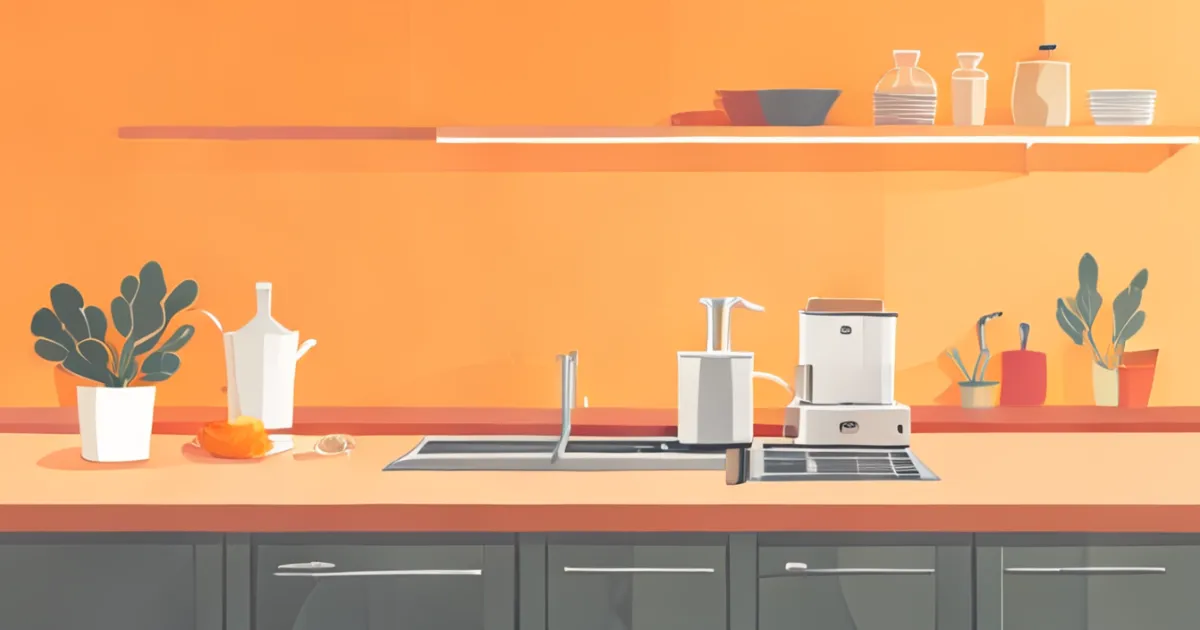
Learn about installation options, space requirements, and integrating ice makers into your home kitchen setup.
Successfully integrating an ice maker into your home kitchen requires thoughtful planning regarding space allocation, installation requirements, and how the machine complements your existing appliances and workflow. The variety of options available today – from compact countertop units to built-in under counter models – means you can find a solution that fits seamlessly into your kitchen design while meeting your household's ice production needs.
For smaller kitchens, apartments, or those with limited counter space, a small ice machine for home offers an elegant solution without sacrificing functionality. These compact models typically measure between 9-14 inches in width and height, making them perfect for placement in corners, on narrow countertops, or even on dedicated kitchen carts. Despite their reduced footprint, modern compact ice makers can still produce 20-26 pounds of ice daily while featuring storage capacities that range from 1.5 to 2.5 pounds. When planning for smaller units, consider proximity to electrical outlets and ensure adequate ventilation space around the machine – most manufacturers recommend at least 2-3 inches of clearance on all sides for optimal performance and longevity.
The under counter ice maker represents the premium option for homeowners seeking a permanent, integrated solution that matches their cabinetry and maintains a streamlined aesthetic. These built-in units require professional installation but deliver benefits that justify the investment: higher daily production capacities (typically 50-65 pounds), larger storage bins (often 25-35 pounds), and the ability to connect directly to your home's water supply. Installation considerations include water line hookups, drain requirements, and ensuring proper front-venting design that allows the unit to breathe without rear ventilation access. Many under counter models feature reversible doors and custom panel-ready fronts that blend invisibly with existing cabinet design, creating a truly custom kitchen appearance.
For the ultimate in convenience and continuous operation, an ice maker with water line connection eliminates the need for manual water refills and ensures consistent ice production. These automatic models connect directly to your home's plumbing system through a simple water line installation, typically tapping into existing refrigerator water lines or nearby sink connections. The continuous water supply means these models can produce their maximum daily capacity without interruption, making them ideal for large families, frequent entertainers, or those who simply prefer the set-it-and-forget convenience. Professional installation typically takes 1-2 hours and involves routing a water line, installing a shutoff valve, and ensuring proper drainage for the melting ice reservoir.
Beyond the physical installation considerations, think about how your ice maker will integrate with your kitchen workflow and entertaining patterns. Units placed near beverage preparation areas, outdoor access points, or entertainment spaces see more frequent use and provide greater value. Consider whether you prefer a visible, accessible countertop model for easy monitoring and ice retrieval, or a tucked-away built-in unit that maintains aesthetic continuity while providing ice through a dedicated dispenser door. Storage capacity should match your typical usage patterns – larger families benefit from higher production models with substantial storage, while casual users might prioritize compact footprint over maximum output.
The right installation approach transforms your ice maker from a simple appliance into an integrated kitchen feature that enhances both daily life and entertaining capabilities, providing fresh, high-quality ice exactly when and where you need it most.
Discover the best small ice machines for home use. Compare dimensions, capacity, and features to find the perfect compact ice maker for your space.
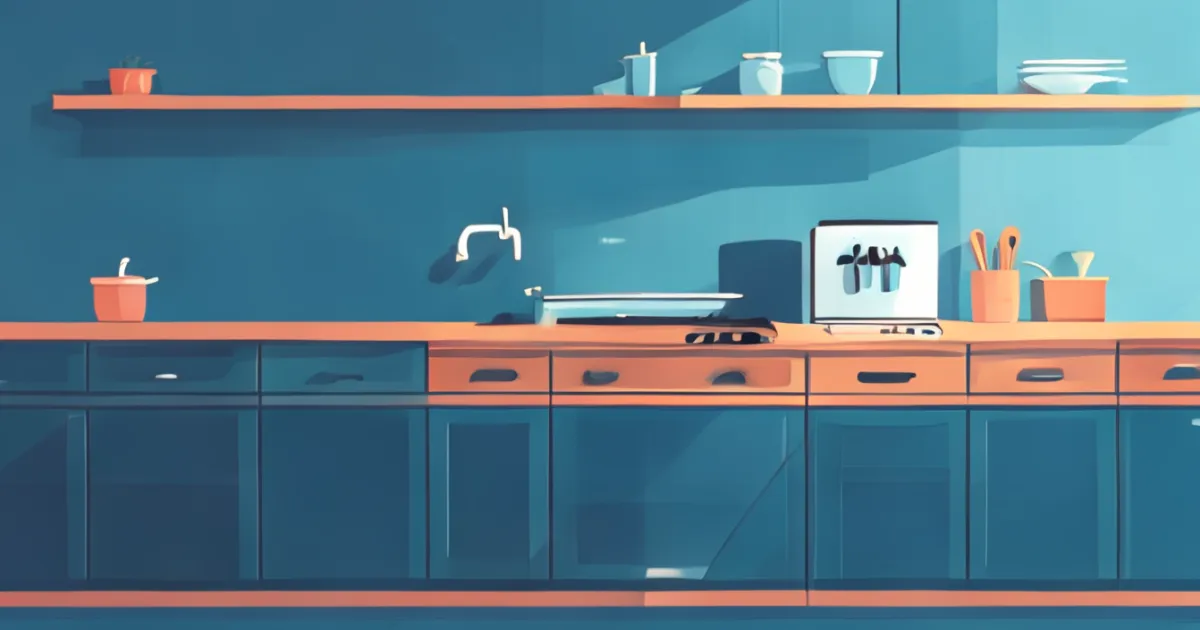
Complete guide to under counter ice makers. Learn about installation requirements, ventilation, space planning, and the best models for built-in applications.
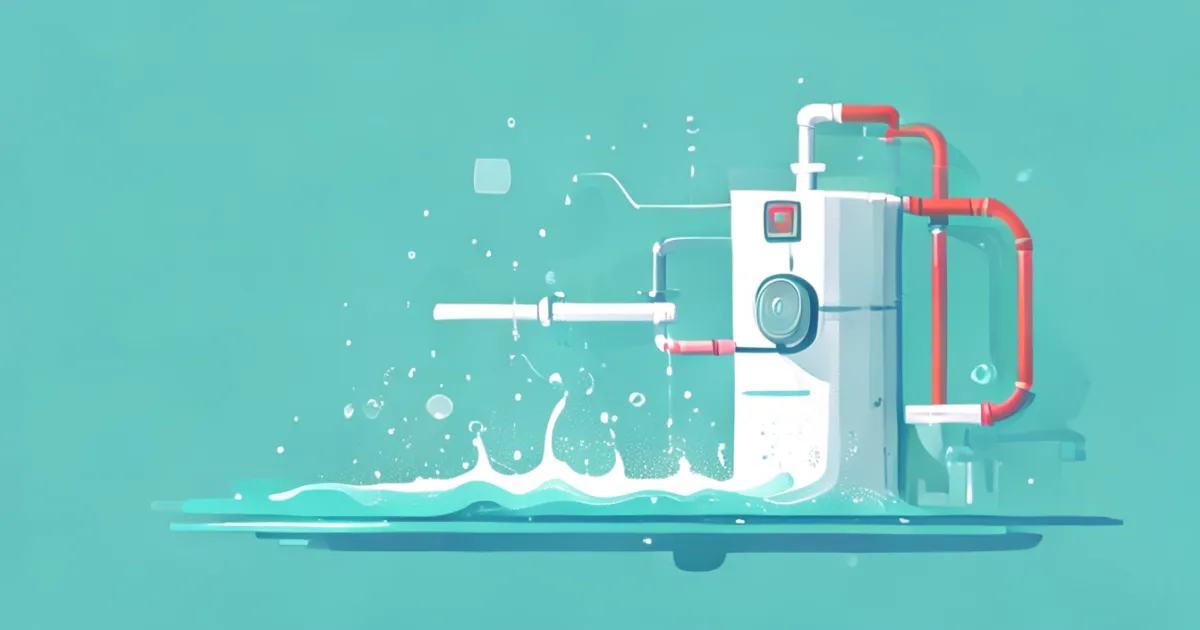
Learn about ice makers with water line connections. Compare manual fill vs. direct water line models, installation process, and long-term convenience benefits.