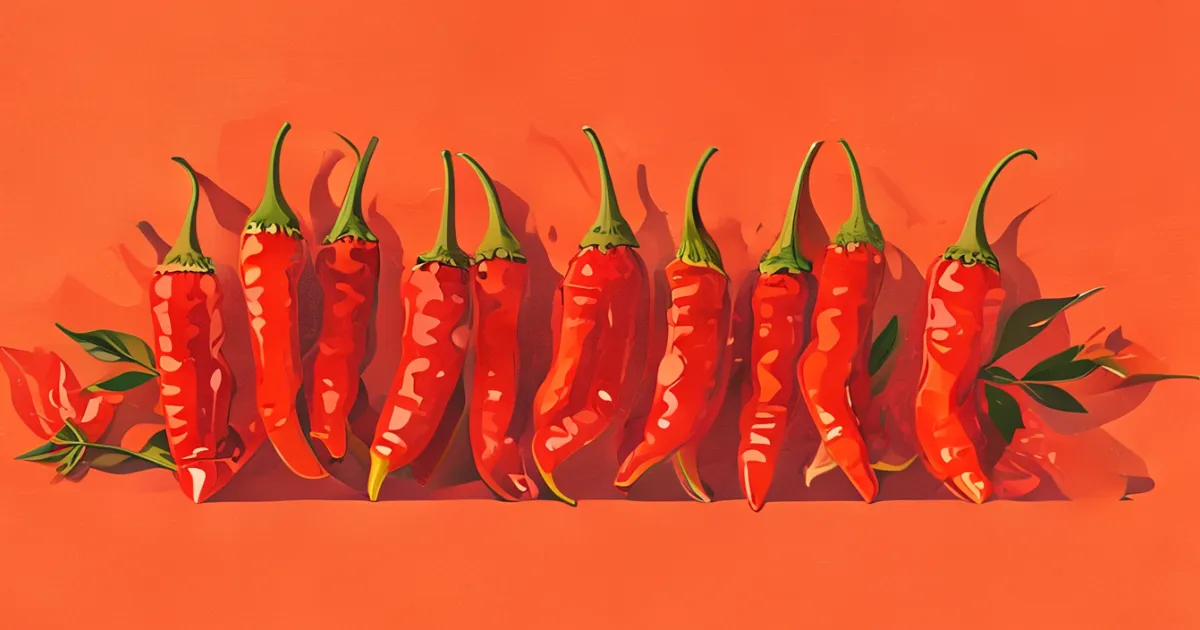
Guide to Dried Calabrian Chilies & Their Uses
Everything you need to know about dried Calabrian chilies, from selecting the best quality to rehydrating techniques. Discover how dried chilies differ from fresh ones and learn authentic preparation methods for maximum flavor.

Dylan HartWednesday, June 18, 2025
Mastering Dried Calabrian Chilies: Selection, Preparation, and Culinary Applications
Dried Calabrian chilies represent the essence of Southern Italian cuisine—concentrated flavor, preserved heat, and unmatched versatility in the kitchen. Unlike their fresh counterparts, these dried specimens undergo a transformation process that intensifies their natural characteristics, creating a pantry staple that can elevate dishes from simple to spectacular. Understanding how to select, prepare, and use dried Calabrian chilies opens up a world of culinary possibilities that honor centuries of Italian preservation traditions.
The drying process is both science and art, requiring careful attention to timing, temperature, and environmental conditions. Traditional Calabrian producers hang fresh chilies in well-ventilated areas away from direct sunlight, allowing gradual moisture removal that preserves the peppers' essential oils and flavor compounds. This slow drying method distinguishes authentic Calabrian chilies from commercially mass-produced alternatives, resulting in products with superior complexity and depth.
Selecting Premium Dried Calabrian Chilies
When choosing dried Calabrian chilies, visual inspection provides crucial quality indicators. Authentic varieties should display deep, uniform red coloration without brown spots or fading—a sign that they were properly dried and stored. The peppers should feel slightly pliable rather than brittle, indicating they retained some essential oils during the drying process. Avoid chilies that appear dusty or have white patches, which may indicate mold growth or improper storage.
Size and shape also reveal quality information. Traditional Calabrian varieties typically measure 2-4 inches in length with a characteristic curved shape. Premium dried chilies often retain their natural stem, which helps maintain the pepper's structure during drying and storage. The aroma should be distinctly peppery with subtle smoky undertones, never musty or dusty. When possible, purchase from vendors who can provide information about harvest dates and drying methods.
Rehydration Techniques and Methods
Before incorporating dried Calabrian chilies into recipes, proper rehydration ensures optimal flavor development and texture. The basic rehydration method involves soaking chilies in warm water for 20-30 minutes, which restores their pliability and reawakens dormant flavor compounds. Use enough water to completely submerge the peppers, and consider adding a splash of vinegar to the soaking liquid to enhance flavor extraction.
For more intense flavor, try the toasting method before rehydration. Briefly dry-toast the chilies in a skillet over medium heat for 30-60 seconds per side until they become fragrant. This additional step caramelizes the peppers' natural sugars, adding complexity to their flavor profile. After toasting, proceed with standard rehydration. Always discard the soaking liquid unless specifically using it in recipes, as it may contain bitter compounds from the pepper skins.
Grinding into Flakes and Powders
Transforming whole dried Calabrian chilies into flakes or powders creates versatile seasoning options for various culinary applications. The grinding method significantly impacts the final product's texture and flavor intensity. For coarse flakes with robust texture, pulse briefly in a spice grinder or crush with a mortar and pestle. For finer powders, grind longer while being careful not to overheat the spices, which can diminish their volatile oils.
When grinding dried chilies, work in small batches to ensure uniform consistency. For best results, lightly toast the chilies before grinding to develop deeper flavor notes. Store ground Calabrian chili in airtight containers away from light and heat, where they'll maintain potency for up to six months. Consider adding a few grains of rice to the container to absorb moisture and prevent clumping, especially in humid environments.
Culinary Applications and Recipe Integration
Dried Calabrian chilies shine in countless Italian and Mediterranean dishes, providing consistent heat and complex flavor. Traditional Italian pasta sauces benefit from their addition, as the dried peppers infuse sauces with gradual heat that builds without overwhelming other ingredients. Simply add whole rehydrated chilies to simmering tomato sauces, allowing them to steep for at least 30 minutes before removing.
Beyond Italian cuisine, dried Calabrian chilies enhance marinades, rubs, and spice blends for meats and vegetables. Their fruity heat profile complements beef, pork, and chicken particularly well. Create a quick seasoning by grinding dried chilies with garlic powder, oregano, and sea salt for an all-purpose Italian seasoning blend. The dried peppers also excel in oil infusions, where they slowly release their flavor into olive oil over several weeks.
Preservation and Storage Best Practices
Proper storage maintains dried Calabrian chilies' quality and prevents spoilage. Airtight glass containers stored in cool, dark locations provide optimal conditions, preserving both flavor and heat levels. Avoid plastic bags or containers, which can allow moisture penetration and flavor degradation. If possible, store different varieties separately to prevent cross-contamination of flavors.
For long-term storage, vacuum-sealing extends shelf life significantly by removing oxygen that can cause flavor deterioration. Monitor stored chilies regularly for signs of moisture or mold development, especially in humid climates. When stored properly, dried Calabrian chilies can maintain their quality for up to two years, though they'll gradually lose some potency over time. Always use dry utensils when removing chilies from storage containers to prevent moisture introduction.
Health Benefits and Nutritional Value
Dried Calabrian chilies offer numerous health benefits beyond their culinary appeal. They contain capsaicin, the compound responsible for their heat, which has demonstrated anti-inflammatory and metabolism-boosting properties. The concentration process increases capsaicin levels relative to fresh chilies, making dried varieties more potent sources of this beneficial compound.
Additionally, dried Calabrian chilies provide essential vitamins and minerals, including vitamin C, vitamin A, and potassium. The drying process concentrates these nutrients, though some vitamin C content is lost during dehydration. Regular consumption of moderate amounts of dried Calabrian chilies may support cardiovascular health and provide antioxidant benefits. However, individuals with digestive sensitivities should introduce these peppers gradually into their diet.
Regional Variations and Traditional Uses
Calabrian cuisine features distinct regional variations in dried chili preparation and use. Some mountain communities smoke-dry their chilies over hardwood fires, creating uniquely flavored products with intense smoky undertones. Coastal regions often sun-dry chilies on rooftops, benefiting from Mediterranean breezes that facilitate even moisture removal.
Traditional Calabrian families maintain their own drying methods and blends, often passing techniques through generations. Some regions prefer partially dried chilies (known as sott'aceto when preserved in vinegar), while others value fully dried specimens for long-term storage. Understanding these regional differences helps appreciate the cultural significance of dried Calabrian chilies beyond their culinary applications.
The journey through dried Calabrian chilies reveals a sophisticated preservation tradition that transforms fresh peppers into intensely flavorful ingredients. By mastering selection, preparation, and storage techniques, home cooks can access authentic Italian flavors year-round, regardless of seasonal availability. Whether ground into powders, rehydrated for sauces, or used whole in infusions, dried Calabrian chilies remain indispensable ingredients for anyone serious about Mediterranean cuisine.