
Discover the exact Scoville rating of Calabrian chilies and how they compare to other popular pepper varieties. Learn about their heat profile, flavor characteristics, and how to use them effectively in your cooking.

Understanding Calabrian chilies, their heat levels, varieties, and place in Italian cuisine.
Calabrian chilies represent a fascinating intersection of botany, culinary tradition, and cultural heritage. These iconic Italian peppers, scientifically classified as Capsicum annuum, have evolved unique characteristics that make them indispensable in Mediterranean cuisine. Understanding their botanical profile, heat measurements, and regional variations provides deeper appreciation for their role in authentic Italian cooking.
The Calabrian chili Scoville units typically range from 25,000 to 40,000 SHU, placing them in the medium-hot category that's accessible yet impactful. This heat level strikes an optimal balance—noticeable warmth without overwhelming the palate or masking other flavors. The Scoville scale, developed by pharmacist Wilbur Scoville in 1912, measures capsaicin concentration, the compound responsible for the burning sensation. Calabrian chilies' moderate heat makes them versatile for various cooking applications, from subtle background warmth to prominent spicy notes.
Traditional Diavolicchio Calabrese varieties represent the authentic regional cultivars that have been cultivated for generations in Calabria. These small, cone-shaped peppers typically grow 2-3 inches in length and develop from green to vibrant red as they mature. The name "Diavolicchio" translates to "little devil," referencing both their potent heat and their importance in Calabrian culinary tradition. Local farmers have selected specific traits over centuries, resulting in peppers with consistent heat levels and distinctive fruity undertones that set them apart from other Italian varieties.
When comparing the Calabrian chili vs ghost pepper, the differences extend beyond mere heat measurements. While ghost peppers (Capsicum chinense) can reach over 1 million SHU, their flavor profile tends toward intense, immediate heat with limited complexity. Calabrian chilies, by contrast, offer a more nuanced experience—initial heat gives way to subtle sweetness, smoky notes, and a lingering warmth that complements rather than dominates dishes.
The chemical composition of Calabrian chilies includes not just capsaicin but also related compounds like dihydrocapsaicin and nordihydrocapsaicin, each contributing different aspects of the heat experience. These compounds interact with TRPV1 receptors in the mouth and throat, creating the sensation of burning. The balanced combination of these compounds in Calabrian varieties results in a heat that builds gradually rather than striking immediately.
Climate and soil conditions significantly influence the pepper's development. The volcanic soils and Mediterranean climate of Calabria create ideal growing conditions, contributing to the peppers' distinctive flavor profile. The intense sunlight and moderate humidity promote proper capsaicin development while preventing excessive bitterness. Understanding these environmental factors explains why authentic Calabrian chilies taste different from similar varieties grown elsewhere.
Botanical classification places Calabrian chilies within the broader Capsicum annuum species, which includes many common peppers like bell peppers and jalapeños. However, selective breeding and regional adaptation have produced unique characteristics specific to Calabrian cultivars. These include thicker walls for better preservation, higher natural sugar content for flavor complexity, and consistent pod development suitable for both fresh use and drying.
Understanding these scientific and botanical aspects enhances culinary application and appreciation. Knowing the precise heat level helps with recipe development, while familiarity with flavor compounds allows for better pairing with complementary ingredients. This knowledge transforms cooking from following recipes to creating innovative dishes that showcase these remarkable peppers at their best.
Apply this scientific understanding in our culinary techniques section or explore practical aspects of sourcing quality peppers for your own kitchen experiments.
Discover the exact Scoville rating of Calabrian chilies and how they compare to other popular pepper varieties. Learn about their heat profile, flavor characteristics, and how to use them effectively in your cooking.
Explore Diavolicchio Calabrese, the traditional name for Calabrian's little devil chili. Learn about the different local varieties, their cultural significance in Calabrian cuisine, and how they've become Italy's most famous spicy pepper.
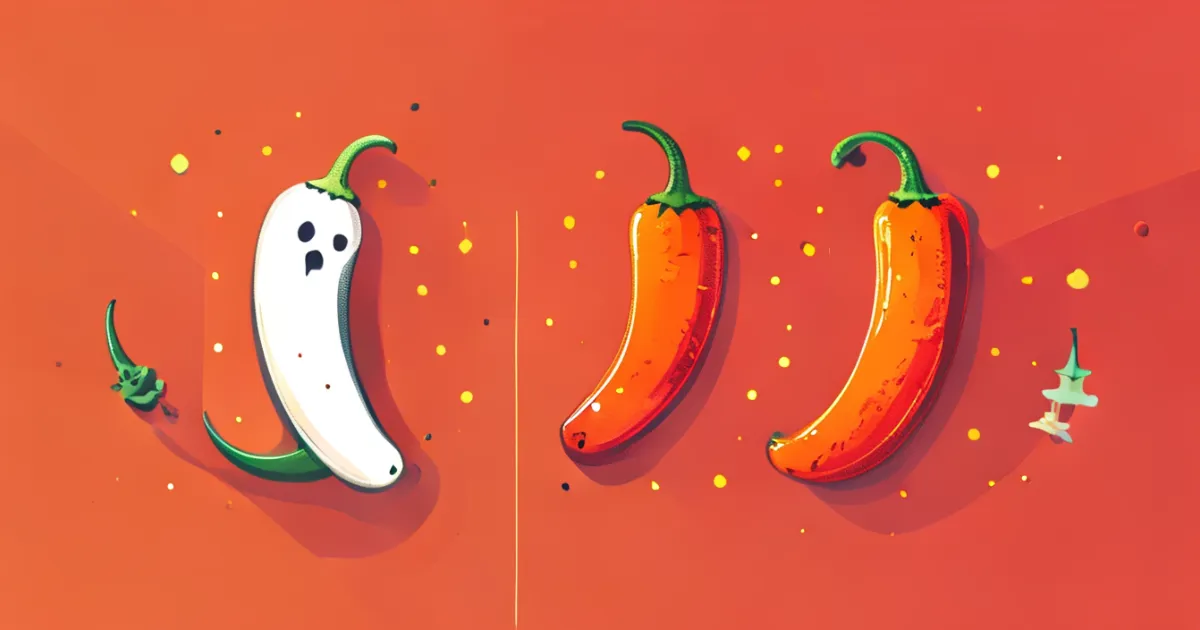
Compare Calabrian chili and ghost pepper side by side. Discover the key differences in heat levels, flavor profiles, culinary uses, and growing requirements to choose the right pepper for your needs.