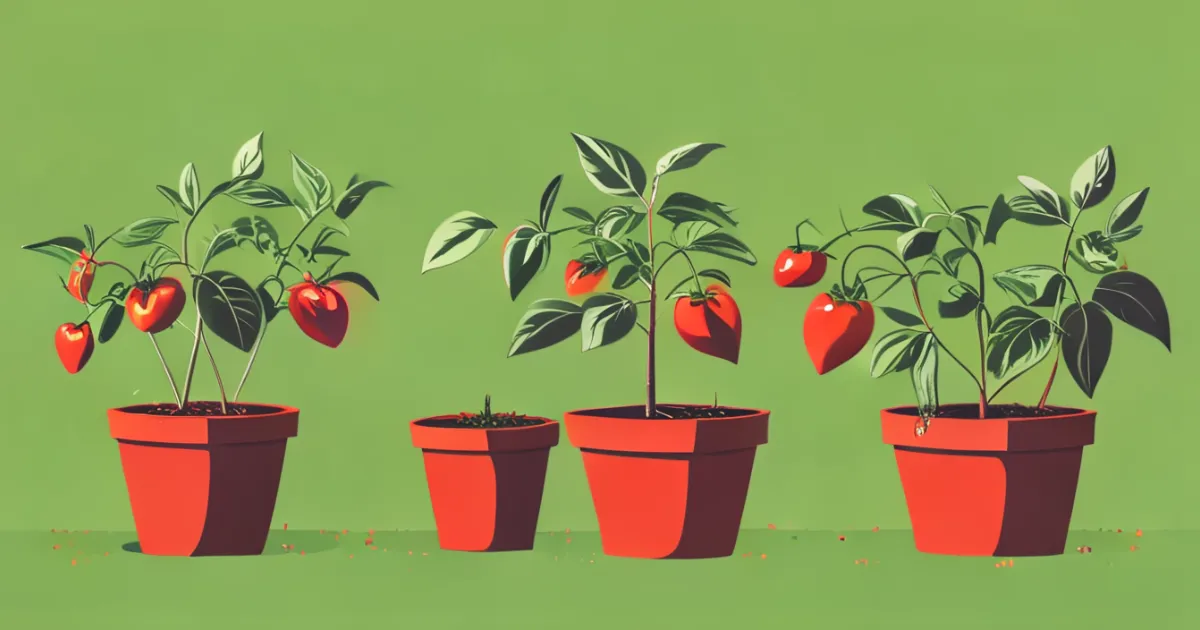
How to Grow Calabrian Chili Plants Successfully
Master growing authentic Calabrian chili plants in your garden or containers. Learn about soil requirements, watering schedules, pest control, and harvesting techniques for a bountiful crop of these flavorful Italian peppers.

Dylan HartWednesday, June 18, 2025
Growing Calabrian Chili Plants: From Seed to Harvest
Cultivating Calabrian chili plants connects gardeners directly to the rich agricultural traditions of Southern Italy, where these fiery peppers have flourished for centuries. While growing authentic Calabrian chilies requires attention to their specific needs, the rewards of harvesting your own peppers make the effort worthwhile. These plants respond enthusiastically to proper care, producing abundant crops of the distinctive red chilies that form the backbone of countless Italian dishes.
Understanding Calabrian chili plant biology helps create optimal growing conditions. These pepper varieties (Capsicum annuum) originated in the Mediterranean climate of Calabria, where they developed specific adaptations to hot, dry summers and mild winters. The plants typically reach 2-3 feet in height, producing clusters of pendant fruits that mature from green to vibrant red over several weeks. Each plant can yield 20-50 chilies depending on growing conditions and care practices.
Starting Seeds Indoors
Success with Calabrian chilies begins with proper seed starting techniques. Begin seeds indoors 8-10 weeks before your last expected frost date, using seed-starting mix that provides excellent drainage while maintaining consistent moisture. Plant seeds ¼ inch deep in small containers or seed trays, keeping them consistently warm (75-85°F) for optimal germination. Consider using a heat mat designed for seed starting to maintain these temperatures consistently.
Germination typically occurs within 7-14 days under proper conditions. Once seedlings emerge, provide 14-16 hours of artificial light daily to prevent leggy growth. Thin seedlings to one per container when they develop their first true leaves, selecting the strongest specimens for continued growth. Gradually acclimate seedlings to lower humidity levels as they develop, preparing them for eventual outdoor transplantation.
Soil Preparation and Garden Placement
Calabrian chili plants thrive in well-draining soil rich in organic matter. Prepare garden beds by incorporating compost and aged manure, creating a loamy texture that retains moisture while preventing waterlogging. Aim for a soil pH between 6.0 and 6.8, which provides optimal nutrient availability for pepper plants. If your soil is heavy clay or extremely sandy, amend it with organic matter to improve structure and drainage.
Location selection significantly impacts plant health and productivity. Choose a garden spot receiving at least 6-8 hours of direct sunlight daily, with protection from strong winds that can damage stems and reduce pollination. Calabrian chilies also benefit from good air circulation to prevent fungal diseases, but avoid planting them in areas with constant strong winds. Consider raised beds if drainage is poor, as pepper plants are susceptible to root rot in waterlogged conditions.
Transplanting and Early Care
When outdoor temperatures consistently remain above 60°F and all danger of frost has passed, transplant your Calabrian chili seedlings into the garden. Space plants 18-24 inches apart in rows 2-3 feet apart, providing adequate room for growth and air circulation. Water transplants immediately after planting to settle soil around roots and reduce transplant shock.
For the first two weeks after transplanting, provide temporary shade during the hottest part of the day to prevent sunscald. Gradually reduce shading as plants acclimate to outdoor conditions. Apply a layer of organic mulch around plants (but not touching stems) to conserve moisture, suppress weeds, and maintain consistent soil temperatures. Avoid nitrogen-heavy fertilizers during early growth, as these promote excessive leaf growth at the expense of fruit production.
Watering and Fertilization Schedule
Consistent moisture management proves crucial for healthy Calabrian chili plants. Water deeply but infrequently, allowing soil to dry slightly between waterings to encourage deep root development. Morning watering allows foliage to dry before evening, reducing disease risk. During peak summer heat, plants may need watering every 2-3 days, while cooler periods require less frequent irrigation.
Fertilization should support the plant's changing needs throughout the growing season. Apply balanced fertilizer when plants begin flowering and again when fruit set begins. Some gardeners use Epsom salt (magnesium sulfate) to promote fruit development, applying 1 tablespoon per gallon of water every few weeks during fruiting. Avoid over-fertilization, especially with nitrogen, as this can reduce pepper production and create overly lush foliage at the expense of fruit.
Pest Management and Disease Prevention
Calabrian chili plants face several common pests and diseases that can impact productivity. Aphids, spider mites, and hornworms frequently target pepper plants, requiring regular monitoring and early intervention. Inspect plants weekly, paying special attention to undersides of leaves where pests often congregate. Remove pests by hand when infestations are minor, or use insecticidal soap for more severe problems.
Preventive measures prove most effective against diseases like bacterial spot and powdery mildew. Ensure proper spacing and air circulation around plants, avoid overhead watering, and practice crop rotation if growing peppers in the same location year after year. Remove and destroy any diseased plant material immediately to prevent spread. Consider using copper fungicides preventively in areas prone to fungal diseases, especially during humid weather periods.
Harvesting Techniques and Timing
Knowing when to harvest Calabrian chilies ensures optimal flavor and continuous production. Most varieties can be harvested when fully red and firm, typically 70-80 days after transplanting. Use scissors or pruning shears to cut peppers from plants, leaving a small portion of stem attached. Harvest regularly to encourage continued fruit production throughout the growing season.
For maximum heat intensity, allow peppers to fully ripen on the plant before harvesting. The concentration of capsaicin (the compound responsible for heat) increases as peppers mature. Some growers prefer harvesting peppers at various stages of maturity to enjoy different flavor profiles and heat levels. Store harvested chilies at room temperature for immediate use, or preserve them through drying, freezing, or pickling for long-term storage.
Container Growing Options
Gardeners with limited space can successfully grow Calabrian chilies in containers. Select pots at least 5 gallons in size with adequate drainage holes to accommodate root systems and prevent waterlogging. Use high-quality potting mix formulated for vegetables, and ensure containers receive at least 6 hours of direct sunlight daily.
Container-grown peppers require more frequent watering than garden-planted specimens, as containers dry out quickly. During hot weather, check soil moisture daily and water when the top inch feels dry. Fertilize container plants every 2-3 weeks with balanced liquid fertilizer to replace nutrients leached through frequent watering. Consider moving containers to sheltered locations during extreme heat or storms to protect plants.
Overwintering and Perennial Care
In warm climates (zones 9-11), Calabrian chili plants can survive as perennials with proper care. As temperatures cool in fall, reduce watering frequency and stop fertilization to prepare plants for dormancy. Before first frost, heavily mulch around plants or move container-grown specimens indoors to a bright, cool location (50-60°F).
Overwintered plants often produce earlier and more abundantly in their second year. Prune plants back by one-third in early spring before new growth begins, removing dead or damaged wood. Resume regular watering and fertilization as temperatures warm, gradually acclimating plants to outdoor conditions. Perennial plants may develop woody stems and increased drought tolerance over time, becoming more resilient to environmental stresses.
The journey of growing Calabrian chili plants offers gardeners a direct connection to Italian culinary traditions while providing fresh, flavorful peppers for home cooking. By understanding these plants' specific needs and providing consistent care throughout the growing season, even novice gardeners can successfully cultivate these distinctive Mediterranean peppers. The satisfaction of harvesting your own Calabrian chilies—grown from seed to fruit under your care—adds an extra dimension of appreciation to every dish they enhance.