
Master the step-by-step process of making homemade bitters. Learn to select botanicals, create infusions, and develop your signature bitters blends.
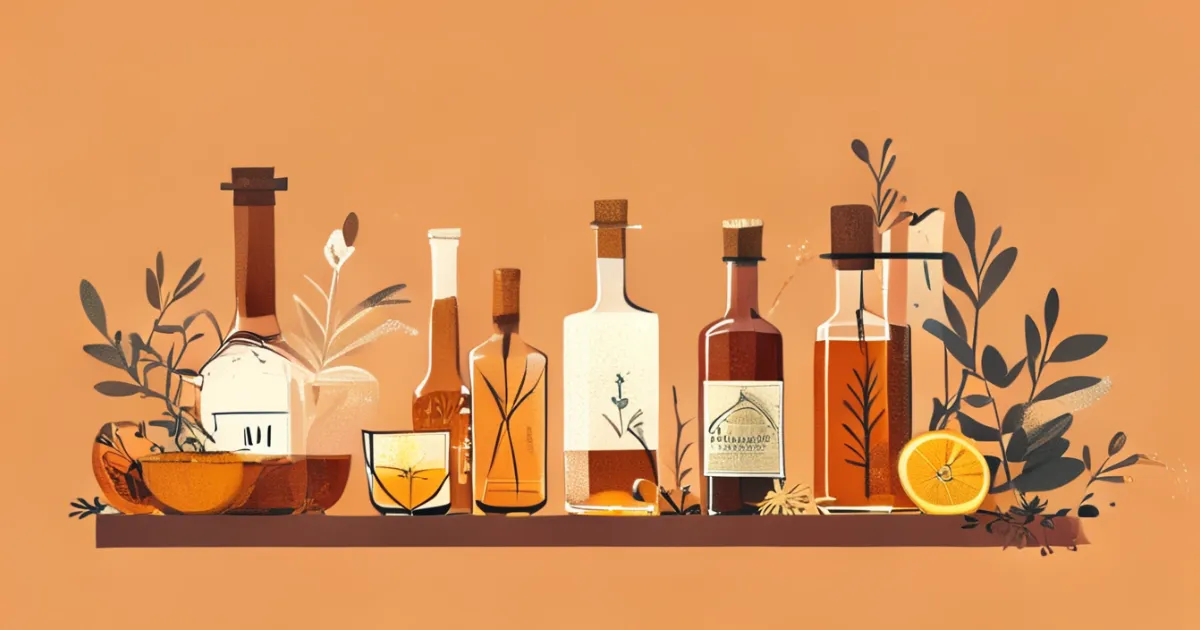
Master the art of making your own bitters at home. Learn techniques, recipes, and tips for creating custom botanical infusions.
Creating homemade bitters transforms your kitchen into a botanical laboratory where you can develop unique flavor profiles tailored to your personal preferences. The art of DIY bitters making combines traditional extraction techniques with creative experimentation, allowing you to craft signature blends that commercial products simply cannot replicate. Learning how to make homemade bitters opens up endless possibilities for both culinary and mixological applications.
Your bitters making journey begins with gathering the right tools and botanical building blocks. High-neutral spirits serve as your extraction base, typically high-proof vodka or Everclear, which efficiently pull flavor compounds from plant materials. Glass jars with tight-fitting lids, amber dropper bottles for storage, and fine-mesh strainers form your basic equipment kit. For botanical ingredients, think beyond the obvious—while gentian, angelica, and orange peel form classic foundations, exploring local herbs, exotic spices, and even vegetables can yield extraordinary results.
The extraction process relies on patience and proper ratios. Most bitters recipes follow a general formula of 1:3 botanical-to-alcohol ratio by weight, but this can be adjusted based on ingredient intensity and desired flavor concentration. Some ingredients, like soft herbs and citrus peels, extract quickly, while woody barks and roots may require weeks or months to fully impart their character.
Successful bitters making requires understanding how different botanical compounds extract at varying rates. Creating small test batches allows you to experiment with ingredient combinations without committing large quantities of expensive botanicals. Keep detailed notes of your experiments—recording ratios, extraction times, and tasting impressions will help you refine your recipes and replicate successful batches.
Temperature plays a crucial role in extraction efficiency. While room temperature extraction works well for most ingredients, gentle warmth can accelerate the process for tough, woody botanicals. However, avoid excessive heat, which can extract undesirable compounds or damage delicate volatile oils that contribute to aromatic complexity.
Beyond cocktail applications, homemade bitters offer surprising versatility in cooking and wellness routines. Discovering unexpected Angostura bitters uses can inspire creative applications for your custom blends, from marinades and sauces to digestive tonics and flavor enhancements for beverages both alcoholic and non-alcoholic.
As you gain experience with bitters making, you'll develop an intuitive understanding of how different botanical characteristics interact. Some makers specialize in specific flavor families—citrus-forward blends, spiced warming bitters, or herbaceous digestive formulas. Others create seasonal varieties that highlight fresh ingredients at their peak. Your approach can be methodical and scientific or intuitive and artistic, as long as you maintain consistent quality control and safety practices.
Remember that quality ingredients yield quality results. Source fresh, organic botanicals when possible, and store them properly to maintain potency. The difference between mediocre and exceptional homemade bitters often comes down to ingredient quality and attention to detail throughout the extraction and finishing process.
Master the step-by-step process of making homemade bitters. Learn to select botanicals, create infusions, and develop your signature bitters blends.
Discover unexpected Angostura bitters uses beyond the bar. Learn creative applications in cooking, baking, and home remedies that showcase this versatile ingredient.