Understanding Berberine: Nature's Metabolic Support Compound
Research-backed benefits for blood sugar, cholesterol, and metabolic wellness

Berberine has emerged as one of the most researched natural compounds for metabolic health support. This bioactive alkaloid, extracted from plants like Berberis aristata, works through multiple mechanisms including AMPK activation, improved insulin sensitivity, and modulation of gut microbiota. Clinical studies demonstrate berberine's effectiveness comparable to conventional medications for blood sugar management, with additional benefits for cholesterol reduction and cardiovascular health. Understanding proper berberine supplementation is essential for maximizing therapeutic benefits while minimizing risks.
Supports healthy blood sugar regulation through AMPK activation
Improves cholesterol and triglyceride levels naturally
Enhances gut microbiome balance and digestive health
Comparable effectiveness to metformin for metabolic support
Research-backed benefits for PCOS and hormonal balance
Multi-targeted approach to cardiovascular wellness
Best Berberine Supplements: Top-Rated Products for Metabolic Health
Evidence-based guide to selecting high-quality berberine supplements that support glucose metabolism and cardiovascular wellness
Choosing the right berberine supplement is crucial for achieving optimal therapeutic benefits. With numerous products available, quality varies significantly between brands. This guide focuses on clinically-proven berberine formulations that meet strict standards for purity, potency, and bioavailability. Each recommended product has been evaluated based on extraction methods, third-party testing, customer satisfaction, and scientific backing. Whether you're managing blood sugar levels, supporting heart health, or seeking natural metabolic support, these top-rated berberine supplements provide reliable options backed by research and positive user experiences.
How to Choose the Right Berberine Supplement
Purity and Source Quality: Look for berberine derived from Berberis aristata or other high-quality plant sources. Third-party testing ensures purity and verifies the absence of contaminants. Reputable manufacturers provide certificates of analysis and use GMP-certified facilities for consistent quality control.
Dosage and Bioavailability: Standard berberine doses range from 500-1500mg daily, divided into 2-3 doses. Some formulations use phytosome technology or enhanced delivery systems to improve absorption. Consider your specific health goals and start with lower doses to assess tolerance.
Formulation Type: Berberine HCL is the most common and well-researched form. Some products combine berberine with other supportive compounds like coconut oil or use vegetarian capsules. Choose based on your dietary preferences and absorption needs.
Brand Reputation and Testing: Established brands with transparent manufacturing practices and positive customer reviews provide more reliability. Look for companies that invest in clinical research and provide clear information about their sourcing and testing protocols.
Key Features to Consider When Selecting Berberine
Extract Potency: High-quality berberine supplements should contain 97-99% pure berberine HCL. Check the label for exact concentration and avoid products with proprietary blends that don't disclose individual ingredient amounts.
Capsule vs. Powder Form: Capsules offer convenience and precise dosing, while powders provide flexibility in dosage adjustment. Consider your lifestyle preferences and ability to maintain consistent supplementation routines.
Additive-Free Formulations: The best berberine products contain minimal fillers, artificial colors, or unnecessary additives. Look for gluten-free, non-GMO, and vegetarian/vegan options if these align with your dietary needs.
Third-Party Verification: Independent testing by ISO-accredited laboratories ensures product safety and verifies label accuracy. This is particularly important for berberine supplements due to varying quality standards in the supplement industry.
NOW Supplements delivers pharmaceutical-grade berberine HCL with proven effectiveness for maintaining healthy glucose and lipid levels. This vegetarian formula supports cardiovascular health and normal insulin sensitivity through premium quality control standards. Each bottle contains 90 capsules manufactured in GMP-certified facilities with comprehensive third-party testing for purity and potency.
Nutricost offers the highest potency berberine available with 1200mg per capsule, making it ideal for those seeking maximum metabolic support. Each bottle contains 60 vegetarian capsules that are gluten-free, non-GMO, and third-party tested by ISO-accredited laboratories. This premium formulation delivers exceptional value with superior bioavailability.
SOLARAY combines traditional berberine wisdom with modern quality standards, offering 500mg of berberine HCL from Indian barberry and Oregon grape root. This vegan, Non-GMO Project Verified supplement provides herbal support with a 60-Day Money-Back Guarantee. Eco-friendly packaging and state-of-the-art lab testing ensure both quality and environmental responsibility.
Nature's Bounty delivers premium berberine with over 50 years of nutritional expertise. Each serving provides 1000mg of plant-based berberine HCL sourced from Berberis aristata, supporting heart health by maintaining healthy cholesterol and triglyceride levels. This vegetarian, non-GMO formula comes from a trusted leader in the supplement industry.
New Chapter offers super-potent berberine with 30x concentration from premium Indian Barberry root extract. This Non-GMO Project Verified, Certified Gluten-Free supplement delivers 1000mg of highly bioavailable berberine for metabolic and heart health support. Each bottle provides a full month's supply of this premium formulation.
Sports Research combines berberine with coconut oil in convenient liquid softgels for enhanced absorption. Each softgel delivers 500mg of high-quality berberine powder in a gluten-free, non-GMO formulation. Founded in 1980, this family-owned company prioritizes quality and third-party testing for optimal metabolic support.
BulkSupplements offers pure berberine HCL powder in bulk quantities for those seeking flexible dosing options. Each serving provides 500mg of high-quality berberine in a convenient powder form that easily mixes into beverages. This gluten-free formulation is produced in cGMP-compliant facilities with rigorous quality control standards.
Vitamatic provides affordable berberine supplementation without compromising on quality. Each bottle contains 60 vegetable capsules delivering 500mg of berberine for metabolic and cardiovascular health support. Made in USA in GMP-compliant facilities, this gluten-free, non-GMO formula offers excellent value for health-conscious consumers.
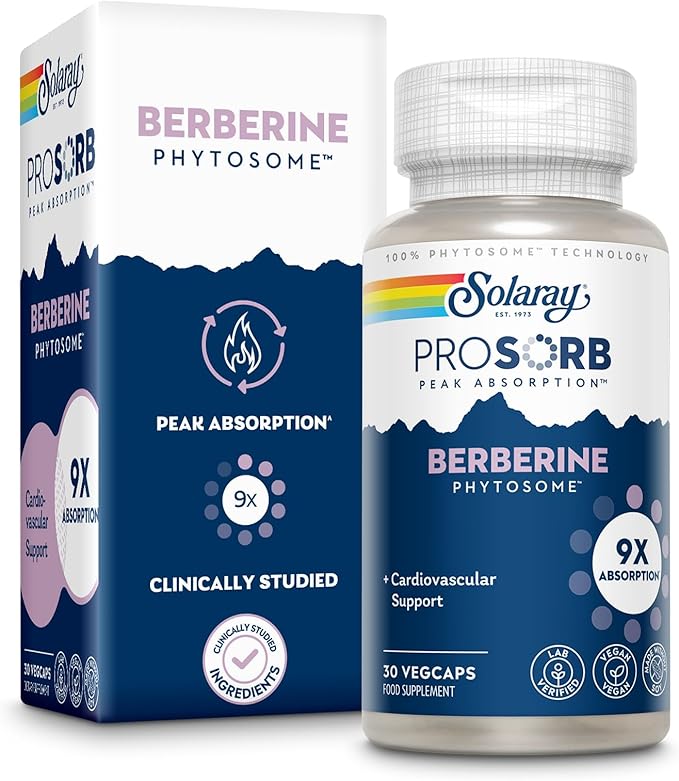
SOLARAY ProSorb Berberine Phytosome features cutting-edge phytosomal delivery technology that optimizes absorption by 9X compared to standard berberine. Each capsule contains 550mg of clinically-studied BerbeVis Berberine Phytosome standardized to 30% berberine HCL, providing superior bioavailability in a gentle, easy-to-digest vegan formula.
When selecting a berberine supplement, prioritize quality over price. The most expensive option isn't always best, but extremely cheap products may compromise on purity or effectiveness. Consider your specific health goals, whether you're targeting blood sugar control, cholesterol management, or general metabolic support. Start with a reputable brand's standard formulation and assess your response before trying enhanced versions. Always consult healthcare providers before beginning berberine supplementation, especially if you're taking medications or have existing health conditions. Remember that berberine works best as part of a comprehensive health approach including diet, exercise, and lifestyle modifications.
Health Topics
Explore evidence-based information about berberine's benefits, clinical applications, and safety guidelines
Understanding how berberine works in the body and its primary health benefits for metabolic wellness, blood sugar regulation, and cardiovascular health.

Research-backed uses of berberine for specific health conditions, including diabetes management, PCOS support, and comparisons with conventional medications.

Health journalist translating medical research into clear, daily practices.
Frequently Asked Questions About Berberine
Common questions about berberine supplementation, safety, and effectiveness answered by our health experts
The typical berberine dosage for blood sugar management ranges from 500-1500mg daily, divided into 2-3 doses taken with meals. Start with 500mg twice daily and gradually increase as needed. Always consult healthcare providers before starting berberine, especially if you're taking diabetes medications, to avoid hypoglycemia. Individual needs may vary based on health status, body weight, and specific health goals.
Clinical studies show berberine can be as effective as metformin for blood sugar control, with similar effects on HbA1c levels. Both medications work through AMPK activation, but berberine offers additional benefits for cholesterol and triglyceride reduction. However, metformin has longer-term safety data and insurance coverage. Some healthcare providers may recommend both, but never combine them without medical supervision due to additive effects and potential hypoglycemia risk.
Common berberine side effects include gastrointestinal discomfort, diarrhea, constipation, and stomach cramps, especially when starting supplementation. To minimize these effects, start with low doses (500mg daily) and gradually increase, take with meals, and consider divided doses throughout day. Some formulations with enhanced absorption may cause fewer digestive issues. If side effects persist, consult your healthcare provider about dosage adjustments or alternative formulations.
Berberine has significant drug interactions that require careful consideration. It can interact with diabetes medications (increasing hypoglycemia risk), blood thinners, antibiotics, and certain cardiovascular drugs. Always consult healthcare providers before combining berberine with prescription medications. Be particularly cautious with metformin, insulin, sulfonylureas, and anticoagulants. Some supplements like cyclosporine and certain herbs may also interact. Space timing between berberine and other medications by at least 2-4 hours to reduce interaction risks.
Berberine benefits typically appear within 4-12 weeks of consistent supplementation, though some people notice improvements in blood sugar levels within 2-4 weeks. Cholesterol and triglyceride improvements may take 8-12 weeks. For best results, maintain consistent daily dosing with meals, follow a healthy diet and exercise routine, and monitor progress through regular lab tests. Individual response times vary based on baseline health status, dosage, and lifestyle factors. Some benefits continue to improve over several months of continued use.
Berberine appears safe for long-term use when taken at appropriate doses, with some studies showing benefits for up to 12 months. However, avoid berberine if pregnant, breastfeeding, or have certain medical conditions including severe liver or kidney disease. Children under 18 should not use berberine without medical supervision. Regular monitoring of liver function and blood sugar levels is recommended for long-term users. Always consult healthcare providers for extended use periods, especially if you have underlying health conditions or take multiple medications.
Take berberine with meals to improve absorption and minimize gastrointestinal side effects. Dividing doses throughout the day (typically 2-3 times) maintains stable blood levels and enhances effectiveness. Some research suggests taking berberine 30 minutes before meals may optimize glucose metabolism benefits. Avoid taking it close to other medications or supplements to prevent interactions, spacing doses at least 2-4 hours apart when possible.
Berberine may support modest weight loss through improved insulin sensitivity, enhanced fat metabolism, and activation of AMPK pathways. Studies show average weight loss of 2-5 kg over 3-6 months when combined with diet and exercise. However, berberine is not a weight loss miracle - it works best as part of a comprehensive lifestyle approach including healthy eating, regular physical activity, and proper sleep habits. Individual results vary significantly based on baseline metabolism and lifestyle factors.
Yes, berberine can interact with various medications including antibiotics (reducing effectiveness), blood pressure medications (potentiating effects), and diabetes drugs (increasing hypoglycemia risk). It may also interact with antidepressants, immunosuppressants, and certain herbal supplements. Always consult healthcare providers about potential interactions before starting berberine, especially if you take multiple medications. Dosage adjustments or timing modifications may be necessary to minimize interaction risks.
Look for berberine HCL with 97-99% purity from reputable manufacturers who provide third-party testing and certificates of analysis. Choose products made in GMP-certified facilities with transparent labeling of exact berberine content. Consider formulation type - standard capsules vs. enhanced absorption versions like phytosomes. Avoid proprietary blends that don't disclose individual ingredient amounts. Check for allergen information if you have sensitivities, and prefer products with minimal fillers, artificial colors, or unnecessary additives.
Research & Guides
Evidence-based information about berberine benefits, safety, and clinical applications. Comprehensive guides for informed health decisions.

Understanding berberine's mechanism of action for blood sugar control, including AMPK activation and clinical research evidence for glucose metabolism support.