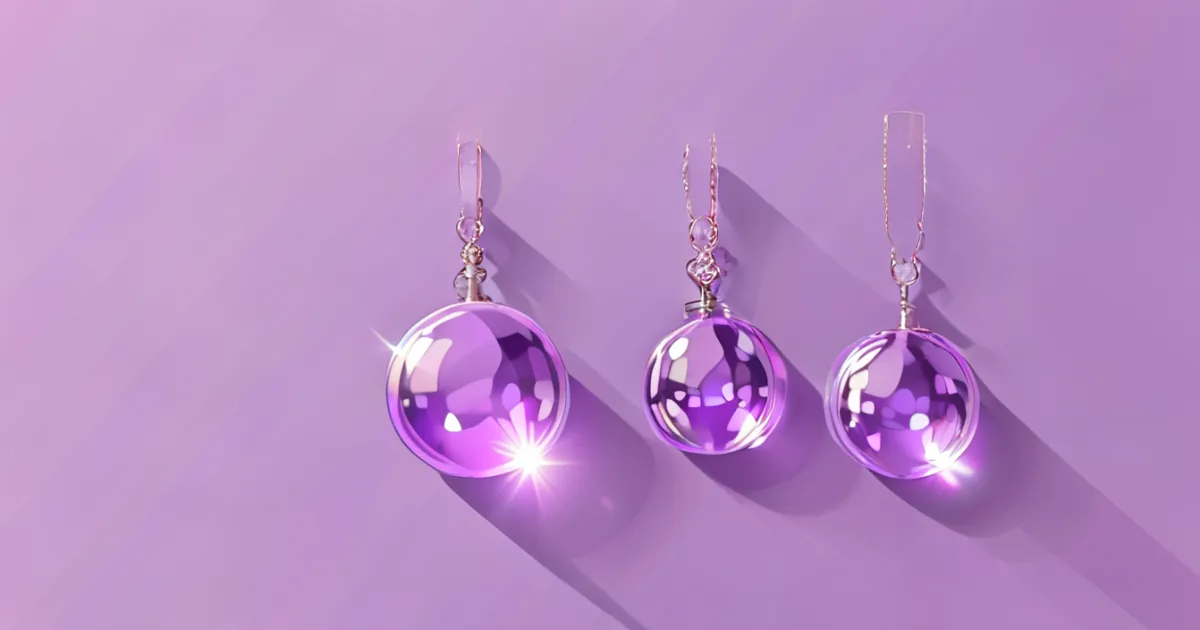
Glass Bead Earrings: Working with Dazzling Materials
Master the art of creating glass bead earrings with various techniques including lampwork, fused glass, and crystal beads. Learn about durability, care, and design principles.

Ivy ChenSunday, December 14, 2025
Working with Glass: Creating Dazzling Beaded Earrings
Glass beads bring unparalleled brilliance and depth to handmade earrings, transforming simple designs into eye-catching jewelry that captures and reflects light. From delicate seed beads to bold focal pieces, glass offers endless creative possibilities for artisans and hobbyists alike. This comprehensive guide will help you master the art of creating stunning glass bead earrings that combine beauty with durability.
Understanding Glass Bead Types and Properties
The world of glass beads encompasses diverse techniques and styles, each offering unique characteristics for your jewelry designs. Seed beads provide versatility and precision, available in sizes from tiny 15/0 to larger 6/0, perfect for intricate patterns and detailed work. Czech glass seed beads offer uniformity and vibrant colors, while Japanese varieties boast exceptional consistency for professional results.
Lampwork beads represent the pinnacle of glass artistry, each piece individually crafted by melting glass rods in a torch flame. These artisan-made beads feature unique patterns, colors, and textures that make every earring truly one-of-a-kind. When working with lampwork beads, pay attention to bead hole placement and annealing quality—well-made lampwork beads withstand daily wear without chipping or breaking.
Crystal beads from manufacturers like Swarovski bring exceptional sparkle through precision-cut facets that maximize light reflection. These premium components elevate any design but require careful handling to prevent chipping. Consider the balance between crystal weight and comfort—larger crystals may need strategic placement or lightweight complementary beads to create wearable earrings.
Pressed glass beads offer consistent shapes and sizes at accessible price points, making them ideal for beginners and production work. Available in countless colors, finishes, and forms including rounds, ovals, leaves, and flowers, these versatile beads provide endless design possibilities without the premium cost of crystal or lampwork varieties.
Essential Techniques for Glass Bead Jewelry
Working with glass beads requires specific techniques that differ from other materials. Proper tension becomes crucial when stringing glass beads—too tight and they may chip against each other, too loose and the design lacks structure. Practice finding the sweet spot where beads sit comfortably without stress but maintain their intended pattern.
Protective finishing prevents glass beads from damaging each other over time. Use appropriate beading wire or thread strength for your bead weight—delicate seed beads may require fine threads, while larger glass components need stronger wire or multiple strands for security. Consider adding nylon-coated wire or clear beading thread for additional protection against friction.
Wire wrapping techniques deserve special attention when working with glass beads. The rigidity of glass requires secure connections that won't stress or crack the beads. Use appropriate gauge wire for your bead size and weight—too thin and it won't provide adequate support, too thick and it may damage delicate bead holes. Practice wrapping techniques that distribute weight evenly and allow for natural movement.
Safety considerations include proper handling of glass beads to prevent injury and damage. Work with a beading mat or tray to prevent beads from rolling off surfaces and breaking. When cutting or manipulating wire near glass beads, protect the beads with your fingers or soft cloth to prevent scratches or chips. Proper storage in divided containers prevents beads from damaging each other during storage.
Design Strategies for Glass Bead Earrings
Successful glass bead earring designs balance visual impact with wearability. Weight distribution plays a critical role—glass beads are heavier than many other materials, so strategic placement ensures comfort during extended wear. Place heavier glass beads closer to the ear wire or balance them with lightweight complementary beads to reduce strain on earlobes.
Color theory becomes particularly important with glass beads, which can appear differently in various lighting conditions. Test your color combinations in natural daylight and indoor lighting to ensure they work across different environments. Consider how transparent, opaque, and iridescent finishes interact with your design palette and how they'll look against different skin tones.
Texture mixing creates visual interest in glass bead earrings. Combine smooth, shiny beads with matte finishes or frosted surfaces to add depth and dimension. Incorporate different glass techniques within a single design—mix lampwork focal beads with complementary seed beads or add crystal accents for sparkle without overwhelming the overall composition.
Proportion and scale considerations help create harmonious designs. Large statement glass beads work best as focal elements with smaller complementary beads, while tiny seed beads excel at creating intricate patterns and adding detail without adding significant weight. Consider your design's relationship to the wearer's face size and style preferences when selecting bead sizes and proportions.
Durability and Care for Long-Lasting Jewelry
Glass bead earrings require proper construction techniques and care to ensure longevity. Connection security prevents bead loss and potential safety issues. Double-check all wire wraps, knots, and crimp beads before finishing each piece. For added security, consider using adhesive specifically designed for jewelry making on critical connections, especially when working with valuable or irreplaceable glass beads.
Cleaning methods depend on your glass bead types and finishes. Most glass beads can be gently cleaned with mild soap and water, but some coatings or surface treatments may require specialized care. Avoid harsh chemicals or abrasive materials that could damage bead surfaces or protective coatings. Test cleaning methods on inconspicuous areas first, especially with vintage or handmade lampwork beads.
Storage solutions protect glass bead earrings from damage and tangling. Individual pouches or divided jewelry boxes prevent beads from scratching against each other. Keep earrings away from direct sunlight, which can fade certain glass colors and coatings over time. Consider silica gel packets in storage areas to prevent moisture damage to metal components and certain glass finishes.
Creative Project Inspiration
Ready to start creating? Simple elegance projects focus on showcasing beautiful glass focal beads with minimal complementary elements. A single exceptional lampwork bead paired with delicate silver findings creates sophisticated everyday earrings. Patterned designs using seed beads allow for intricate colorwork and texture combinations perfect for special occasions.
Seasonal collections can leverage glass bead colors and finishes to create timely designs. Spring collections might feature pastel seed beads and flower-shaped pressed glass, while autumn designs incorporate warm amber tones and leaf motifs. Technique samplers help you master different glass bead working methods—create a series of earrings each focusing on different wire wrapping, stringing, or assembly techniques.
Whether you're creating delicate small beaded earrings for everyday wear or bold beaded statement earrings for special occasions, glass beads offer the versatility and beauty to bring your vision to life. Master these techniques, and you'll create jewelry that captures light and imagination for years to come.