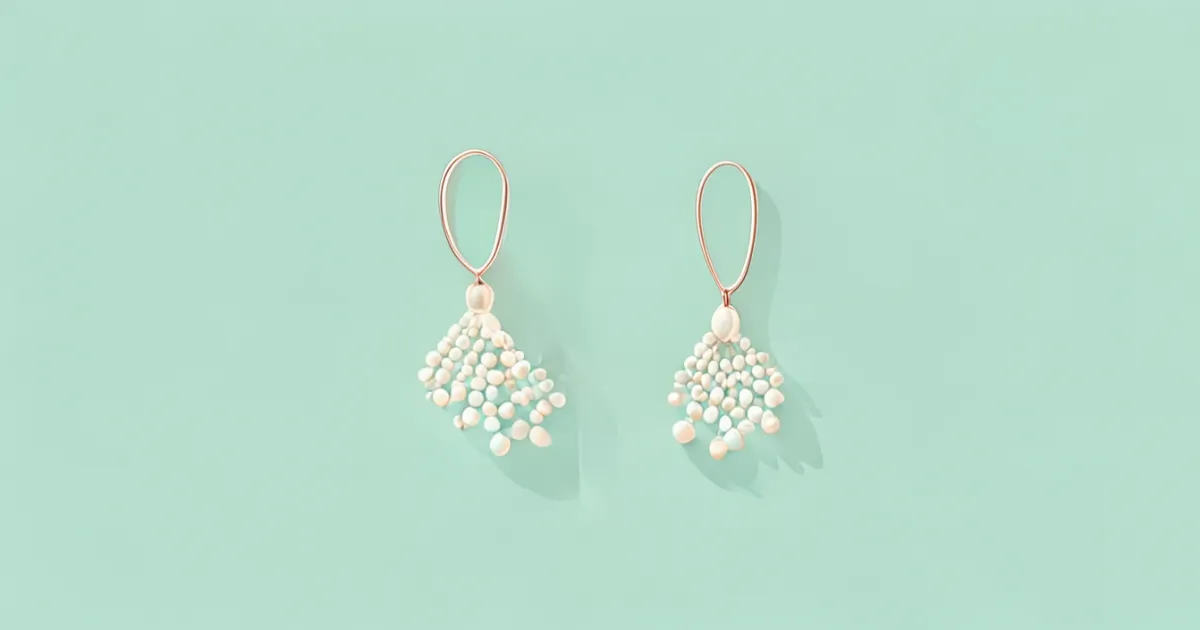
Small Beaded Earrings: Subtle and Sophisticated
Master the art of creating small beaded earrings perfect for everyday wear. Learn techniques for detailed work, comfortable sizing, and designs that make a subtle statement.

Ivy ChenSunday, December 14, 2025
Mastering Small Beaded Earrings: The Art of Subtle Sophistication
Small beaded earrings prove that size isn't everything when it comes to making an impact. These delicate accessories offer the perfect blend of everyday wearability and artistic expression, allowing crafters to create intricate details that draw attention without overwhelming the wearer's features.
The Appeal of Diminutive Designs
There's something charming about small beaded earrings that makes them essential in any jewelry collection. They complement professional attire, enhance casual outfits, and provide comfort for sensitive ears. Their modest size doesn't limit creativity—rather, it challenges artisans to pack maximum detail into minimal space, resulting in pieces that reward closer inspection.
The versatility of small designs cannot be overstated. Unlike larger statement pieces that require special occasions, small earrings transition seamlessly from office to evening wear, from casual weekends to formal events. This adaptability makes them popular choices for everyday jewelry lovers who appreciate accessories that work with their entire wardrobe.
Essential Materials for Delicate Creations
Working with smaller pieces requires attention to material selection. Seed beads (sizes 15° and 11°) become your canvas for intricate patterns and textures. Czech glass beads offer superior quality and consistent sizing compared to mass-produced alternatives, while Japanese seed beads provide precision-cut facets that create subtle sparkle.
For findings, consider using smaller posts and hooks designed for lightweight pieces. Surgical steel or titanium posts prevent irritation during extended wear. When working with tiny components, magnification tools become essential—invest in good lighting and possibly a magnifying lamp to maintain precision throughout the creation process.
Step-by-Step Guide to Creating Small Stud Earrings
Step 1: Prepare Your Workspace Set up your beading tray with small compartments to keep different bead sizes organized. A velvet or felt surface prevents tiny beads from rolling away and makes picking them up easier. Have extra needles and thread ready—working with small elements means more frequent needle changes.
Step 2: Design Your Pattern Start with simple geometric designs like circles, triangles, or squares before attempting more complex patterns. Sketch your design on paper first, noting bead placement and color transitions. Remember that less is often more with small earrings—too many colors can create a chaotic appearance.
Step 3: Create the Foundation Use a sturdy beading foundation like Ultrasuede or Lacy's Stiff Stuff as the base for your design. Cut it slightly larger than your intended final size, then trim down after completing the beadwork. This provides stability while you work on the intricate details.
Step 4: Begin Beading Start from the center of your design and work outward, maintaining consistent tension throughout. For small beaded earrings, use size 12 or 15 beading needles that can pass through tiny seed beads multiple times. Keep your thread taut but not so tight that it warps your foundation.
Step 5: Add Finishing Details Once your main design is complete, add accent beads or crystals for dimension. Consider using size AB (Aurora Borealis) finish beads for subtle sparkle that catches light beautifully. Seal edges with whip stitches to prevent fraying.
Advanced Techniques for Intricate Details
As you gain confidence with basic techniques, explore more sophisticated methods that elevate your small beaded earrings from simple to spectacular. Peyote stitch creates flexible, fabric-like beadwork perfect for curved surfaces, while brick stitch builds structured designs ideal for geometric patterns.
incorporating graduated bead sizes creates visual depth and interest. Start with larger beads at the foundation and gradually decrease size as you build outward. This technique draws the eye inward and creates dimensional effects that make small pieces appear more substantial.
Consider adding tiny crystal or pearl accents strategically placed to catch light without overwhelming the delicate design. These elements should complement rather than dominate the overall composition, maintaining the sophisticated subtlety that characterizes the best small earrings.
Color Strategies for Maximum Impact
Color selection becomes even more crucial when working with small canvases. Limit your palette to 2-3 complementary colors for cohesive designs. Monochromatic schemes using different shades and finishes of the same color create elegant sophistication, while contrasting colors add playful energy to simple shapes.
Consider how colors interact with different skin tones. Warm tones like gold, copper, and warm earth tones complement olive and deeper skin, while cooler silvers, blues, and purples enhance fair complexions. Always test bead combinations against your own skin to ensure they create the desired effect.
Comfort Considerations for All-Day Wear
The best small beaded earrings balance beauty with comfort, ensuring they can be worn from morning meetings through evening engagements. Weight distribution is key—concentrate heavier elements near the ear post rather than at the tips of dangles.
Backings matter too. For stud styles, use secure post backs with clear plastic discs that provide additional stability. For dangles, consider French hooks with rubber stoppers to prevent loss during active wear. Hypoallergenic materials aren't just for sensitive skin—they're also less likely to cause irritation during extended wear.
Building a Collection of Versatile Pieces
Creating a coordinated collection allows mix-and-match versatility that extends your wardrobe options. Develop signature design elements that tie different pieces together while maintaining individual character. This might include consistent color palettes, repeated motifs, or distinctive finishing techniques.
Consider creating pairs for different occasions: subtle studs for professional settings, slightly more elaborate designs for casual wear, and delicate dangles for evening events. Having options ensures you're prepared for any situation without needing to own excessive jewelry.
Troubleshooting Common Challenges
Even experienced beaders encounter issues when working with small pieces. Beads refusing to stay in place? Check your thread tension and consider adding a drop of clear nail polish to secure knots. Designs looking flat? Incorporate different bead finishes—mix matte and glossy surfaces for visual texture.
When working with extremely small components, taking regular breaks prevents eye strain and hand fatigue. Keep a pair of tweezers handy for placing tiny beads precisely, and don't be afraid to step back periodically to view your work from a distance for perspective.
Bottom Line
Creating small beaded earrings offers a rewarding creative outlet that produces practical, wearable art. These delicate pieces demonstrate that sophistication doesn't require size—instead, it comes from thoughtful design, precise execution, and attention to detail.
The skills developed through creating small earrings translate beautifully to larger projects, making them excellent practice pieces for beginners and satisfying challenges for experienced beaders alike. Whether making gifts for friends, building your own collection, or developing a jewelry business, small beaded earrings offer endless possibilities for creative expression in perfectly proportioned packages.