Zero Drop Shoes: What They Are and Why They Matter
Comprehensive explanation of zero drop technology and its importance for natural foot movement. Learn how heel-to-toe differential affects your posture, gait, and overall biomechanics during daily activities and sports.

Ivy ChenTuesday, June 17, 2025
Zero drop technology represents one of the most significant innovations in natural footwear design, yet many people remain uncertain about what this feature means and why it matters. Understanding zero drop shoes helps you make informed decisions about footwear that supports your body's natural alignment and movement patterns. This comprehensive guide explains the technology behind zero drop and its impact on your overall biomechanics.
What Is Zero Drop?
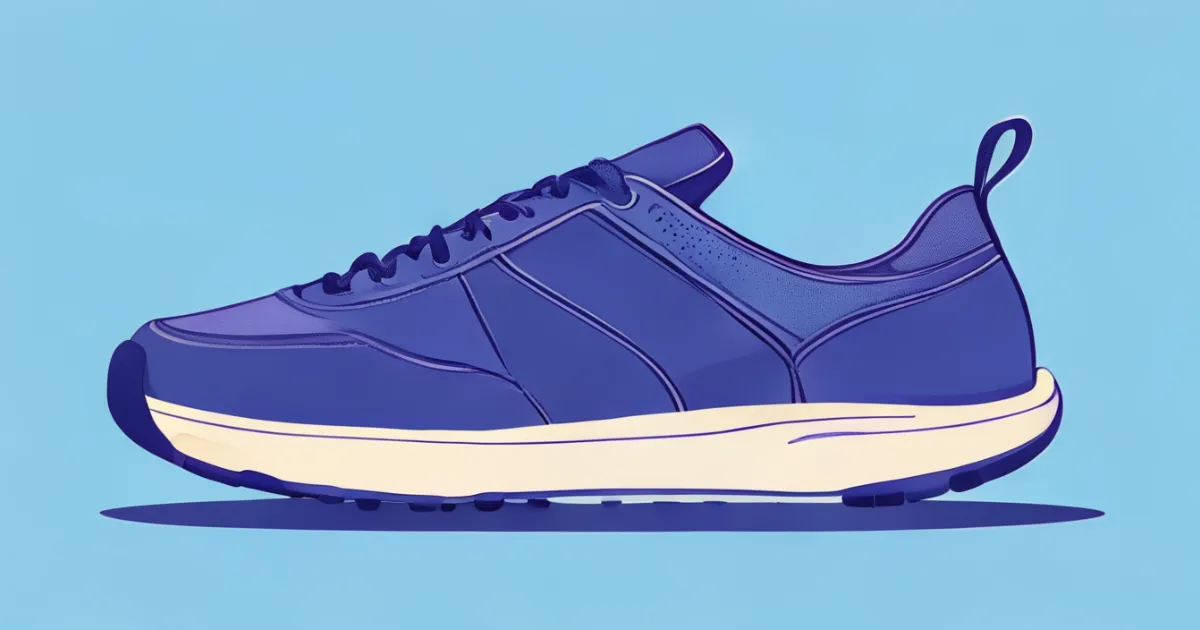
Zero drop refers to the height difference between the heel and toe of a shoe. In zero drop shoes, the heel and toe sit at the same level from the ground, creating a completely flat profile. This design mimics how your feet naturally function when barefoot, maintaining your body's natural alignment from foot to spine.
Traditional shoes typically feature elevated heels with 8-15mm of drop, meaning the heel sits that much higher than the toe. This elevation might seem minimal, but it creates a cascade of postural changes throughout your entire body. Even small amounts of heel elevation can alter how you walk, stand, and move throughout your daily activities.
The concept of zero drop emerged from observations of barefoot populations and research on natural human movement. Anthropologists studying barefoot cultures noted remarkably low rates of foot and posture-related problems, leading researchers to examine how modern footwear design might contribute to common musculoskeletal issues.
The Biomechanical Impact
When you wear shoes with elevated heels, your body must compensate to maintain balance. Your ankles adapt, calves shorten, and your entire posture shifts forward. This compensation might not be noticeable day-to-day, but over years, these small changes accumulate and can contribute to various problems throughout your kinetic chain.
Zero drop shoes restore your natural alignment by eliminating heel elevation. This simple change has far-reaching effects throughout your body. Your ankles maintain their natural position, calves lengthen to their proper state, and your posture aligns more naturally from feet through hips to spine.
The impact extends beyond posture to affect how you walk and run. Elevated heels often promote heel striking—landing on your heel first during walking or running. This creates higher impact forces that travel up your leg with each step. Zero drop encourages a more natural mid-foot or forefoot striking pattern, reducing impact forces and potentially lowering injury risk.
Benefits Beyond Foot Health
The advantages of zero drop shoes extend throughout your entire body, not just your feet. Many users report improvements in knee, hip, and back pain after transitioning to zero drop footwear. These improvements occur because zero drop addresses the root cause of many postural problems rather than merely treating symptoms.
Improved posture naturally emerges when your alignment returns to its natural state. Your spine maintains better positioning, shoulders relax, and your head balances more easily over your body. This postural improvement can reduce neck and shoulder tension that many people experience from poor alignment.
Enhanced athletic performance often follows the adoption of zero drop shoes. Better alignment improves power transfer during running, jumping, and cutting movements. Many athletes discover that zero drop footwear helps them move more efficiently and with reduced injury risk.
Stronger foot and leg muscles develop as your body adapts to the more natural alignment. Zero drop shoes engage underutilized muscles in your feet, ankles, and lower legs, leading to better overall strength and stability.
The Adaptation Process
Transitioning to zero drop shoes requires patience because your body has adapted over years to wearing elevated heels. Your calves, Achilles tendons, and foot muscles need time to lengthen and strengthen for the new alignment demands. Rushing this process can lead to strain or injury.
Week 1-2: Start with short periods of wear (30-60 minutes) during low-impact activities. Focus on standing and walking while your body begins adapting. Pay attention to calf tightness or Achilles discomfort, which are common early adaptation signs.
Week 3-4: Gradually increase wear time as comfort allows. Introduce gentle stretching for your calves and Achilles tendon to support the adaptation process. Many people experience temporary soreness as muscles activate and strengthen.
Week 5-8: Extend wear time for most daily activities. Your body should feel increasingly comfortable in zero drop shoes during this period. Continue progressive adaptation based on your comfort level and activity goals.
Beyond two months, many people can comfortably wear zero drop shoes for most activities. However, some situations may still call for traditional footwear, depending on your specific needs and preferences.
Zero Drop vs. Minimalist vs. Barefoot
While often discussed together, zero drop, minimalist, and barefoot shoes represent different concepts along the natural footwear spectrum.
Zero drop specifically refers only to the heel-to-toe differential. Shoes can be zero drop but still feature significant cushioning, support features, or traditional styling. This makes zero drop technology accessible to people who want the alignment benefits without fully embracing minimalist design principles.
Minimalist shoes typically combine zero drop with other natural movement features like wide toe boxes, flexible soles, and minimal cushioning. They represent a more comprehensive approach to natural footwear.
Barefoot shoes take natural movement to the extreme with maximum ground feel and minimal interference with foot function. They always feature zero drop but emphasize the complete barefoot experience.
Choosing Your Zero Drop Entry Point
The right zero drop shoes depend on your current footwear preferences, activity level, and transition goals. Fortunately, zero drop technology now appears in various shoe types, making it accessible to different needs and preferences.
Everyday zero drop shoes work well for daily wear, office environments, and casual activities. These models often incorporate more cushioning and traditional styling while maintaining the crucial zero drop profile.
Athletic zero drop shoes optimize performance for specific activities. Running zero drop shoes focus on lightweight design and energy return, while training zero drop shoes emphasize stability for strength training activities.
Zero drop boots and sandals extend the benefits to different seasons and activities. These options allow you to maintain natural alignment across various footwear needs and weather conditions.
Common Questions and Concerns
Many people have legitimate questions about zero drop shoes, especially when considering the transition from traditional footwear. Understanding these concerns helps you make informed decisions about whether zero drop technology fits your needs.
Will zero drop shoes work for my foot type? Zero drop shoes can benefit most foot types, but the transition process may differ based on your individual anatomy and current footwear habits. People with high arches, flat feet, or other foot characteristics can all benefit from zero drop, though adaptation timelines vary.
Can I use zero drop shoes for all activities? While zero drop technology works well for many activities, some situations may benefit from traditional footwear. High-impact activities on very hard surfaces, certain workplace requirements, or extreme weather conditions might call for specialized footwear.
Will zero drop shoes resolve my existing pain? Many people experience reduced pain after transitioning to zero drop shoes, especially for posture-related issues. However, zero drop isn't a cure-all solution. Existing injuries or structural problems may require additional interventions beyond footwear changes.
Measuring and Testing Zero Drop
Understanding how to identify zero drop shoes helps you make informed purchasing decisions. While manufacturers typically list heel-to-toe drop specifications, you can also test shoes yourself if you're uncertain.
Visual inspection often reveals heel elevation, especially in athletic shoes. Place shoes on a flat surface and examine them from the side. Zero drop shoes will sit completely level, while traditional shoes will show visible heel height.
Measurement testing provides more precise confirmation. Measure the height from the ground to the inside back of the heel cup and compare it to the height at the ball of the foot area. Identical measurements indicate zero drop.
Professional fitting at specialty running or natural footwear stores can provide expert guidance on zero drop options and proper sizing for your specific needs.
Zero Drop Technology in Practice
The growing popularity of zero drop technology has led to innovation across various shoe categories. This expansion means you can find zero drop options for almost any activity or preference.
Zero drop running shoes have become increasingly mainstream, with major brands incorporating the technology into various models. These shoes help runners achieve more natural form and potentially reduce injury risk.
Zero drop casual and dress shoes now offer natural alignment benefits for professional and formal settings. This expansion makes zero drop technology accessible throughout your daily activities.
Zero drop hiking and outdoor shoes provide natural movement benefits for trail activities. These models typically combine zero drop with rugged construction and appropriate traction for outdoor adventures.
Making Zero Drop Work for You
Success with zero drop shoes depends on understanding your body, listening to feedback during transition, and choosing appropriate models for your activities. The journey to natural alignment through zero drop technology is personal and gradual.
Whether you're comparing barefoot shoes vs regular shoes or exploring different types of minimalist footwear, zero drop technology offers a foundation for natural movement and better alignment.
The key is approaching zero drop as a long-term investment in your body health rather than a quick fix. By understanding the technology, respecting the adaptation process, and choosing appropriate shoes for your needs, you can harness the benefits of zero drop for improved posture, reduced pain, and enhanced movement quality throughout your life.