Last Update:6/17/2025

Barefoot Shoes: Your Complete Guide to Natural Movement Footwear

Discover the benefits of minimalist footwear and find the perfect barefoot shoes for running, hiking, and everyday natural movement.

What Are Barefoot Shoes?

Understanding minimalist footwear and natural movement principles
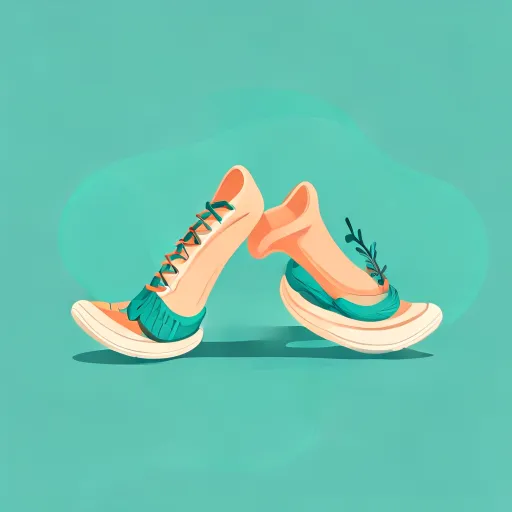
Barefoot Shoes Concept and Natural Movement

Barefoot shoes are minimalist footwear designed to simulate the natural experience of walking barefoot while providing protection from the elements. These shoes feature zero-drop soles, wide toe boxes, and flexible materials that allow your feet to move naturally. Learn more about the science behind barefoot movement and how transitioning can improve your overall foot health and posture.

Learn About Benefits

Best Barefoot Shoes 2025: Complete Buying Guide

Expert reviews and recommendations for minimalist footwear across different activities and budgets
Finding the right barefoot shoes can transform your approach to movement, from daily walking to intense training sessions. Whether you're a runner seeking better form, a hiker wanting more ground connection, or someone looking to improve foot health, this guide features the best barefoot shoes for every activity. Our selections prioritize comfort, durability, and authentic barefoot experience while ensuring your feet stay protected during any activity.

How to Choose the Right Barefoot Shoes

Activity Type: Different activities require different levels of protection and flexibility. Running barefoot shoes need maximum ground feel, while hiking barefoot shoes require more durable soles for trail protection.

Sole Thickness: Zero-drop is essential, but thickness varies. Ultra-thin soles (2-3mm) offer maximum ground feedback, while thicker options (4-6mm) provide more protection without sacrificing the barefoot experience.

Toe Box Width: Look for genuinely wide toe boxes that allow natural toe splay. Your feet should spread naturally without feeling constrained—this is crucial for proper biomechanics and foot strength development.

Material Flexibility: The shoe should bend easily in your hands. Stiff materials prevent natural foot movement and defeat the purpose of barefoot shoes. Prioritize breathable, flexible materials that move with your feet.

Transition Experience: If you're new to barefoot footwear, consider starting with more minimalist options rather than zero-drop shoes. Gradual adaptation prevents injury and allows your feet to strengthen progressively.

Durability vs. Ground Feel: Balance your need for protection with sensory feedback. Daily walking shoes can be more minimalist, while trail and work barefoot shoes should prioritize durability without compromising the core barefoot principles.

Key Technical Features to Understand

Zero-Drop Technology: This refers to no height difference between heel and toe, promoting natural posture and alignment. All quality barefoot shoes feature zero-drop design to encourage proper biomechanics.

Stack Height: The total material between your foot and the ground, ranging from 2-10mm. Lower stack height (2-4mm) provides maximum ground feedback but less protection, ideal for experienced users. Higher stack height (6-10mm) offers more protection while maintaining barefoot principles.

Toe Box Design: The front section of the shoe should be foot-shaped, not pointed. Wide toe boxes allow natural toe splay, improve balance, and prevent common foot problems like bunions and hammertoes.

Outsole Material: Look for durable, flexible rubber compounds with good traction. Some barefoot shoes use specialized materials like graphene-infused rubber for enhanced durability and grip.

Upper Material: Breathable mesh and knit fabrics provide comfort and flexibility. Some options use water-resistant materials for outdoor activities, while others prioritize maximum ventilation for gym use.

Lacing Systems: Traditional laces, elastic systems, or slip-on designs each offer different benefits. Consider ease of entry, adjustability, and how the system affects overall comfort during your specific activities.

Top-Rated Barefoot Shoes

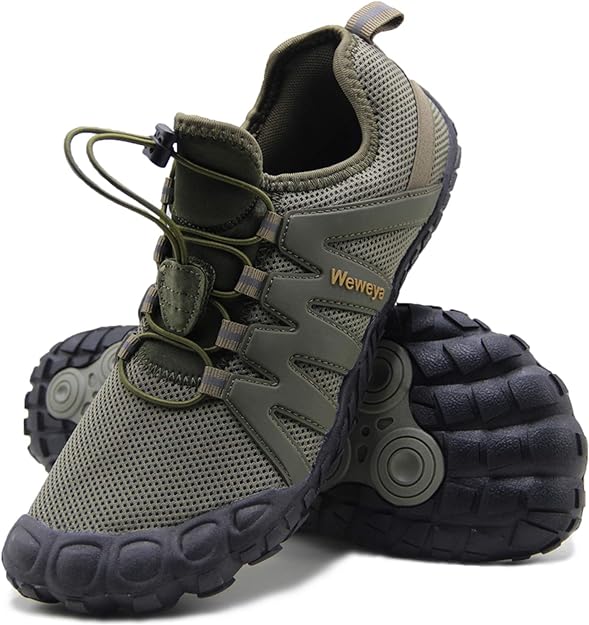
Weweya Minimalist Running Cross Training Shoe

Weweya Minimalist Running Cross Training Shoe

The Weweya Barefoot Shoes deliver authentic minimalist experience with their tongue-less design and wide toe box. The elastic lacing system provides a secure, second-skin fit while the removable arch support insole offers customizable comfort for barefoot enthusiasts transitioning from traditional footwear. Perfect for gym deadlifts, squats, and everyday natural movement.

Pros and Cons
  • proWide toe box allows natural toe spread for better balance
  • proTongue-less slip-on design with elastic lacing for quick entry
  • proRemovable insole provides customizable barefoot experience
  • proVersatile for both indoor training and outdoor casual wear
  • conMinimal cushioning may require adaptation period for new users
  • conSizing runs narrow despite wide toe box design
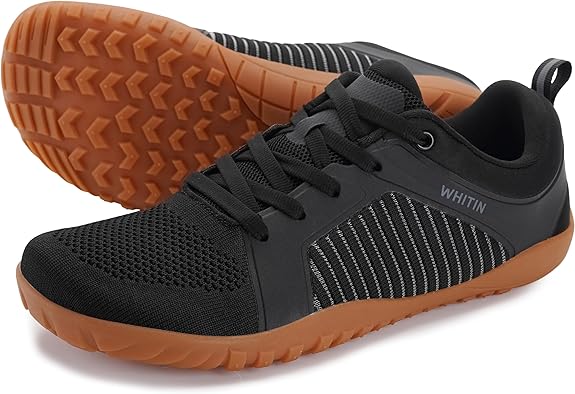
WHITIN Men's Trail-Running Barefoot Shoes

WHITIN Men's Trail-Running Barefoot Shoes

WHITIN Trail-Running shoes combine barefoot principles with trail-ready protection. The wide toe box ensures natural foot movement while the trail-specific mesh with supportive overlays protects from debris. Featuring 3mm lugged rubber soles with reliable grip and additional ankle collar padding, these barefoot shoes excel on technical trails without sacrificing ground feel or natural movement patterns.

Pros and Cons
  • pro3mm trail lug pattern provides excellent grip on varied terrain
  • proTrail-specific mesh with supportive overlays prevents debris entry
  • proWide toe box maintains natural foot positioning on uneven surfaces
  • proEnhanced ankle padding provides security during technical descents
  • conTrail lugs may feel aggressive on smooth pavement
  • conSlightly heavier than pure road barefoot shoes
Pulltop Men's Wide Toe Box Minimalist Shoes

Pulltop Men's Wide Toe Box Minimalist Shoes

Pulltop's Extra Wide Toe Box shoes prioritize natural foot splay with their innovative design. The breathable cotton mesh upper with enhanced knitting provides superior ventilation, while the sweat-absorbing wooden chip insole offers natural arch support. The collapsible heel allows effortless slip-on wear as slippers or regular shoes, making these perfect barefoot shoes for office environments or casual daily wear where comfort and convenience matter most.

Pros and Cons
  • proExtra-wide design accommodates wide feet and natural toe splay
  • proCollapsible heel enables versatile slip-on or regular wear
  • proNatural wooden chip insole provides breathable arch support
  • proElastic lacing system with buckle eliminates traditional tying
  • conLimited trail capability due to street-oriented outsole
  • conMay feel too roomy for narrow-footed users
Flux Adapt Graphene XT Cross Trainers

Flux Adapt Graphene XT Cross Trainers

Flux Adapt represents the pinnacle of barefoot cross-training technology with their graphene-infused rubber outsole delivering extreme durability and superior traction. The wide toe box supports powerful lifts while the ballistic mesh upper provides breathability and abrasion resistance during intense HIIT workouts. Featuring zero-drop design and over 100 flexible cushioning nodes in the AdaptSol insole, these barefoot shoes are engineered for serious athletes seeking performance without compromising natural movement principles.

Pros and Cons
  • proGraphene-infused outsole provides exceptional grip and durability
  • proBallistic mesh upper withstands intense cross-training abuse
  • proAdaptSol insole with 100+ cushioning nodes enhances comfort
  • proZero-drop platform maintains natural biomechanics during lifts
  • conPremium price point may exceed casual barefoot shoe budgets
  • conPerformance-oriented design may feel excessive for daily wear

Making Your Barefoot Shoe Decision

The best barefoot shoes align with your specific activities while respecting the fundamental principles of natural movement. Consider starting your barefoot journey gradually—your feet need time to adapt and strengthen after years of restrictive footwear. Remember that barefoot shoes aren't just about minimal materials; they're about allowing your feet to function as nature intended.

Whether you choose trail-ready protection, gym-focused performance, or everyday comfort, prioritize shoes that maintain zero-drop design and allow natural toe splay. The right pair will enhance your connection to the ground, improve your posture, and strengthen your feet over time. Start with shorter wear periods and gradually increase as your feet adapt, always listening to your body's signals during this transformative journey to natural movement.

Barefoot Topics

Explore our comprehensive guides covering health benefits, product knowledge, and activity-specific barefoot shoe recommendations.

Our Barefoot Shoes Experts

Writers with hands-on experience in natural movement and minimalist footwear

  • Lena Martinez

    Lena Martinez

    Evidence-based wellness editor creating practical guides for busy people starting from overwhelmed.

  • Ivy Chen

    Ivy Chen

    Tutorial editor creating clear, step-by-step guides that make complex skills accessible and time-efficient.

  • Dylan Hart

    Dylan Hart

    Science correspondent making complex discoveries accessible through hands-on demos and field reporting.

Frequently Asked Questions About Barefoot Shoes

Get answers to common questions about transitioning to barefoot footwear