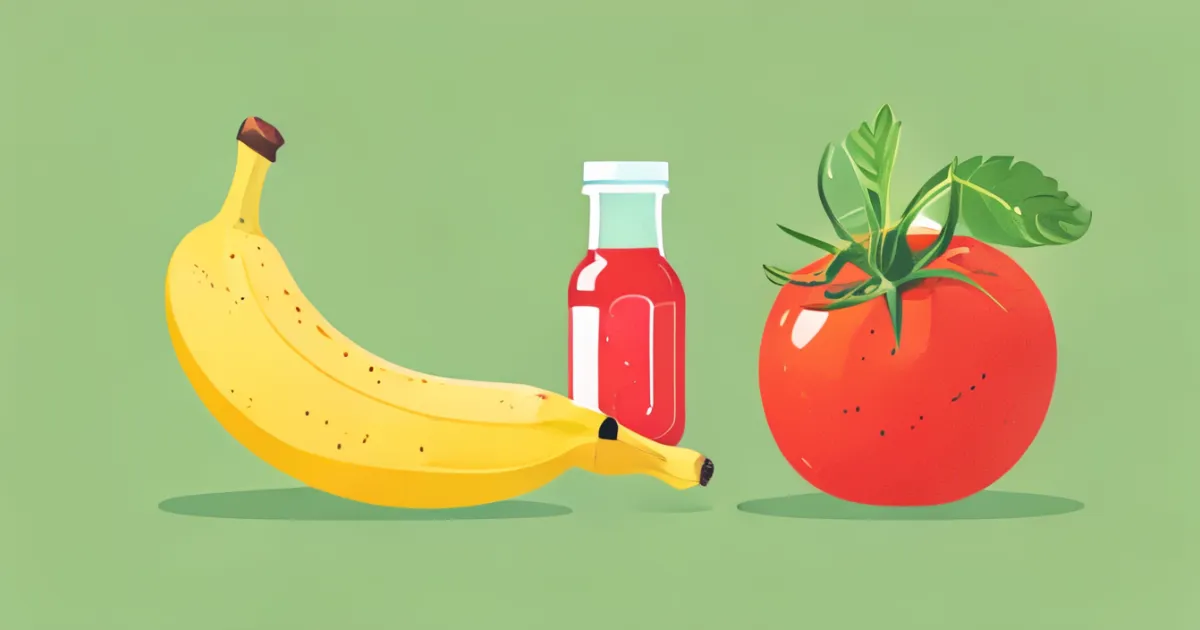
Compare the nutritional profiles of banana and tomato ketchup. Discover which condiment offers better health benefits and fits your dietary needs.

Explore the history and health benefits of banana ketchup in Filipino cuisine
Explore the rich cultural heritage and nutritional insights behind banana ketchup, one of the Philippines' most beloved culinary innovations. From its fascinating wartime origins to its modern-day health benefits, banana ketchup represents more than just a condiment – it's a symbol of Filipino ingenuity and cultural pride.
When comparing banana ketchup vs tomato ketchup nutrition, interesting differences emerge that might surprise health-conscious consumers. Banana ketchup typically contains less sodium than traditional tomato ketchup, making it a potentially better choice for those monitoring their salt intake. The banana base provides natural potassium and fiber, though the added sugar content means both condiments should be enjoyed in moderation.
The nutritional profile of banana ketchup reflects its tropical origins – rich in vitamins from the banana base, including vitamin B6 and vitamin C. However, like most condiments, the sugar content can vary significantly between brands, so reading nutrition labels is essential for those with specific dietary requirements.
For health-conscious consumers, some brands now offer reduced-sugar or no-added-sugar versions that maintain the authentic flavor while providing better nutritional profiles. These alternatives allow you to enjoy the distinctive taste of banana ketchup while aligning with your health goals.
The story of Filipino condiments history is deeply intertwined with the country's cultural evolution and culinary creativity. Banana ketchup's origins date back to World War II, when tomato shortages prompted Filipino food technologist Maria Ylagan Orosa to develop an alternative using locally abundant bananas. This innovation not only solved a practical problem but created a new culinary tradition that would become integral to Filipino cuisine.
The development of banana ketchup represents Filipino resilience and resourcefulness during challenging times. What started as a wartime necessity evolved into a beloved national condiment that Filipinos proudly share with the world. The red coloring was added to make it visually similar to tomato ketchup, helping with consumer acceptance during its introduction.
This historical context adds depth to every dollop of banana ketchup, connecting modern Filipino families to their heritage. The condiment has become so ingrained in Filipino culture that it's now considered essential in households across the Philippines and Filipino communities worldwide.
The versatility of banana ketchup extends far beyond traditional uses, particularly when creating sweet banana dipping sauce recipes that cater to various occasions and taste preferences. These recipes often blend banana ketchup with other ingredients to create complex flavor profiles that complement different dishes.
Sweet banana dipping sauces can range from simple two-ingredient combinations to elaborate recipes incorporating tropical fruits, spices, and even alcoholic beverages for adult gatherings. The natural sweetness of banana ketchup provides an excellent base that can be enhanced with citrus juices, honey, maple syrup, or various spices to create unique dipping experiences.
These sauces work wonderfully with everything from spring rolls and fried chicken to vegetable sticks and seafood appetizers. The key is balancing sweetness with acidity and spice to create a well-rounded dipping sauce that enhances rather than overpowers the main dish.
Banana ketchup has transcended its humble beginnings to become a cultural icon that represents Filipino innovation and adaptability. Its presence in Filipino households spans generations, with family recipes and traditions built around this unique condiment. From childhood memories of banana ketchup with fried eggs to sophisticated culinary applications in modern Filipino restaurants, its cultural significance continues to evolve.
The global recognition of banana ketchup has grown significantly, with international chefs and food enthusiasts discovering its unique properties and incorporating it into fusion cuisines. This cultural export has helped introduce Filipino flavors to new audiences, contributing to the growing appreciation of Filipino culinary traditions worldwide.
Modern adaptations of banana ketchup include artisanal versions, organic options, and innovative flavor combinations that maintain the essence of the original while appealing to contemporary tastes and health preferences. This evolution demonstrates how traditional Filipino foods can adapt and thrive in changing culinary landscapes while maintaining their cultural identity.
Compare the nutritional profiles of banana and tomato ketchup. Discover which condiment offers better health benefits and fits your dietary needs.

Create delicious sweet banana dipping sauces perfect for parties and snacks. Learn variations that complement different foods and dietary preferences.

Explore the fascinating history of Filipino condiments and how banana ketchup became a cultural staple during World War II. Discover its evolution and significance.