Solar Powered Well Pump Systems: Cost, Installation & Performance
Complete guide to solar-powered well pumps, including system costs, installation requirements, performance expectations, and return on investment calculations.

Marco RossiWednesday, June 18, 2025
The Economic Case for Solar Water Pumping
Solar powered well pump systems represent one of the most compelling applications of renewable energy technology. When analyzing the economics, the numbers tell a clear story: while initial installation costs run higher than traditional grid-connected systems, solar water pumping delivers superior lifetime value through eliminated electricity costs and minimal maintenance requirements. The economic proposition becomes even more attractive in remote locations where grid connection costs would be substantial.
The cost-benefit analysis starts with understanding what you're replacing. Traditional well pumps consume significant electricity—typical residential systems use 5-15 kilowatt-hours daily, adding substantial monthly utility bills. Solar systems eliminate these ongoing operational expenses entirely. Over a 20-year system lifespan, electricity savings alone often exceed the entire initial solar installation cost, making the decision purely economic for many users.
Installation location dramatically affects the financial equation. Properties more than a few hundred feet from existing electrical infrastructure face enormous grid connection costs—sometimes running into tens of thousands of dollars. In these scenarios, solar powered well pump systems become not just economically preferable but practically necessary. Even when grid power exists nearby, the long-term savings from free solar energy often justify the investment within 5-10 years.
Technical Architecture: Understanding Solar Pump Systems
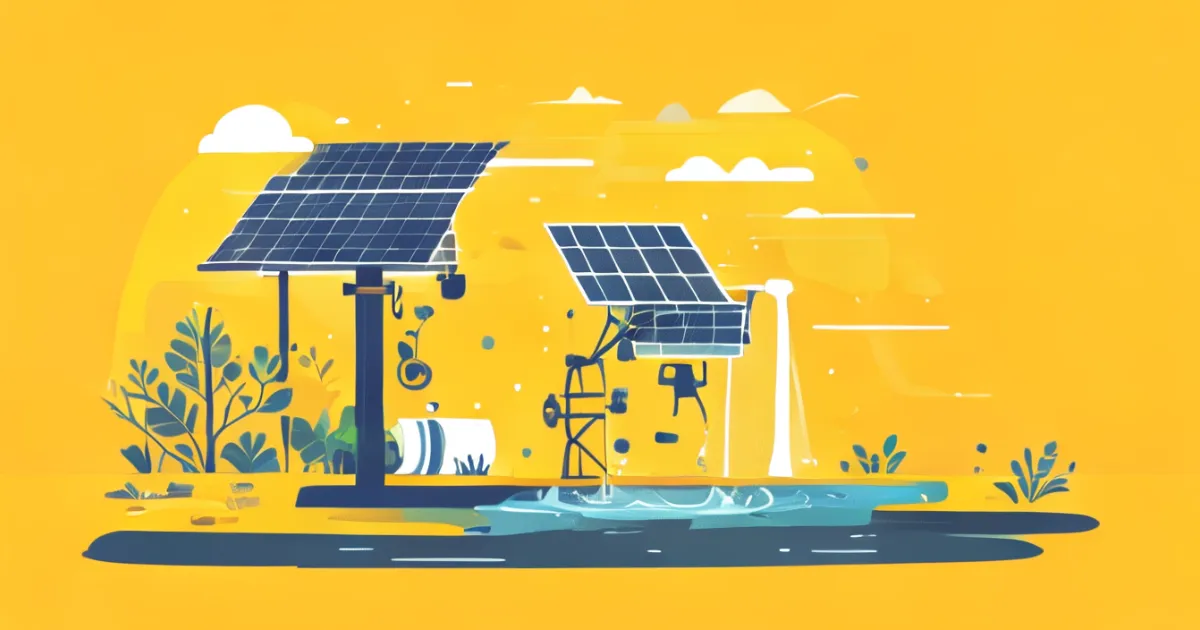
Solar water pumping systems consist of four essential components working in harmony: solar panels, a pump controller, the pump itself, and typically a storage tank. Unlike grid-connected systems that rely on constant power availability, solar systems must manage variable energy production throughout the day. This requirement drives specific design considerations that differentiate solar pumps from their traditional counterparts.
Solar panels convert sunlight into direct current (DC) electricity, with power output varying based on sun angle, cloud cover, and time of day. The pump controller acts as the system's brain, optimizing power delivery to match available solar energy while protecting the pump from electrical fluctuations. Modern controllers employ maximum power point tracking (MPPT) technology to extract maximum efficiency from the solar array regardless of conditions.
The pump itself differs significantly from conventional well pumps. Solar pumps typically feature brushless DC motors designed for variable speed operation, allowing them to adjust output based on available sunlight. This flexibility contrasts sharply with fixed-speed AC pumps in traditional systems. The pump controller manages this variable speed operation, ensuring smooth performance throughout changing solar conditions.
System Sizing and Design Considerations
Proper solar powered well pump system sizing requires balancing three critical factors: daily water requirements, solar availability, and storage capacity. Unlike grid-connected systems that can run continuously, solar systems must produce and store water during daylight hours for 24-hour use. This fundamental difference drives the entire design process.
Start by calculating your daily water needs, including household consumption, irrigation requirements, and livestock watering if applicable. Most residential homes use 50-100 gallons per person daily, plus additional water for outdoor use. Once you have your total daily requirement, design your system to produce at least this amount during average solar conditions. This approach ensures adequate water supply even during less-than-perfect weather.
Solar panel sizing depends on your location's solar insolation—how much sunlight reaches your panels throughout the year. Most regions receive 4-6 peak sun hours daily during summer, dropping to 2-4 hours in winter. Design your solar array to meet water production requirements during your lowest-insolation month to ensure year-round reliability. This conservative approach prevents water shortages during winter or cloudy periods.
Storage tank capacity provides the crucial buffer between solar production and water usage. Most systems store 1-3 days of water supply, ensuring availability during cloudy weather or nighttime use. Larger tanks offer greater resilience but increase construction costs. When evaluating solar powered well pump systems, balance storage capacity against budget constraints while maintaining adequate safety margins.
Installation Types and Applications
Solar well pumping systems serve diverse applications across residential, agricultural, and industrial sectors. Each use case presents unique requirements and considerations that influence system design and component selection. Understanding these variations helps optimize your investment for specific needs.
Residential applications typically prioritize reliability and ease of use. Homeowners need consistent water pressure for household fixtures and appliances, requiring sophisticated control systems and pressurization equipment. Many residential solar powered well pump systems incorporate battery backup for nighttime operation or cloud periods, ensuring continuous water availability regardless of weather conditions.
Agricultural operations often focus on large-volume water delivery for irrigation and livestock. These systems typically feature larger solar arrays and higher-capacity pumps designed for maximum daily water production. Agricultural users often accept intermittent operation—pumping only during sunny hours—to reduce system costs while still meeting water needs. This approach maximizes efficiency by matching water production to crop requirements and livestock schedules.
Remote and off-grid applications represent solar pumping's sweet spot. Locations lacking electrical infrastructure benefit enormously from solar water systems, avoiding massive grid extension costs. These applications include remote cabins, wilderness facilities, and developing-world installations where reliability and minimal maintenance take priority over initial cost concerns. The solar powered well pump systems in these locations often represent the only practical water supply solution.
Performance Variations and Environmental Factors
Solar pump performance varies dramatically based on environmental conditions and seasonal changes. Understanding these variations helps set realistic expectations and design appropriate systems. Unlike grid-connected pumps that deliver consistent performance regardless of weather, solar systems must work within natural limitations.
Seasonal changes affect both solar availability and water requirements. Summer typically offers maximum solar production with peak sun hours reaching 6-8 hours in many regions, while winter may drop to 2-4 hours daily. Water needs often increase during summer due to irrigation demands, creating a natural alignment between energy availability and water requirements. However, household water use remains relatively constant year-round, requiring system sizing based on winter solar conditions.
Weather variations create short-term production fluctuations. Cloudy days can reduce solar output by 50-90% compared to clear conditions, affecting daily water production. Well-designed systems incorporate storage tanks to buffer these variations, typically storing 1-3 days of water supply. This approach ensures adequate water during extended cloudy periods while maintaining reasonable system costs.
Temperature effects influence both solar panel efficiency and pump performance. Solar panels actually operate more efficiently in cooler temperatures, losing about 0.5% efficiency for every degree Celsius above standard test conditions. However, cold weather can increase water viscosity, slightly reducing pump efficiency. Most solar powered well pump systems account for these variations through conservative design margins and robust component selection.
Maintenance Requirements and System Longevity
One of solar water pumping's most compelling advantages involves dramatically reduced maintenance requirements compared to traditional systems. The absence of grid power eliminates many failure points associated with electrical infrastructure, while the simplicity of DC motors reduces mechanical complexity. This reliability advantage significantly impacts lifetime ownership costs.
Solar panels require minimal maintenance—occasional cleaning and physical inspection typically suffice for decades of operation. Quality solar panels carry 25-year performance warranties and often continue operating well beyond that period with minimal efficiency loss. This longevity stands in stark contrast to grid infrastructure that requires ongoing maintenance and periodic replacement of transformers, meters, and distribution lines.
Pump controllers feature solid-state electronics with no moving parts, contributing to exceptional reliability. Modern controllers include comprehensive protection against electrical surges, overloads, and abnormal operating conditions. When evaluating solar powered well pump systems, focus on controller quality and warranty coverage—reputable manufacturers offer 5-10 year warranties on these critical components.
The pump itself represents the primary maintenance item in solar systems. However, solar-specific pumps typically feature brushless DC motors with no wearing parts in the drive system. Quality solar pumps often operate 10-15 years before requiring service, dramatically longer than conventional AC pumps in similar applications. This extended service life stems from reduced electrical stress and optimized operating conditions managed by the solar controller.
Regulatory and Permitting Considerations
Solar well pumping installations typically face fewer regulatory hurdles than grid-connected alternatives, but local requirements still vary significantly. Understanding these regulations early prevents costly compliance issues and project delays. Most jurisdictions treat solar water systems more favorably than traditional electrical installations due to their environmental benefits.
Permit requirements often depend on system size and location. Small residential systems may proceed with minimal oversight, while larger agricultural installations might require electrical permits, well permits, and land use approvals. Local building departments typically focus on structural aspects—panel mounting, well construction, and electrical safety—rather than operational parameters. Working with experienced solar installers familiar with local regulations streamlines this process.
Water rights considerations affect solar pump installations in many regions, particularly western states with complex water allocation systems. Some jurisdictions restrict water pumping during certain hours or seasons to protect aquifer health. Solar systems naturally align with these restrictions by operating primarily during daylight hours, often making compliance easier than with conventional systems that can run continuously.
Utility interconnection rules rarely affect solar well systems because most operate independently of the electrical grid. However, some homeowners choose hybrid systems that supplement solar power with grid electricity during cloudy periods. These configurations require utility approval and specialized equipment to ensure safe parallel operation. Most solar powered well pump systems avoid this complexity by remaining completely off-grid.
Making the Decision: Is Solar Right for You?
The decision to invest in solar water pumping depends on your specific circumstances, location, and priorities. Several key factors help determine whether solar powered well pump systems represent the optimal choice for your water supply needs.
Distance from existing electrical infrastructure represents perhaps the most decisive factor. Properties more than 500-1000 feet from power lines often find solar systems economically superior due to grid connection costs. Even closer properties may benefit from solar when factoring in lifetime electricity savings. Calculate both options comprehensively—solar's higher initial cost versus ongoing electricity expenses—to determine the better long-term value.
Water usage patterns influence system suitability too. Solar systems excel when water demand aligns with daylight hours, such as agricultural irrigation or livestock watering that occurs during daytime. Residential applications requiring continuous 24-hour water availability need additional storage capacity or battery backup, increasing system complexity and cost. Evaluate your specific usage patterns when considering solar pumping.
Financial considerations extend beyond simple payback calculations. Solar systems offer protection against future electricity rate increases, providing valuable budgeting certainty for water supply costs. They also eliminate the risk of power outages affecting water availability—a significant benefit in regions prone to grid instability or natural disasters. These intangible benefits often justify the investment even when economic payback periods extend beyond typical thresholds.
Bottom Line
Solar powered well pump systems offer compelling economic and practical advantages for many applications, particularly remote locations and properties with significant grid connection costs. While initial investment exceeds traditional systems, eliminated electricity costs and minimal maintenance deliver superior lifetime value. Success depends on proper system sizing based on daily water requirements, local solar conditions, and appropriate storage capacity. For properties facing expensive grid extensions or seeking energy independence, solar water pumping represents not just an environmentally responsible choice but often the most economically sound solution as well.