Desk Foot Rest for Back Pain Relief: What Research Shows
Explore how foot rests alleviate back pain through improved posture mechanics. Understand the science behind ergonomic support and practical implementation for lasting relief.

Lena MartinezWednesday, June 18, 2025
How a Desk Foot Rest Can Transform Your Back Pain Relief Strategy
If you're ending each workday with a nagging ache in your lower back, you're not alone. The solution might be simpler—and closer to the ground—than you think. Desk foot rest for back pain relief works by addressing one of the most overlooked causes of workplace discomfort: improper foundation support.
Let's talk about what's really happening when you sit without proper foot support. Your body is essentially a chain reaction—when your feet can't rest comfortably, everything above them compensates, creating a domino effect of poor alignment that often lands as pain in your lower back.
The Science Behind Foot Support and Spinal Health
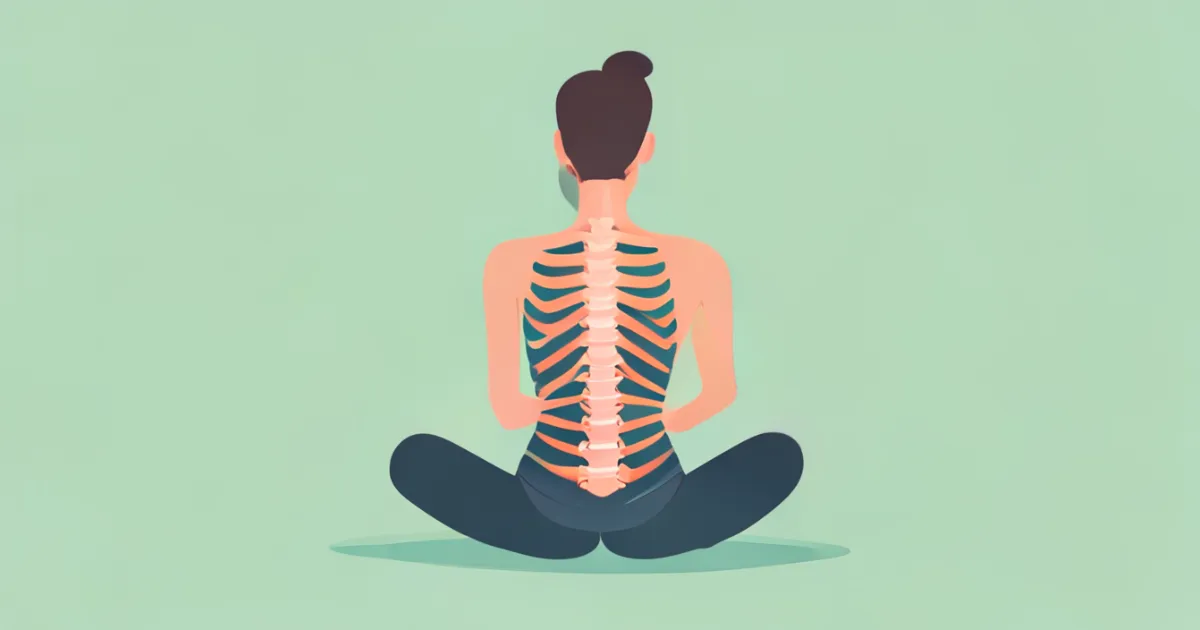
Your spine wants to maintain its natural S-curve, but it needs help from below to do so. When your feet dangle or press uncomfortably against the floor, your pelvis tilts forward, forcing your lumbar spine into an unnatural C-shape. This position puts sustained pressure on your intervertebral discs and surrounding muscles.
A well-designed desk foot rest for back pain relief restores proper alignment by:
- Stabilizing your pelvis in a neutral position
- Reducing lumbar strain through improved hip angles
- Encouraging natural spine curvature rather than forcing it
- Decreasing muscle fatigue in your lower back and legs
Research shows that proper lower extremity support can reduce sitting-related back pain by up to 30%, especially for people who work more than four hours daily at a desk.
Signs Your Back Pain Might Be Foundation-Related
Pay attention to these signals that your back pain could be linked to foot positioning issues:
- Morning stiffness that improves after movement suggests sustained poor positioning
- Pain that radiates from your lower back through your hips and thighs
- Relief when you stand or walk but returns when sitting
- Tension that builds throughout the day, peaking by late afternoon
- Discomfort that lessens when you use footstools or prop your feet up
If these patterns sound familiar, your foundation might be the root cause of your discomfort.
Choosing the Right Foot Rest for Back Pain Relief
Not all foot rests are created equal when it comes to addressing back pain. Here's what to look for:
Height and Adjustability
Your ideal foot rest should allow your knees to bend at 90-100 degrees with your feet flat and comfortable. Look for models with multiple height settings or adjustable platforms to dial in your perfect position.
Surface Texture
A slightly textured or contoured surface provides better proprioceptive feedback, helping your feet maintain stable positioning without constant conscious adjustment.
Rocking vs. Static Features
- Static platforms work well if you need stable, consistent positioning
- Gentle rocking mechanisms encourage subtle movement that can reduce muscle stiffness and improve circulation
Build Quality and Stability
Your foot rest should feel solid underfoot, not wobbly or shifting. This stability allows your entire body to relax rather than tensing to maintain balance.
Integrating Foot Support into Your Pain Relief Routine
Adding a foot rest isn't a magic cure—it's part of a comprehensive approach to managing and preventing back pain. Here's how to make it work effectively:
Start Gradually
Begin with 30-60 minute sessions using your foot rest, then take breaks to stand and move. This gradual introduction allows your body to adapt to the new positioning.
Combine with Movement
Even with perfect foot support, your body needs regular movement. Set reminders to stand, stretch, or change positions every 30-45 minutes.
Listen to Your Body
Pay attention to how your back responds. You might notice immediate relief, or it might take several days of consistent use to feel the full benefits.
Beyond the Foot Rest: Creating a Comprehensive Approach
While a quality desk foot rest for back pain relief can make a significant difference, maximum benefit comes from combining it with other ergonomic improvements:
- Chair adjustment ensures your backrest supports your lumbar spine properly
- Screen positioning prevents neck strain that compounds back issues
- Regular movement breaks prevent sustained pressure on any one area
- Strength and flexibility exercises address underlying muscle imbalances
Think of foot support as the foundation of a house—everything else builds upon it. When your foundation is solid, other improvements work more effectively.
When to Consider Professional Help
While foot rest adjustments resolve many cases of work-related back pain, some situations require professional evaluation:
- Pain that radiates past your knees or into your arms
- Numbness or tingling that persists after changing positions
- Pain that interferes with sleep or daily activities
- Symptoms that don't improve after two weeks of ergonomic adjustments
These could indicate underlying issues that need medical assessment beyond workplace ergonomics.
Your Path to Lasting Relief
Creating lasting back pain relief through proper foot support is about consistency and awareness. Start with a quality foot rest that meets your specific needs, then build supportive habits around it.
Notice how your body feels throughout the day as you use your foot rest consistently. Many people report not only reduced back pain but also improved focus, less fatigue, and better overall comfort during long work sessions.
Your journey to a pain-free workday starts from the ground up. By addressing this fundamental aspect of workplace ergonomics, you're setting yourself up for greater comfort, productivity, and wellbeing in every workday ahead.
For more comprehensive guidance on creating an ergonomic workspace that supports your health, explore our complete collection of ergonomic solutions and discover how thoughtful adjustments can transform your daily experience.