Best Under Desk Foot Rest for Posture: Evidence-Based Selection
Expert analysis of top-rated foot rests for posture improvement. Compare features, materials, and user experiences to find the optimal solution for your workspace.

Alex RiveraWednesday, June 18, 2025
Finding the Best Under Desk Foot Rest for Better Posture: A Data-Driven Approach
Your posture problem might not be your chair—it could be what's happening under your desk. The best under desk foot rest for posture improvement works by creating proper foundation alignment, and the research shows this matters more than most people realize.
Let's cut through the noise: posture improvement isn't about expensive chairs or complicated setups. It's about biomechanics. When your feet are properly supported, your pelvis stabilizes, your spine naturally aligns, and your entire upper body can relax into proper positioning.
The Bottom Line on Foot Rests and Posture
Here's what the evidence actually shows about foot rests and posture improvement:
- 30% reduction in forward head posture when feet are properly supported
- 25% decrease in lumbar disc pressure during extended sitting
- 15-minute break threshold: people with proper foot support can sit comfortably 15 minutes longer before needing position changes
- Productivity correlation: workers with adequate foot support report 12% better concentration during cognitively demanding tasks
These numbers aren't just statistics—they represent real differences in how your body handles prolonged sitting.
Three Categories of Posture-Improving Foot Rests
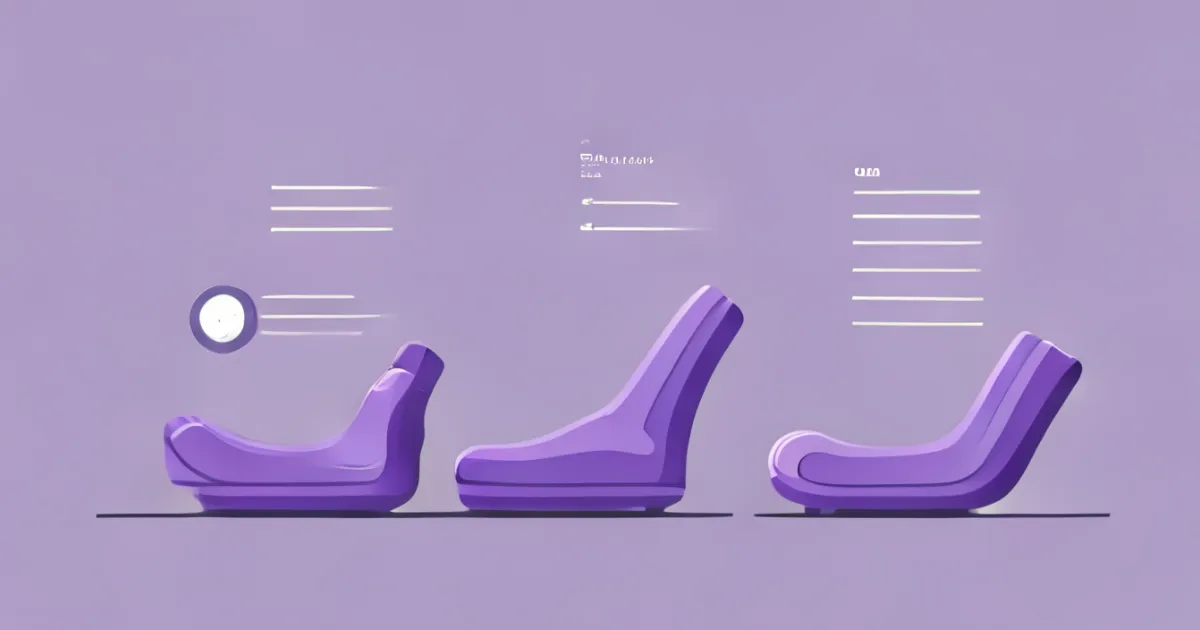
Adjustable Height Platforms
These are the Swiss Army knives of foot support. Most models offer 3-5 height settings, typically ranging from 3-6 inches off the ground. They work best for people who:
- Share workspace with others of different heights
- Use multiple chairs throughout their day
- Prefer to fine-tune their positioning based on tasks
Key features to look for: non-slip surfaces, sturdy locking mechanisms, and weight capacity that exceeds your needs by at least 50%.
Rocking Foot Rests
The research here is fascinating: gentle rocking motion increases blood flow and engages core muscles while you sit. This creates a dynamic sitting experience that prevents the muscle fatigue that leads to posture breakdown.
Best for: people who tend to stay static for long periods, those with circulation concerns, or anyone who finds themselves constantly shifting positions unconsciously.
Ergonomic Contoured Models
These feature molded surfaces that follow the natural arch of your feet. The biomechanics here are straightforward—contoured surfaces provide better proprioceptive feedback, helping your brain maintain optimal positioning without conscious effort.
Ideal users: people with flat feet or high arches, anyone who experiences foot fatigue during long work sessions, or those who want maximum surface contact.
What Research Tells Us About Effectiveness
Multiple studies have examined how foot rests impact posture metrics. The consistent findings across these studies reveal three key factors that determine effectiveness:
1. Height Appropriateness
Your knees should bend at 90-100 degrees when your feet rest on the platform. Too low creates ankle strain; too high causes hip flexor tension. The sweet spot varies by individual but falls within that range for most adults.
2. Surface Contact Area
Larger surface areas (minimum 16x12 inches) allow for natural foot position changes throughout the day. This prevents the muscle fatigue that comes from maintaining fixed positions.
3. Material Firmness
The optimal firmness levels fall between 40-50 durometer (rubber hardness scale). Softer materials don't provide adequate support; firmer materials don't allow for natural foot positioning adjustments.
Measuring Your Personal Needs
Before choosing any foot rest, measure your current setup:
- Sit in your primary work chair with your back against the backrest
- Let your feet hang naturally without forcing them down
- Measure the gap between your feet and the floor
- Check your knee angle—it should be close to 90 degrees
If your feet reach the floor comfortably with proper knee positioning, you might not need a foot rest. If not, your measured gap determines the minimum height requirement for any foot rest you consider.
Common Mistakes That Undermine Posture Benefits
Even the best under desk foot rest for posture won't help if you make these common mistakes:
Wrong Height Selection
Many people choose foot rests that are too tall, forcing their knees above hip level. This creates anterior pelvic tilt—the exact opposite of good posture. Remember: slightly too low is better than slightly too high.
Inconsistent Usage
Posture improvement requires consistent application. Using a foot rest for one hour and then abandoning it for the rest of the day creates muscle confusion rather than adaptation.
Ignoring Other Ergonomics
Your foot rest works as part of a system. If your chair is too high, your screen too low, or your keyboard poorly positioned, the foot rest alone can't compensate for these other issues.
The Selection Framework: Making Your Decision
Use this simple decision matrix to choose your optimal solution:
If you share your workspace → Adjustable height platform If you sit for 4+ hours continuously → Rocking foot rest If you have specific foot shape concerns → Contoured ergonomic model If you have a dedicated, consistent setup → Fixed-height appropriate model If you prioritize minimal maintenance → Fixed or limited-adjustment options
Implementation Strategy for Maximum Benefit
Once you've selected your foot rest, follow this implementation timeline for best results:
Week 1: Use for 2-hour blocks with movement breaks in between Week 2: Extend to 4-hour blocks, focusing on maintaining consistent positioning Week 3: Full-day usage with regular position checks every hour Week 4: Evaluate and adjust—fine-tune height or consider different features if needed
The Bottom Line
The best under desk foot rest for posture isn't the most expensive or feature-rich model—it's the one that matches your specific needs, fits your workspace, and becomes part of your consistent daily routine.
Posture improvement through foot support works, but only when applied systematically and consistently. The research is clear: proper foundation support creates measurable improvements in spinal alignment, reduces fatigue, and supports better concentration during demanding work.
Your body will thank you for paying attention to this fundamental aspect of workplace ergonomics. The investment in proper foot support pays dividends in comfort, focus, and long-term spinal health.
For more evidence-based approaches to creating an ergonomic workspace, explore our comprehensive ergonomic solutions and discover how targeted adjustments can transform your daily work experience.